
Chobe National Park
"I counted eighty-three elephants on one riverbank and stopped counting because the number started to feel meaningless."
The guide cut the boat engine and we drifted. On the Namibian bank, roughly two hundred meters away, a group of elephants was already moving down the slope toward the water. Not a group — a herd. And not one herd, but what appeared to be several herds converging on the same stretch of the Chobe River from different angles, pulling dust up behind them in the late afternoon light. My first instinct was to reach for my camera. My second was to put it down and just look, because no photograph was going to capture the sound — the low rumbling that seemed to come up through the river itself, the splashing, the high thin squeals of calves, the wet crack of one elephant pushing another out of the way.
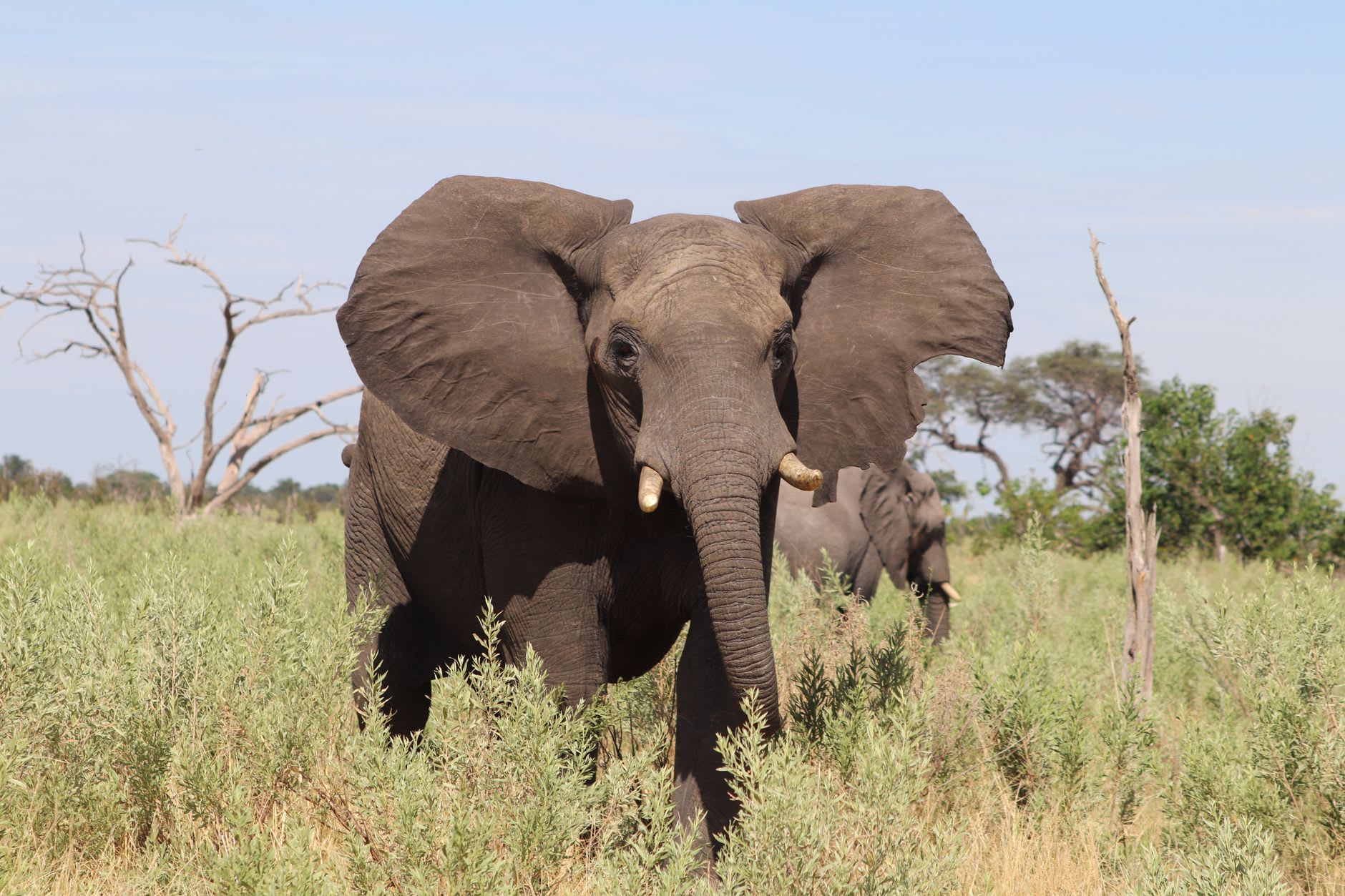
Chobe holds somewhere between one hundred and one hundred twenty thousand elephants — numbers that are contested and probably impossible to verify precisely, but which correspond to something unmistakable when you are actually there. You feel them before you see them. The roads into the park from Kasane are dusty red tracks that cut through dense mopane woodland, and as you drive in you start noticing the trees: trunks stripped, branches broken at heights that only something enormous could reach, entire acres of mopane pushed over and left to dry in the sun. It looks like a storm passed through. It is just the daily appetite of the population that lives here.
The park is divided into distinct ecosystems — the Chobe riverfront, the Savuti marsh, the Linyanti wetlands, and the vast Nogatsaa woodlands — and each one operates on a different rhythm. The riverfront, where the boat safaris run, is the most immediately dramatic, the place you are most likely to find those staggering elephant aggregations. But the Savuti channel, drying up and flooding on timescales too long for any single human observer to witness, has its own compressed drama: lion prides that have adapted to hunting elephant calves, leopards using the old termite mounds as observation platforms, wild dogs in packs moving through at speed.
I spent two nights camping at the public campsite at Ihaha — one of those decisions that felt underprepared going in and completely right in retrospect. The site sits right on the riverbank, and the hippos that spend the day submerged come ashore at night to graze on the short grass between the tents. Their footprints were outside my tent in the morning, close enough that I could measure the gap between my sleeping bag and the nearest print in inches. The rangers at the gate give you a briefing about not leaving food out. They do not mention the hippopotamus part with any particular urgency, which tells you something about how routine it has become.
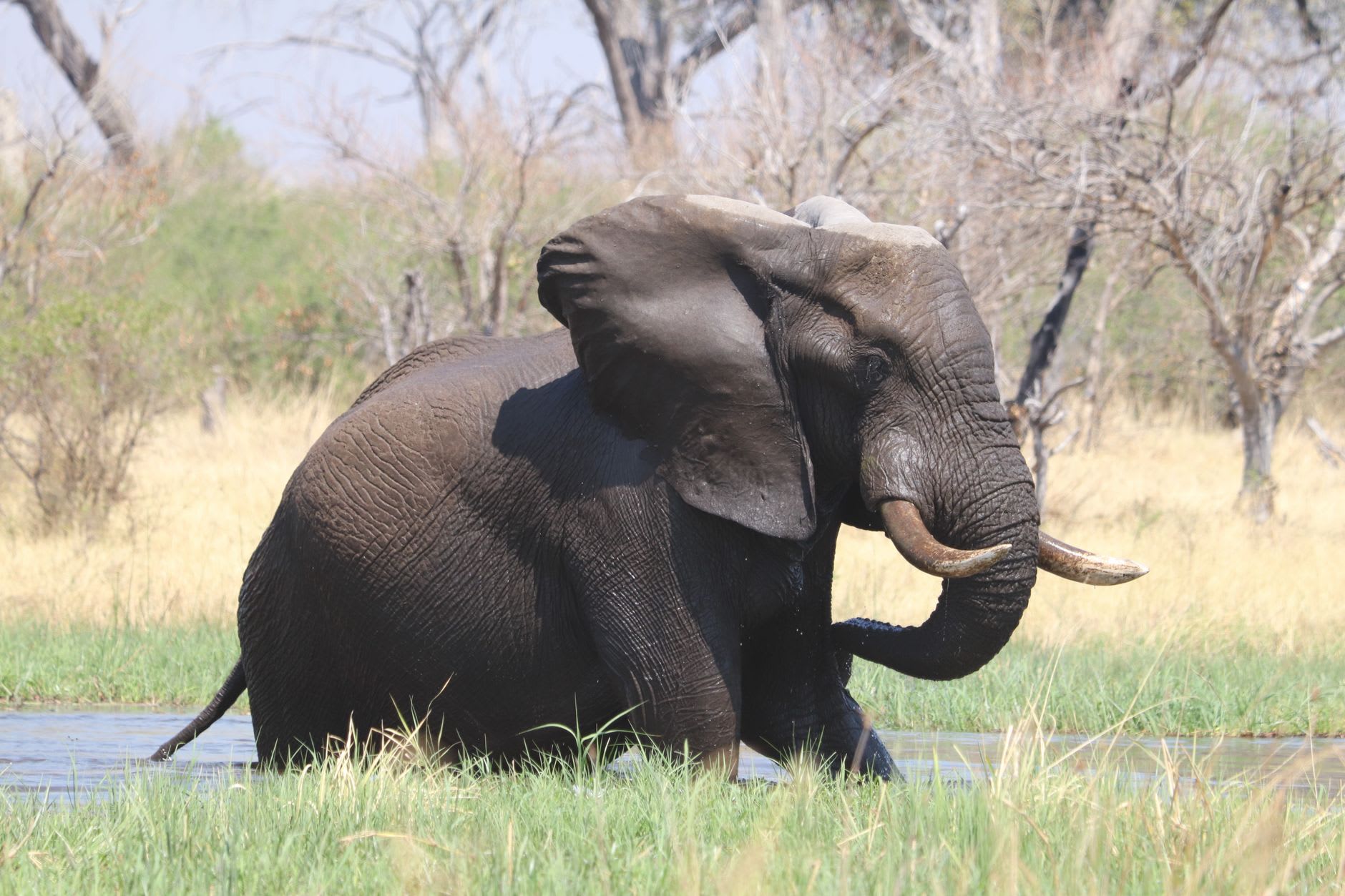
What stays with me is the behavior, not the numbers. On the last evening I watched an old bull with a notched ear stand alone in the shallows for more than an hour, barely moving, occasionally drawing water up into his trunk and letting it run back out. He was not drinking. He was not cooling off. He was doing something that looked, from a boat fifty meters away, like thinking. I have no idea what elephants do in those moments. I just know there was a quality of stillness to it that felt significant, and that I sat with it until the light went entirely.
When to go: May to October for dry season wildlife, when animals concentrate around the river and the vegetation is low enough to see clearly. The elephant aggregations peak in August and September when water sources away from the river dry up entirely. November through April brings rain, green flush, and fewer elephants at the river, but the birdlife — particularly the raptors and waterbirds — is extraordinary.