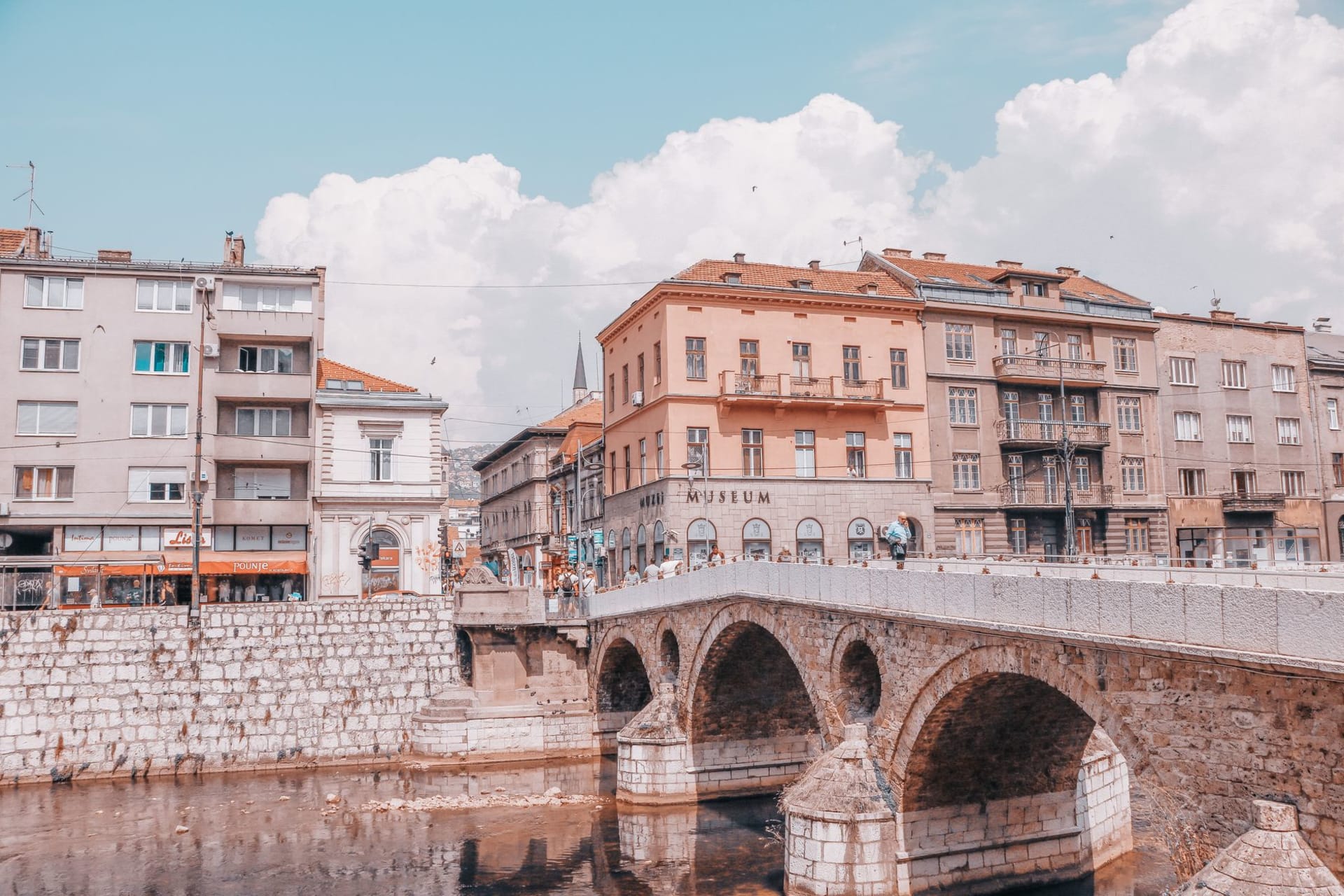
Trebinje
"This is the only place in Bosnia where I forgot I was in Bosnia — and then remembered, and liked both things equally."
The bus from Dubrovnik took forty-five minutes and felt like a portal into a different climate entirely. The Croatian coast gives way to limestone plateau gives way to a descent into the Trebišnjica valley, and suddenly there are figs and pomegranates and oleander, and the light has that particular Mediterranean density that makes everything look slightly overexposed. Trebinje sits in a natural bowl, ringed by white karst hills, with the Trebišnjica river running slow and wide and green through the centre. I arrived in October, which turned out to be the ideal month: the walnut trees along the river were turning gold, the temperature was warm without being punishing, and the outdoor café tables under the plane trees in the old town were still full at seven in the evening.
The old town — the Stari Grad — is a compact Ottoman-era settlement enclosed by walls, small enough to walk across in ten minutes but dense enough to occupy an afternoon. The main square, Trg Svobode, is surrounded by plane trees so old and enormous that they form a canopy overhead, and beneath them the locals play chess and drink wine and watch time pass. The wine is significant: the Trebinje region produces wine from the Žilavka grape, a local white variety grown in the limestone soils of the Popovo Polje plateau, and it has an unusual minerality that I kept trying to identify and eventually stopped trying to identify because it was better to just drink it.

On the hill above the city sits the Hercegovačka Gračanica — a Serbian Orthodox church built in 1998 in conscious imitation of the famous medieval Gračanica monastery in Kosovo. The new church is a deliberate political statement as much as a religious one, and its hilltop position gives it a commanding presence over the city that’s hard to miss. Inside it is ornate and cool and dim, with iconostasis gold catching the light from high windows. Outside, the views take in the entire valley, the river below catching the afternoon sun, the white hills beyond. The city it overlooks has a complicated ethnic geography — Trebinje is the main city of Republika Srpska’s southern region — and the church on the hill is one expression of that complexity.
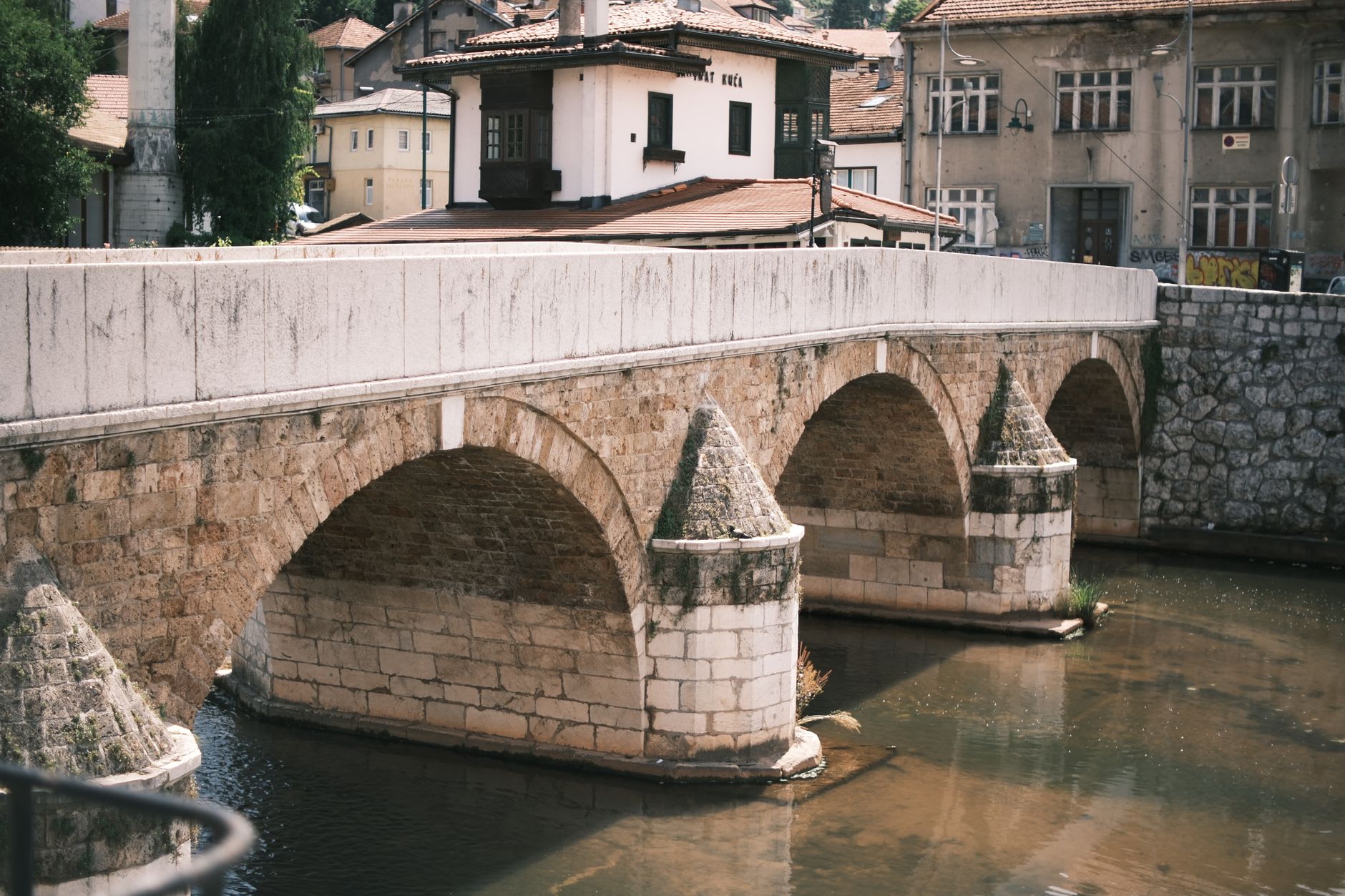
The river itself is the best thing. It’s lined with walking paths and old mills and in the morning you can follow it out of town into the valley, where the banks narrow and the karst cliffs begin to close in and the water turns the colour of old glass. I walked two hours upstream and met no one except a man fishing from a concrete platform with absolute concentration, a flask of coffee beside him and no apparent intention of leaving before dark.
The food in Trebinje leans Mediterranean more than Bosnian — grilled fish from the Adriatic appears on menus alongside the ubiquitous lamb and cevapi, and the olive oil is local. The restaurants around the square stay open late, and in warm months the entire social life of the town seems to happen outdoors, which feels unusual in a Balkan country that is otherwise emphatically interior.
When to go: September and October for perfect temperatures, golden light, and the walnut harvest. April and May for spring green against white limestone. The height of summer — July and August — is warm but not brutal, and the town fills somewhat with Dubrovnik overflow, which prices things up slightly.