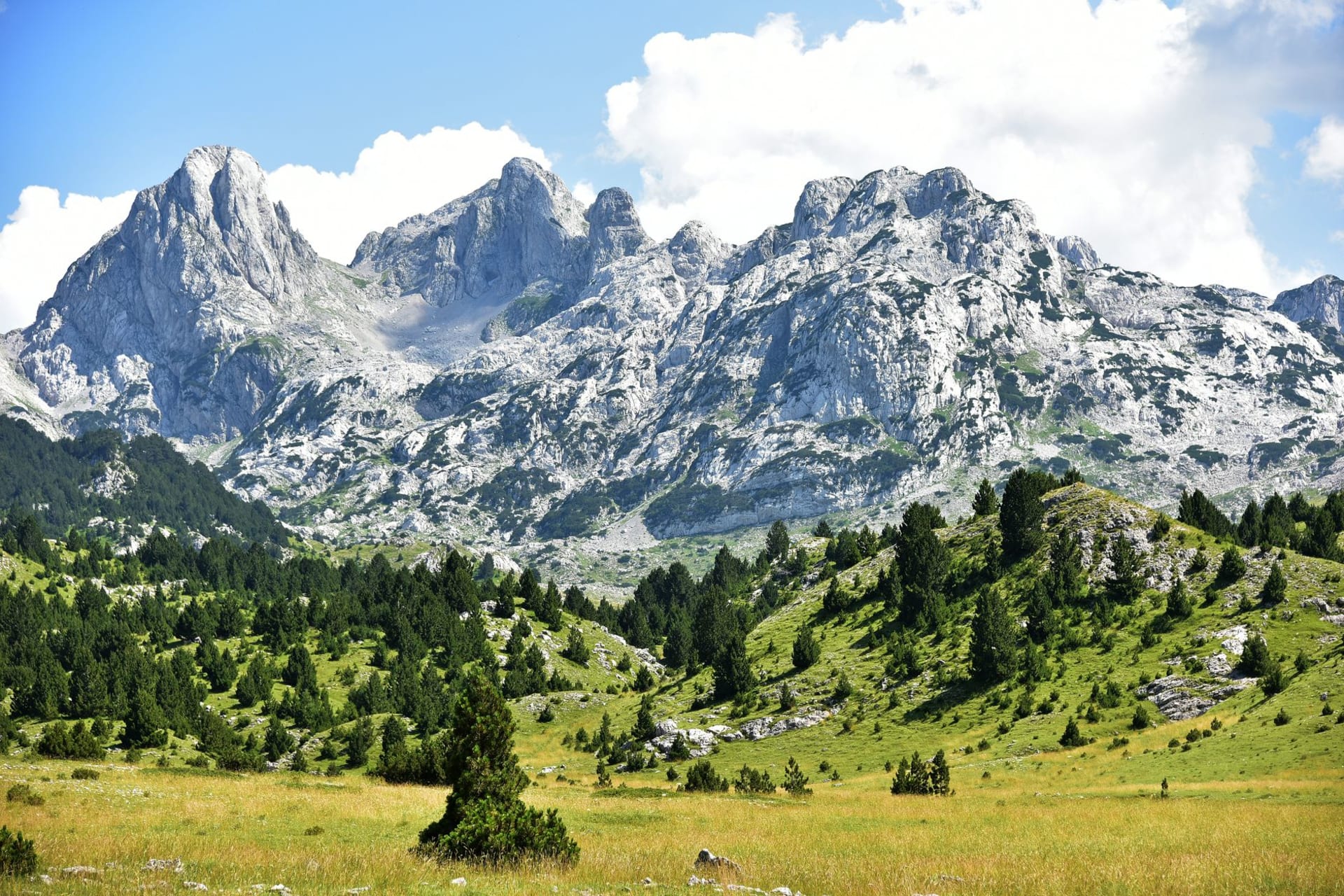
Sutjeska National Park
"Perucica made me feel, for the first time in years, genuinely small — not metaphorically, just physically, measurably small."
The road into Sutjeska National Park follows the Sutjeska river as it cuts its canyon through limestone, and the canyon walls close in gradually until the sky above is a pale slit and the road runs in permanent shadow. I drove in from Foča in early June, which meant the river was running high and loud, the colour of uncut jade, and the beech forest on the slopes above was the pure, saturated green of very early summer. There was almost no one else on the road. There was almost no one in the park at all, which for a natural area of this quality — UNESCO World Heritage, one of only two primary forest zones remaining in Europe — felt like either an embarrassment or a gift. Both, probably.
The park’s centrepiece is Perucica, a primeval forest reserve of just over thirteen hundred hectares that has never been logged or significantly disturbed. Entry requires a guide and advance registration, and there are only a handful of trails. I went with a local guide named Miroslav who spoke slowly and precisely and had the manner of someone who genuinely believes the forest requires a certain quality of attention. He was right. Inside Perucica, within twenty minutes of the trailhead, you are under trees whose trunks require three people to encircle — hornbeams and silver firs and Norway spruce that have been growing for five hundred years, their canopies so thick that the forest floor is in a permanent green twilight. Dead trees are left where they fall, which means you walk over and under centuries of decay, the wood soft as cheese and colonized by ferns and moss. The smell is damp and complicated and alive.
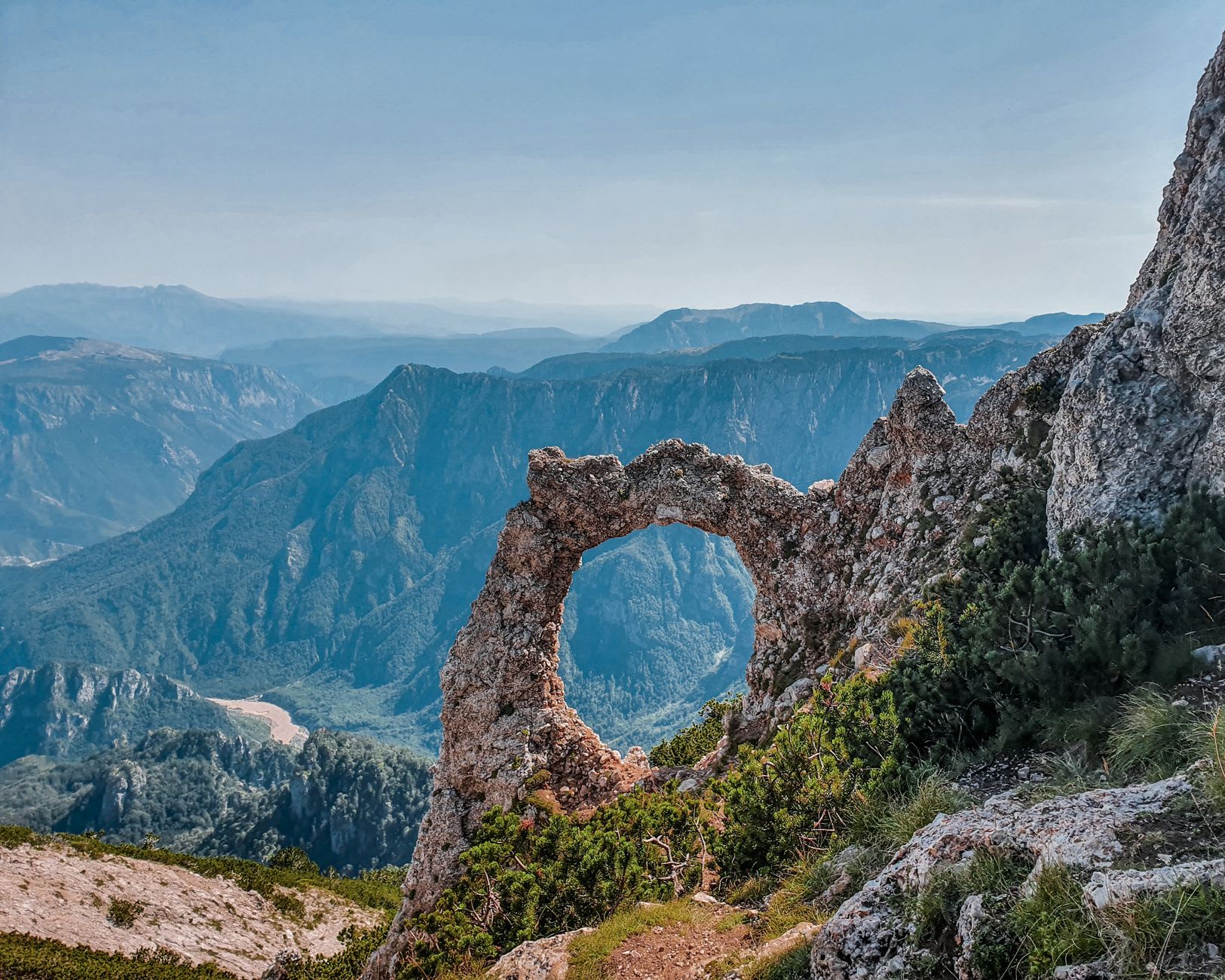
The Skakavac waterfall, reachable from the Perucica trails, falls seventy-five metres into a bowl of mist and rock. The pool at the base is so aerated from the fall that it has almost no buoyancy — I was warned not to swim in it. I sat on a rock nearby and ate the lunch Miroslav had suggested I pack — bread, hard cheese, an apple, which felt proportionate to the setting — and watched the water and felt no particular desire to leave.
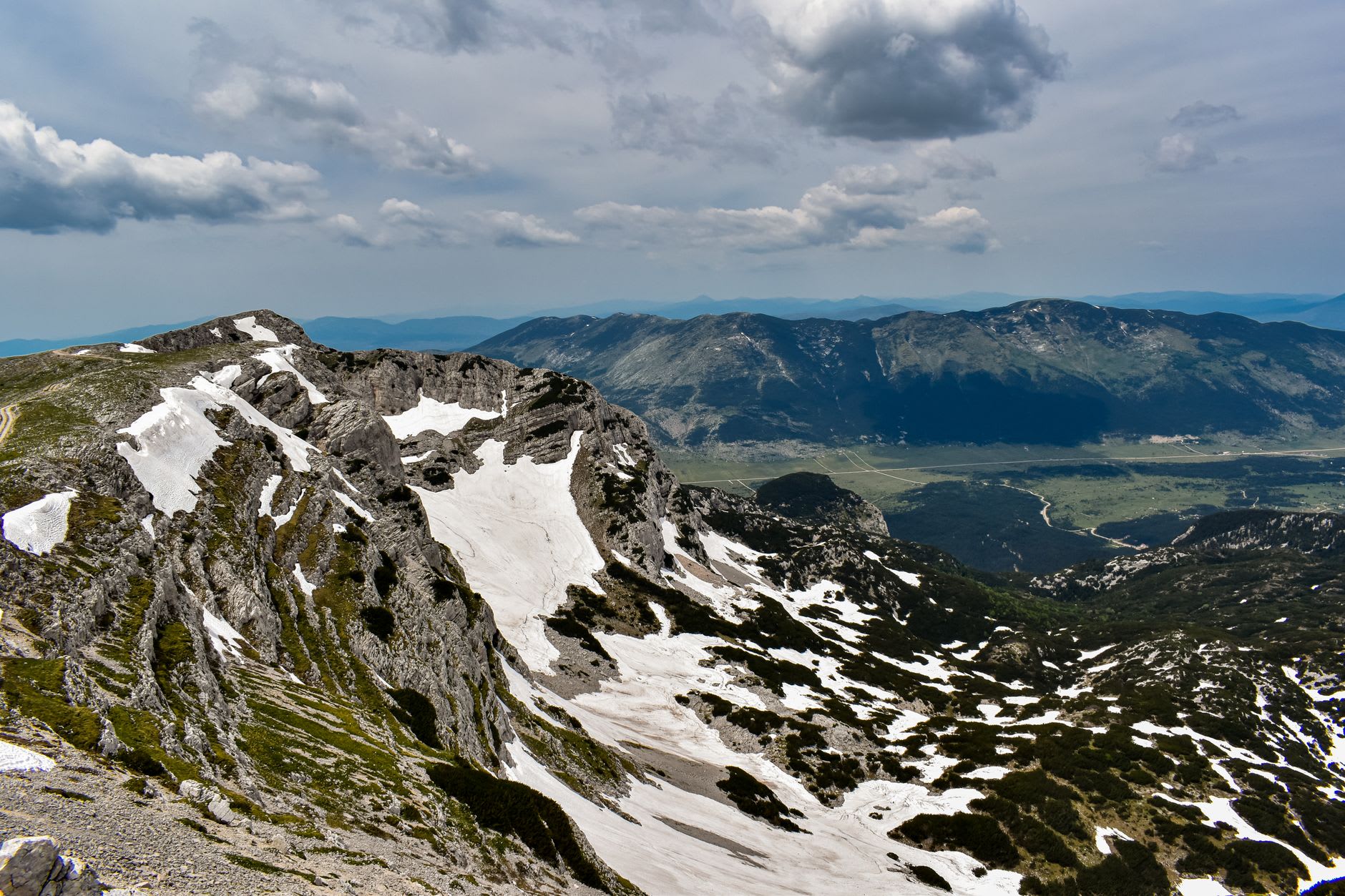
The highest peak in Bosnia, Maglić, rises to 2386 metres on the park’s southern edge, on the border with Montenegro. It’s a full day’s hike from the valley floor, and I didn’t make it to the summit because I started too late and turned around at a saddle when the clouds came in. The views to that point — across the Sutjeska canyon, across Perucica’s canopy, toward the Montenegrin peaks — were sufficient. I plan to return.
The park’s infrastructure is minimal and somewhat Soviet in character — the main hotel at Tjentište is a concrete structure from the Yugoslav era, functional rather than comfortable, with a large memorial nearby to the Battle of the Sutjeska in 1943, when Tito’s partisans broke a German encirclement. The combination of primeval forest and partisan history and Yugoslav concrete gives the place a layered quality that I found oddly moving.
When to go: June and September are ideal — the rivers are high in June, the summer crowds thin in September, and the light is better than July’s harsh overhead sun. Avoid winter unless you have full mountaineering equipment. Snow closes many trails from November through April.