Stolac
"Mostar taught me to look up at bridges. Stolac taught me to look down, at everything still buried beneath my feet."
A stone-built valley town near Mostar where 15,000 years of settlement, three faiths, and the Bregava River meet in near silence.
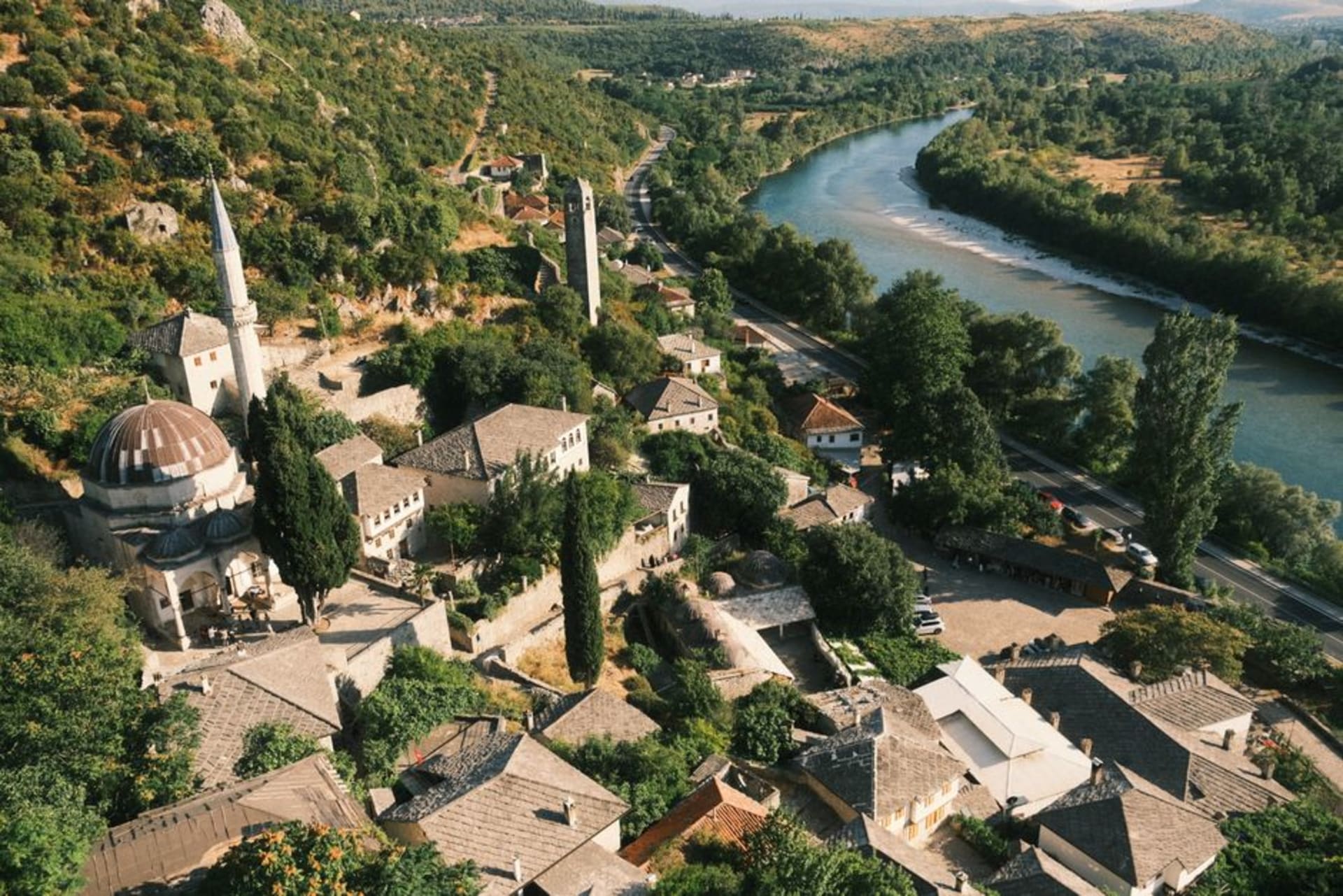
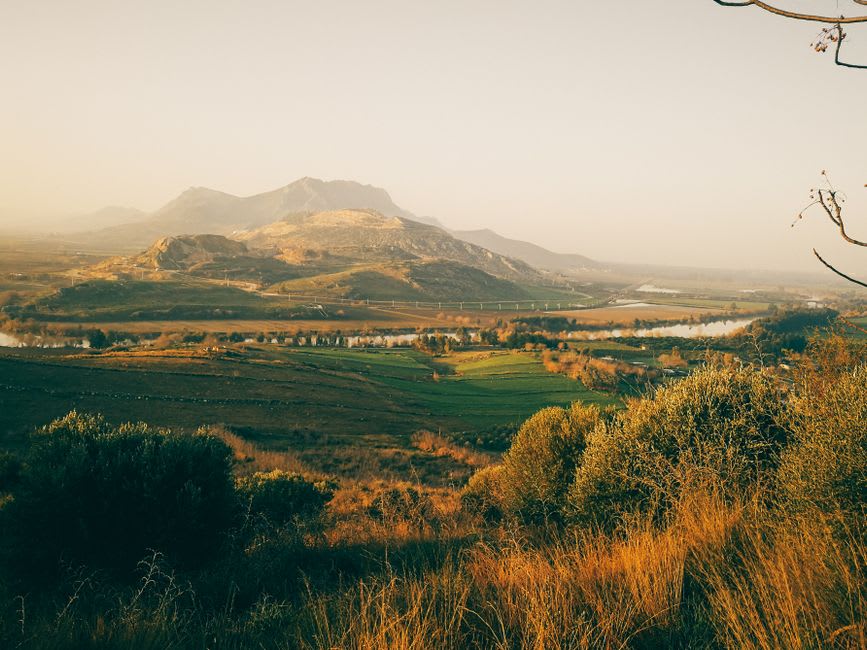
We almost skipped Stolac. Lia found it on a map while we were finishing our coffee in Mostar, thirty-some kilometers north, and I remember saying something dismissive like “it’s probably just a smaller version of where we already are.” I was wrong within about ten minutes of parking the car. The Bregava River runs clear and fast through the middle of town, and the old stone core rises on either bank in a way that felt older and quieter than Mostar’s postcard version of Bosnia — because it is older. People have been living in this valley for roughly 15,000 years, which is not a number I know how to hold in my head, and yet you feel it walking the narrow lanes, where houses lean into each other like they’ve been having the same conversation for centuries.
We climbed up to Stolac Fortress, Vidoški Grad, in the late afternoon when the light goes gold over the Bregava, and I sat on a low wall eating a burek Lia had bought from a bakery near the mosque, watching the river cut through the valley below. From up there the whole logic of the town makes sense — water, defensible high ground, fertile land — the same reasons people have chosen this exact spot for millennia.
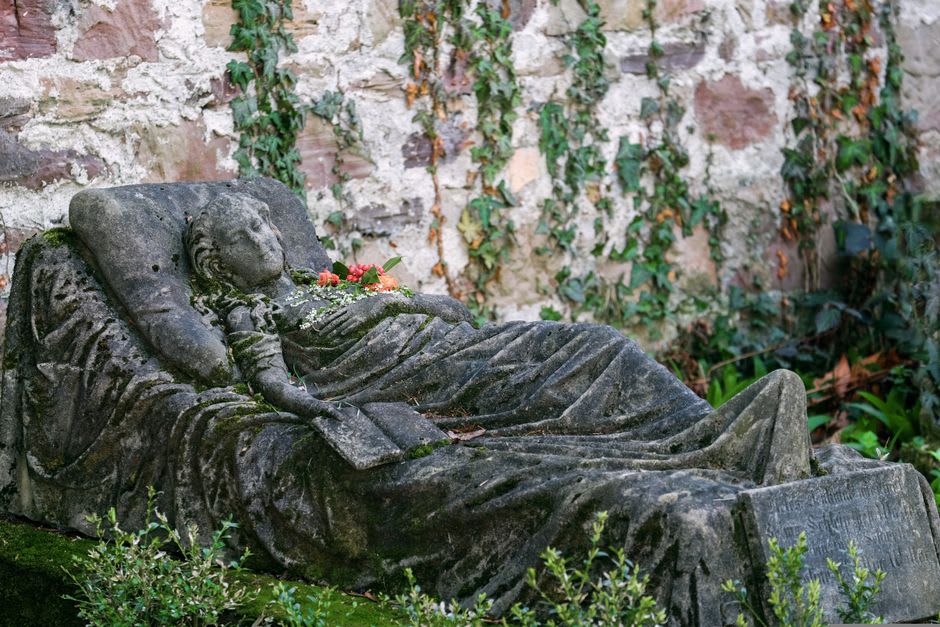
What stayed with me longer than the fortress, though, was the Radimlja necropolis just outside town, where medieval stećci tombstones stand scattered across a sloped field like something between a graveyard and a sculpture garden. Some are carved with hunting scenes, spirals, hands raised mid-gesture — nobody fully agrees on what they all mean, and I liked that. Lia spent a long time crouched by one particular stone tracing a carved figure with her eyes, not touching it, just looking, and neither of us said much on the walk back to the car. Stolac’s Čaršija Mosque, with its unusual frontal mural, sits a short walk from an Orthodox church and what remains of a Jewish presence in town — mosques, churches, and synagogue history within a few minutes of each other, which tells you something about what this valley used to be before the war, and what it’s quietly trying to be again.
We ate dinner that night at a small terrace place overlooking the river, grilled trout that the owner said came from a farm upstream, and I kept thinking about how few other travelers we’d seen all day — maybe a dozen, total, in a town this rich with layered history. That absence of crowds is part of what makes Stolac feel less like a stop on the way to Mostar and more like the place Mostar’s story actually started.
When to go: We went in early autumn and had the fortress almost to ourselves in soft evening light — late spring through June works just as well, before the Adriatic summer heat rolls inland and well ahead of the crowds that fill nearby Mostar.