Kravice Waterfalls
"The water here is the colour of something a painter would choose and a photographer would be accused of over-editing."
A horseshoe of travertine waterfalls on the Trebižat river where Bosnians swim on summer weekends and the water is an improbable shade of jade.

I arrived at Kravice on a Tuesday in early June, which turned out to be the correct decision. The road from Mostar descends through the Herzegovina karst plateau for about forty-five minutes, through villages and tobacco fields and bare white limestone, and then the land dips into a valley and the Trebižat river appears, and then suddenly, around a bend in the path, the falls. They form a near-perfect horseshoe shape — twenty-five metres of travertine ledge curving around a bowl of still water, with perhaps ten or twelve separate cascades falling at different angles and volumes into the pool below. The sound hits you before the view does: a low, encompassing roar that seems to come from inside the landscape rather than from any particular direction.
The colour of the water is the thing people photograph and then get accused of over-editing. It is genuinely, unreasonably jade — a green so saturated and so luminous that it seems impossible in daylight, and yet there it sits, the product of dissolved minerals in the karst system feeding the Trebižat. The travertine ledges over which the falls cascade are a particular texture — soft and irregular, built up over centuries from calcium carbonate deposits, and colonized at their edges by moss and ferns. The vegetation around the pool is subtropical in density: willows and fig trees and wild cane closing in from every side, so that the falls feel enclosed and private even when they’re crowded.

On weekends in July and August, Kravice becomes a local swimming hole on a significant scale — cars park for a kilometre along the road, families arrive with coolers and umbrellas, and the pool fills with people the way any good public swimming spot does in a country where people take their leisure seriously. I was told the summer crowds are extensive, and I believe it, because even on my Tuesday in June there were fifty or sixty people. What struck me was how entirely Bosnian the scene was — families in the water, grilled meat at the stalls by the car park, music from somewhere, children being directed off ledges by parents who were simultaneously eating and not watching carefully enough. The tourist infrastructure exists — there’s a ticket booth, a path, some rope barriers — but it sits lightly, and the feeling is of a place that belongs to its own people first.
I swam across the pool and back, which takes about three minutes and puts you in the spray zone where the water temperature drops by several degrees and your hair is immediately soaked. From the far side, looking back at the falls from water level, the scale is completely different — the cascades seem taller, the horseshoe more complete, the green of the water more extreme. I trod water there for a while, which is a sentence I don’t often get to write about a European country with the conviction that I mean it literally.

The falls are at their highest volume in spring — April and May — when the snowmelt from the Dinara range above feeds the Trebižat. At this time the individual cascades merge into a continuous curtain and the pool level rises significantly. The trade-off is that the water is much colder and the vegetation is less lush. I prefer it in early June when the volume is still good, the water has warmed slightly, and the crowds haven’t yet arrived in full summer force.
When to go: May and early June for high water volume and relative quiet. Late June and July if you want the social atmosphere of a Bosnian summer swimming spot at its most alive. Avoid Saturday afternoons in August. The falls exist year-round but the path closes in wet weather and the pool is too cold for swimming from October to April.
Keep exploring
More from Bosnia and Herzegovina
 bosnia-and-herzegovina
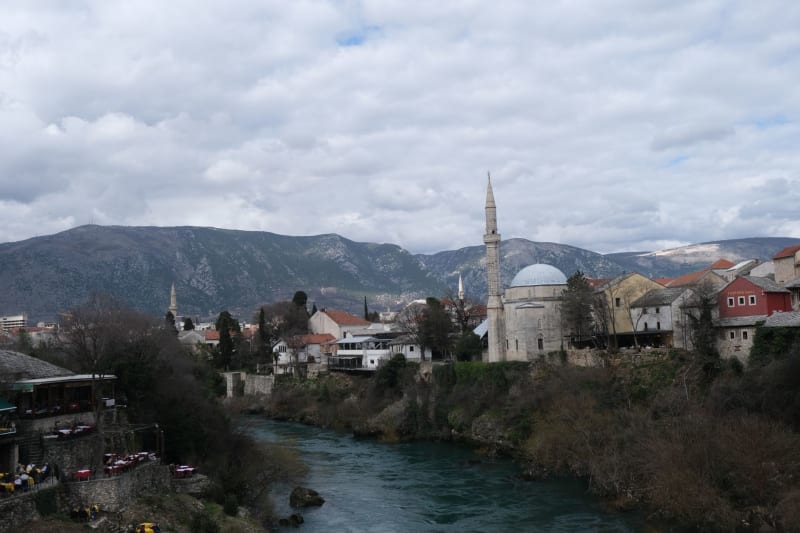
 Mostar
A sixteenth-century bridge rebuilt from the rubble of war, standing over a river so green it looks like something lit from underneath.
Explore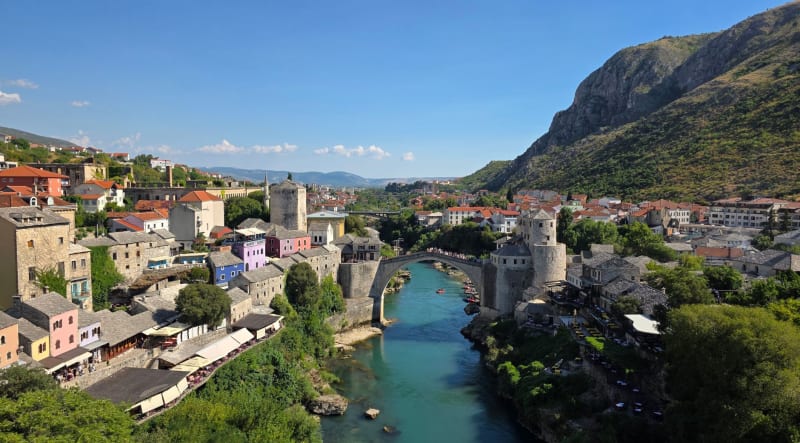 bosnia-and-herzegovina
 Počitelj
A medieval stone village clinging to a cliff above the Neretva, half-abandoned after the 1990s war, with pomegranate trees growing through cracked walls.
Explore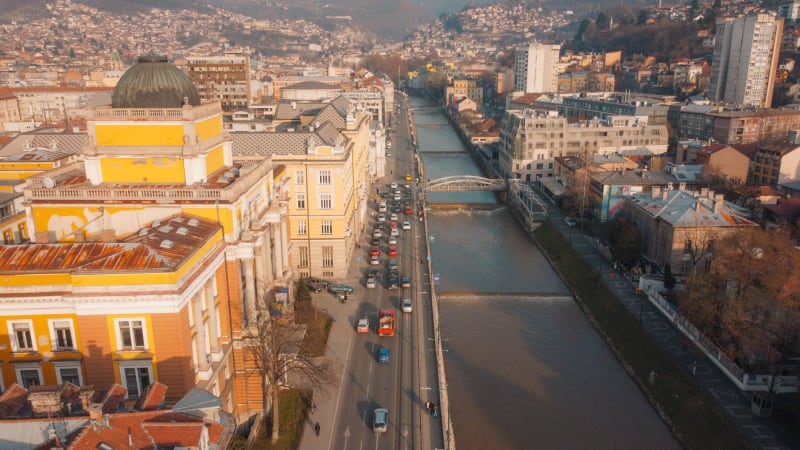 bosnia-and-herzegovina
 Sarajevo
A capital city compressed into a steep valley where four religions coexist on the same street and history refuses to stay in the past.
Explore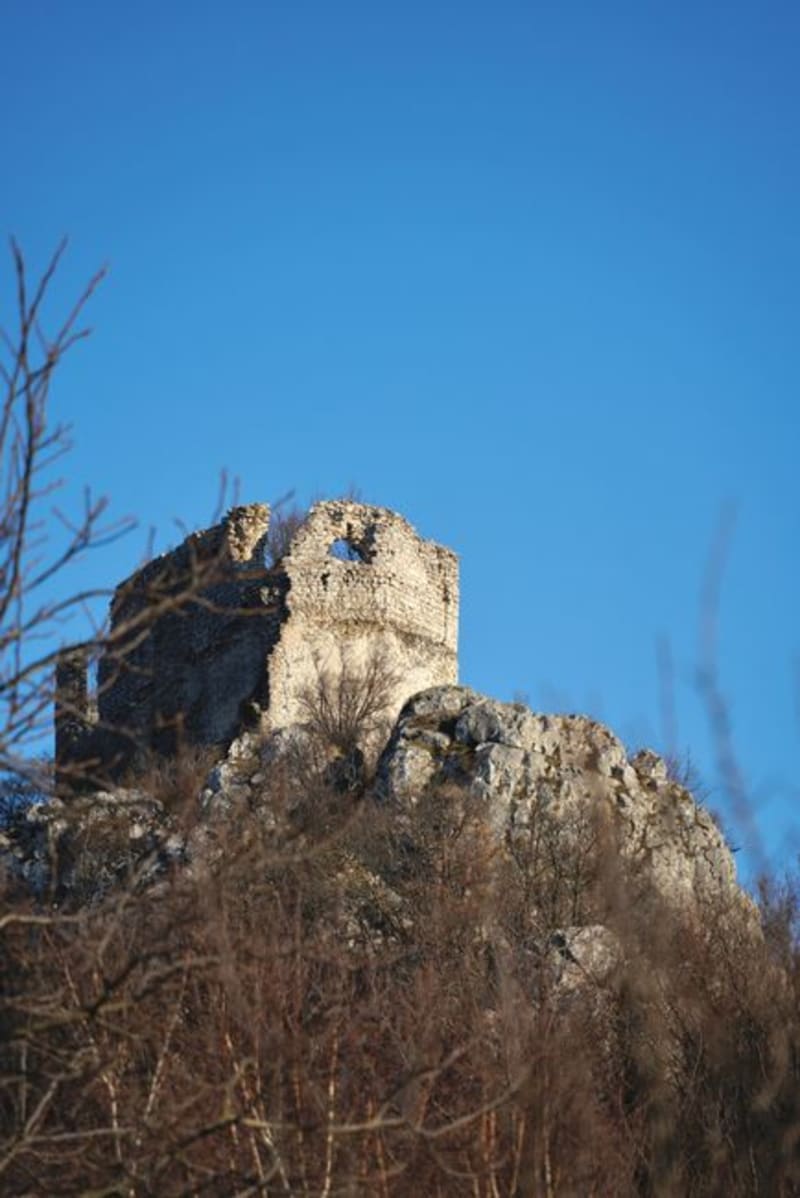 bosnia-and-herzegovina
 Stolac
A stone-built valley town near Mostar where 15,000 years of settlement, three faiths, and the Bregava River meet in near silence.
Explore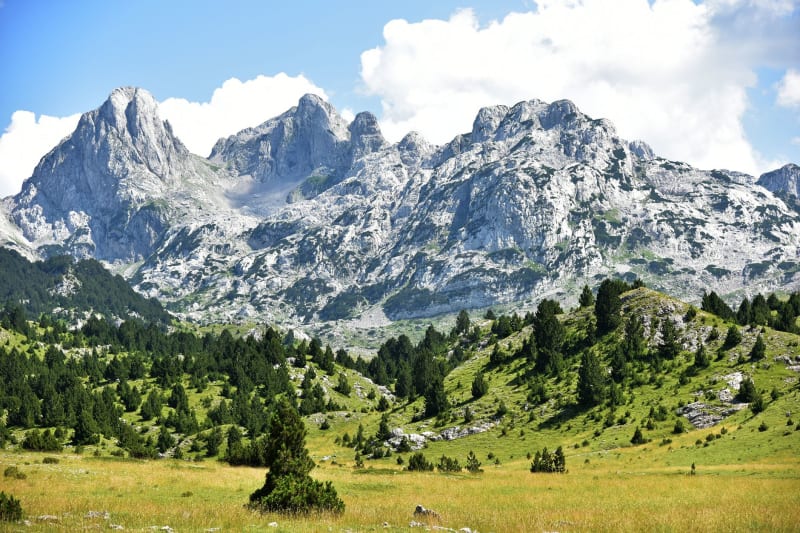 bosnia-and-herzegovina
 Sutjeska National Park
Bosnia's oldest national park holds one of the last primeval forests in Europe and a canyon so deep the light only reaches the bottom at noon.
Explore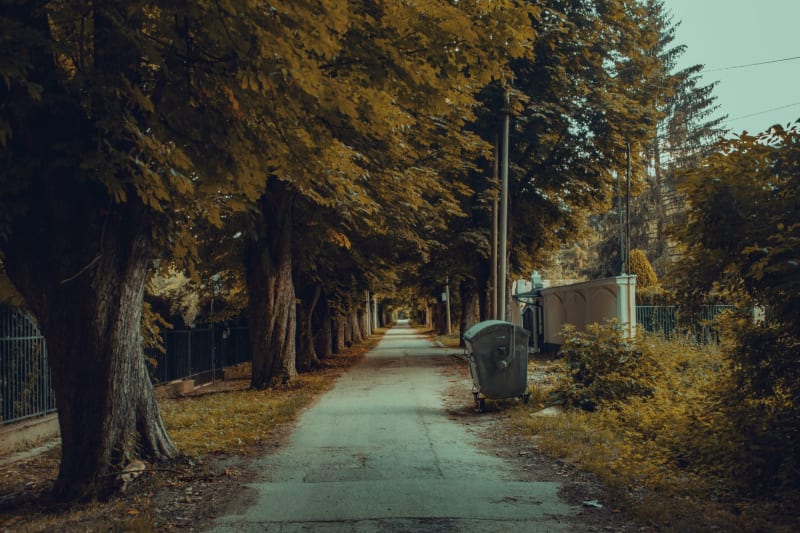 bosnia-and-herzegovina
 Travnik
The former Ottoman capital of Bosnia where a painted mosque faces a medieval fortress and Ivo Andrić was born in a house no one has turned into a museum yet.
Explore