
Washington Slagbaai National Park
"The Caribbean nobody imagined: dry, spiny, and more alive than any beach resort."
The gate to Washington Slagbaai opens at eight in the morning, and if you arrive just before that, you can watch the light cut horizontally across the cacti in a way that is genuinely cinematic. I drove my rented truck to the entrance with a thermos of coffee and sat on the hood for a few minutes before the park officially began, looking at a landscape that resembled Baja California more than anything I associated with the Dutch Caribbean. Columnar cacti — some of them taller than the truck — stood in dense clusters across orange-red earth. A yellow-shouldered Amazon parrot screamed from somewhere overhead and then went silent. A donkey appeared at the edge of the treeline, appraised me without warmth, and walked away. The park hadn’t even started yet and I was already behind.
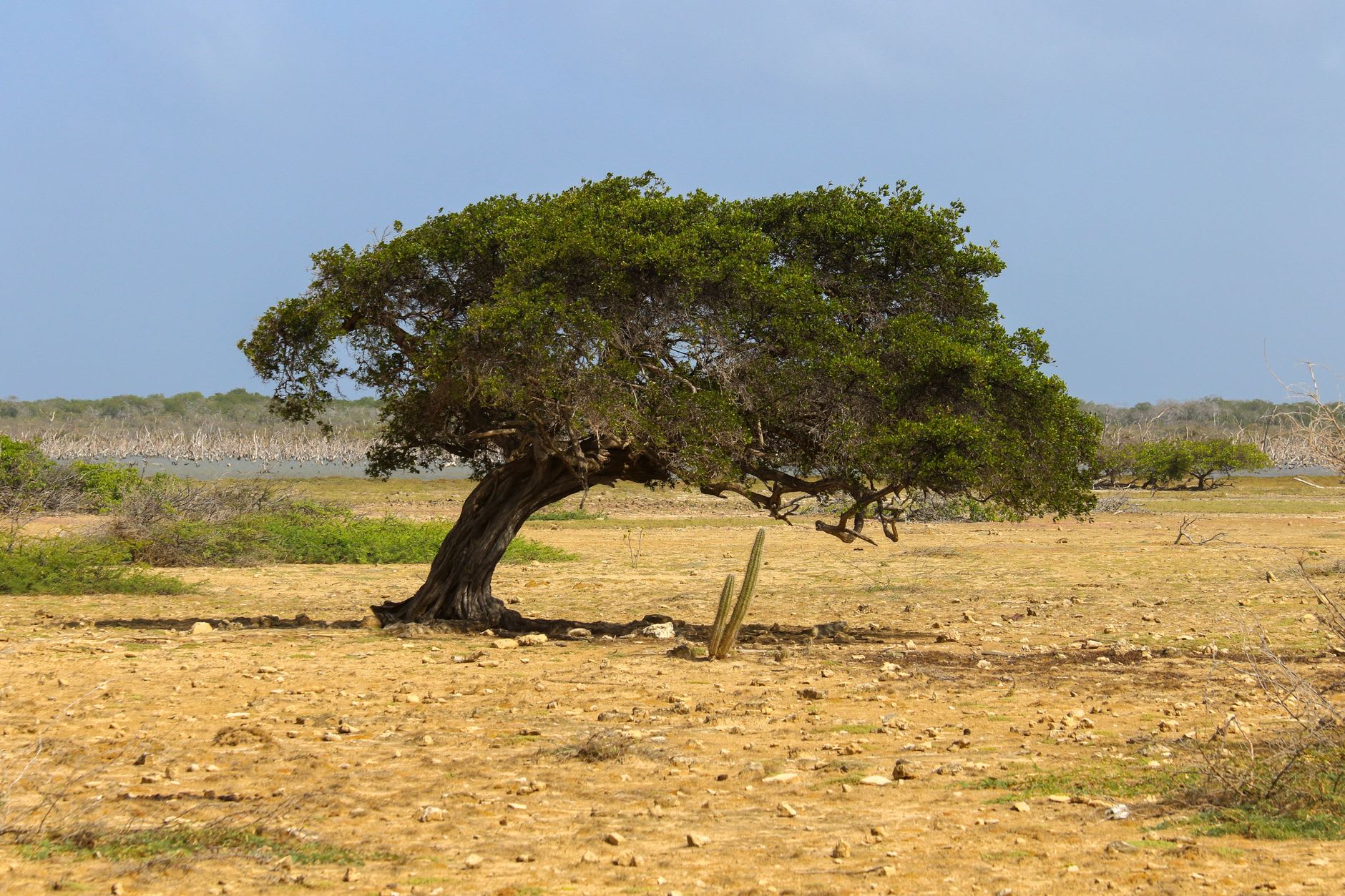
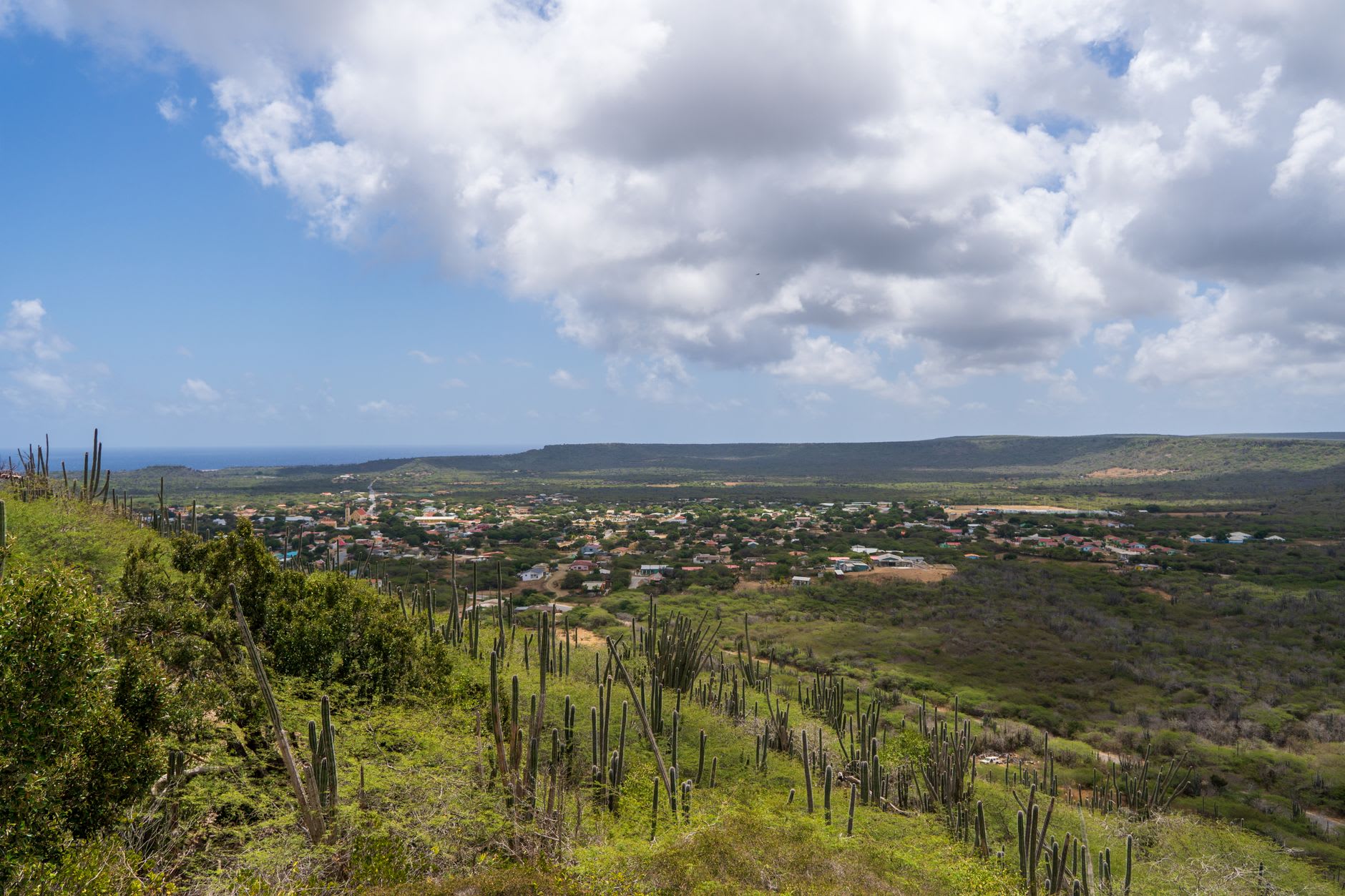
Washington Slagbaai occupies the northern fifth of Bonaire, and what was once two plantations — one producing divi-divi pods for tanning leather, the other running salt and charcoal operations — is now 13,500 hectares of dry tropical woodland, sea cliffs, inland saline lakes, and rugged coast. You can drive either the long route (22 km) or the short route (15 km), both unpaved, and the road quality rewards slow driving. I stopped eleven times on the long route — once for a herd of wild goats standing in the middle of the track with complete indifference to the truck, twice for large yellow iguanas who turned sideways in the sun to warm their flanks, and several times simply because the sea appeared through gaps in the vegetation in colours I had no reference for. The kind of blue-green that exists at a specific shallow depth over white sand and only exists that colour there.
Playa Chikitu on the windward coast is officially a beach but feels more like a geological argument. The surf comes directly off the Atlantic with nothing to slow it, and the black sand is studded with fragments of bleached coral and sun-dried seaweed. I couldn’t swim there — the water was too rough — but I sat for half an hour on the ridge above it, eating the cheese sandwiches I’d packed, watching the spray carry inland on the wind. It smelled like salt and iron, the particular mineral smell of Atlantic surf that has nothing in common with the gentle Caribbean water on the other side of the island.
The flamingos at Slagbaai gather at Salina Mathijs, one of the inland salt pools, in numbers that feel preposterously large for such a quiet island. I counted what I guessed was two hundred, though they moved in drifting formations that made counting difficult. They are pink in the way that shouldn’t exist outside of a photograph — an almost artificial saturation that the midday light makes stranger still. Nobody else was at Salina Mathijs when I was there. A lizard ran across my foot and didn’t look back.
When to go: Washington Slagbaai is open daily from 8 AM to 5 PM, with last entry at 2:30 PM — check the hours at the gate before heading in. Go as early as possible; the heat is brutal by midday and wildlife activity drops significantly after ten. Bring more water than you think you need, a hat you’re willing to sit on, and enough time to get lost at least once on the unpaved tracks.