Oruro
"I came for one dance and left thinking about four centuries of silver, tin, and faith."
A mining city on the altiplano where devils dance for the Virgin, and the air at 3,700 meters makes every step a small negotiation.
Lia and I got to Oruro two days before Carnaval started, and the altitude hit me before the music did. Over 3,700 meters, and I’d been stupid enough to skip the coca tea on the bus ride up from La Paz. We checked into a small hotel near the center, and I spent the first evening lying flat on the bed while Lia went out to scout the parade route, coming back with stories of scaffolding going up along every block and vendors already selling foam spray and water balloons — apparently nobody in this city gets through Carnaval dry.
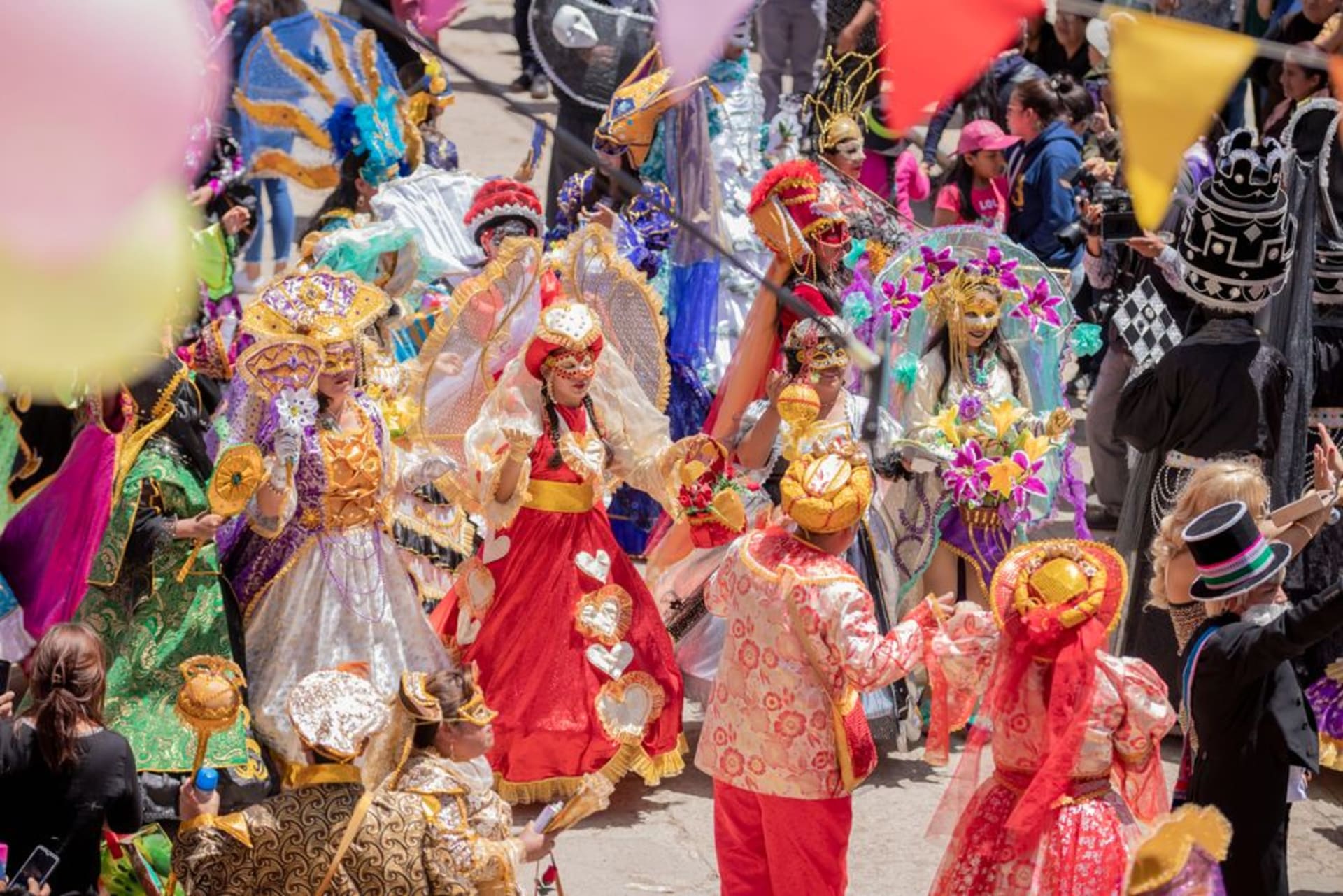
By the Saturday before Ash Wednesday, the whole town had turned into one long procession. We found a spot near the Plaza de Armas and watched the Diablada come through — dancers in horned masks, their costumes so heavy with embroidery and mirrors that I couldn’t imagine dancing in them for hours, let alone the whole route down to the Socavón Sanctuary. Someone next to us, an older man selling anticuchos, explained without me even asking that the dance reenacts a battle between angels and devils, and that it comes straight out of the mines — the devil as the spirit of the underground, the one miners still leave offerings for before a shift. UNESCO recognized this whole thing as a Masterpiece of Oral and Intangible Heritage back in 2001, and standing there getting sprayed with foam by a kid who couldn’t have been older than seven, I finally understood why.
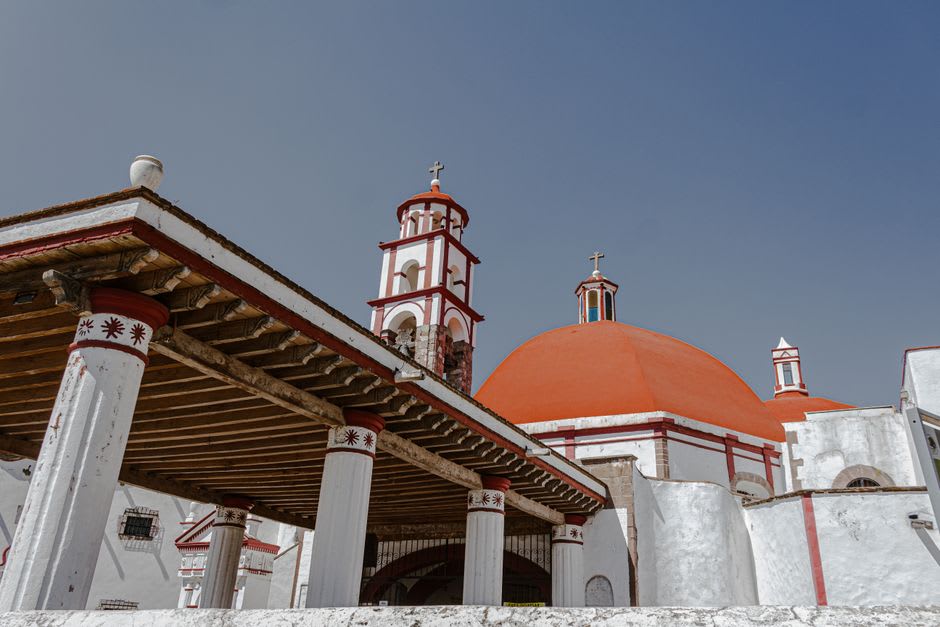
The next morning, with my ears still ringing a little, we walked up to the Socavón Sanctuary itself. It sits directly above an old mine shaft — the church built literally on top of the earth it was named for, “socavón” meaning tunnel or mine gallery. Inside is the small museum dedicated to the mining history that built this city after silver was found here in 1606 and later, when the silver ran out, tin carried it through the twentieth century. I stood at the entrance to the old shaft for a long moment, thinking about how the same hole in the ground that made this place rich is also, in a strange way, what the whole Carnaval is dancing about — gratitude and fear in equal measure, addressed to the Virgin of Socavón who watches over it all.
We left Oruro sunburned, slightly deaf, and smelling like foam spray for two more days. Lia said it was one of the most alive places she’d ever seen; I keep thinking about the miners’ devil, and how a city can build its biggest, most joyful celebration around something it’s also genuinely afraid of.
When to go: Time it for February or March, specifically the Saturday before Ash Wednesday — that’s when the Diablada and the rest of Carnaval de Oruro take over the streets, and you’ll want to book your hotel months ahead.