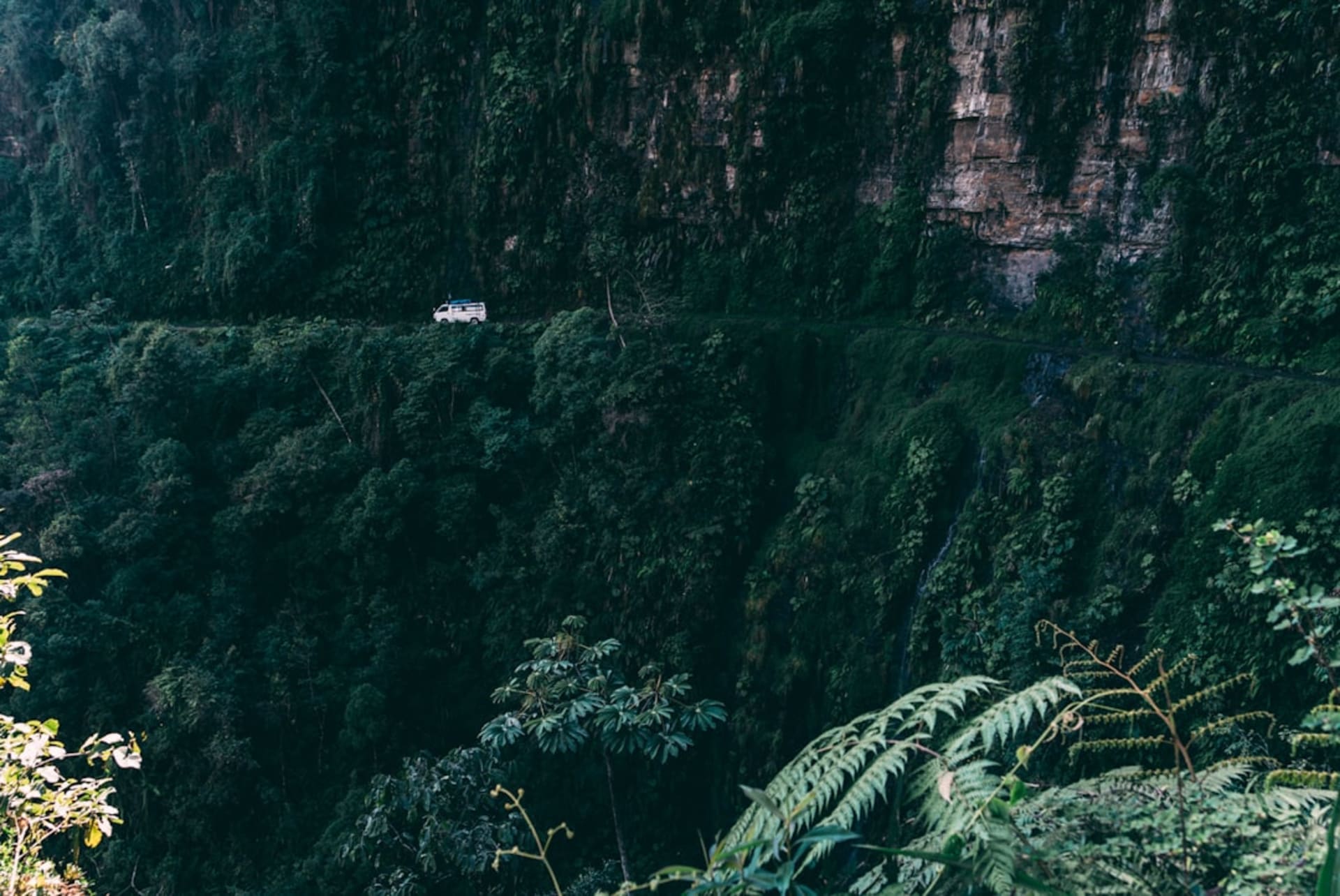
Madidi National Park
"I came for the birds and left thinking about scale — 180 meters to 6,000, all in one park."
A park that climbs from steaming Amazon lowlands to Andean peaks, holding more bird species than most countries on Earth.
Lia found Madidi on a map first, the way she finds most of our best detours — a green blob stretching from the Amazon basin up into the Andes, with almost no roads drawn through it. We flew into Rurrenabaque from La Paz, a twenty-minute hop that dropped us from cold thin air into thick, wet heat, and within an hour we were in a wooden longboat heading up the Beni River toward a jungle lodge run in partnership with a Tacana community. I remember cutting the engine at one point just to listen — cicadas, unseen birds, the slap of water against the hull — and our guide, Wilmer, telling us the park spans elevation from about 180 meters where we were sitting to over 6,000 meters at its Andean edge. It’s one of the reasons Madidi keeps showing up in biodiversity surveys as one of the richest protected areas on the planet.
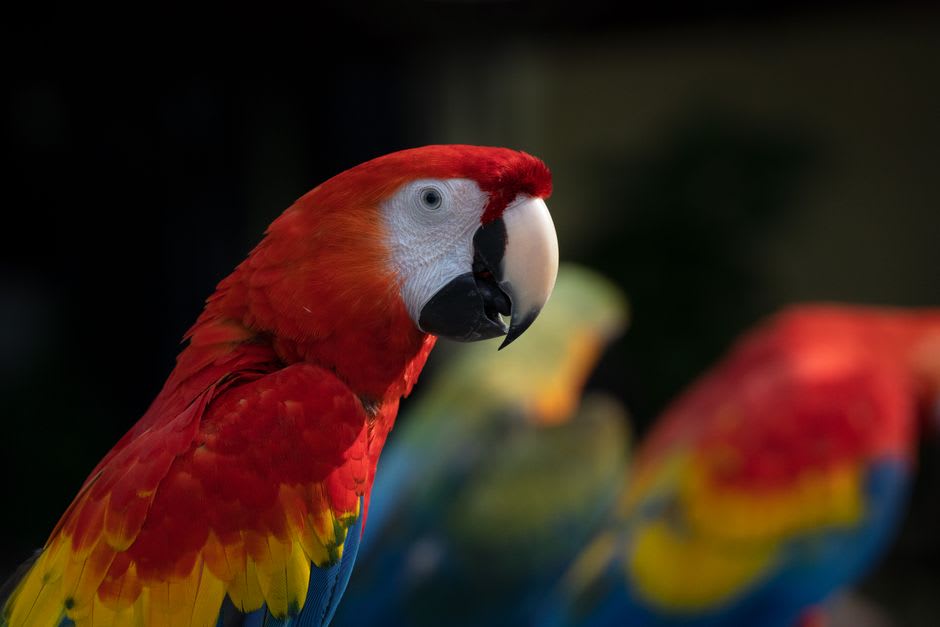
We spent our first full day on the Tuichi River, and it was there that the numbers Wilmer had quoted us stopped being abstract. A rapid biological inventory once logged more than 1,000 bird species and over 200 mammal species inside the park, and even in three days we felt like we’d barely scratched that surface — a family of squirrel monkeys crashing through the canopy above camp, a tapir print pressed fresh into mud by the riverbank, hundreds of macaws streaming off a clay lick in the early light. Lia, who usually loses patience with wildlife-watching after twenty minutes, sat still for almost two hours that morning.
What stayed with me most, though, wasn’t the megafauna — it was how present the Tacana guides were in every part of the experience. This isn’t a park where tourism happens to indigenous land; it’s co-managed, and the lodges, trails, and boat routes we used were run by the communities themselves. One evening, an older guide named Rufino walked us through the forest with a headlamp, pointing out a tree frog here, a tarantula burrow there, naming plants his grandfather had used for medicine. It felt less like a tour and more like being let into someone’s backyard, carefully, on their terms.
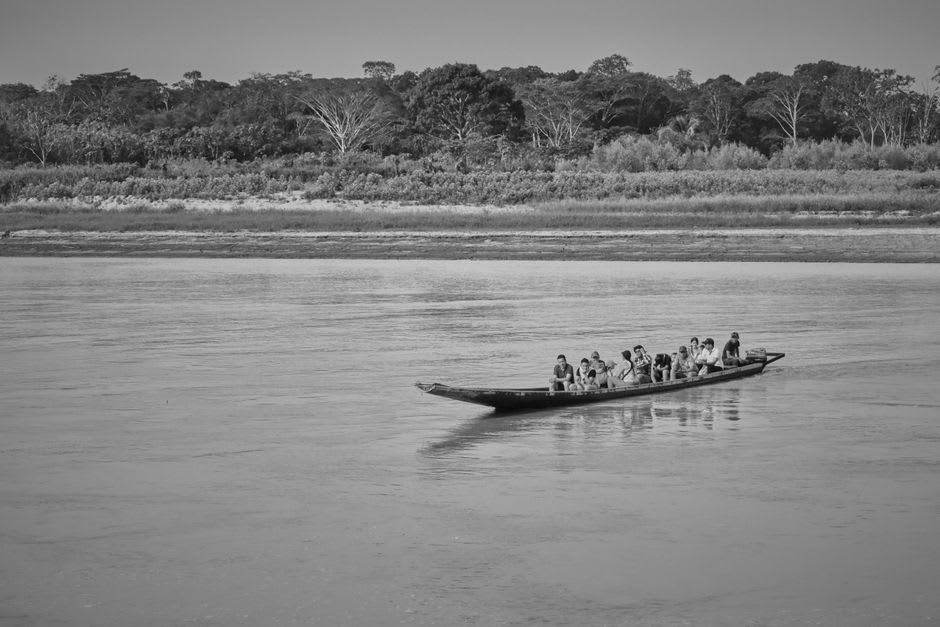
By our last morning, the heat had built into something heavy and total, the kind that makes you understand why the dry season matters so much here. We climbed into the boat one final time, soaked in sweat and river spray, and I remember thinking that Madidi was less a single place than a whole vertical world compressed into one park — Amazon lowland at the bottom, cloud forest and Andean ridgeline somewhere far above us, neither of which we’d fully see in one trip.
When to go: Aim for May to October, when the dry season keeps the rivers navigable and pulls animals down to predictable water sources — the rest of the year the trails flood and the wildlife scatters deeper into the forest.