
Třeboň
"At Třeboň they serve carp fresh from ponds you can see from your table. That directness of farm to fork, water to plate, is something I keep returning to."
A walled medieval town surrounded by a labyrinth of fish ponds that turns gold at sunset — and serves the freshest carp you'll eat anywhere in Central Europe.

I arrived in Třeboň on the train from České Budějovice and walked from the station through a landscape that took some adjusting to: flat, open, interrupted by long linear ponds whose surfaces caught the sky. The town appeared on a slight rise, its walls and gate tower intact, and the whole approach had the quality of a medieval townscape rendered in a slightly melancholy Dutch landscape painting — low horizon, wide water, autumn sky. I had arrived in mid-October, which I did not plan but turned out to be ideal for reasons I couldn’t have anticipated from a map.
The fish ponds — rybníky — are the reason Třeboň exists. Built systematically from the thirteenth century onward by the Rožmberk family, who understood that water management and fish farming were the economic future of the wetland landscape they controlled, the pond system now covers roughly 460 square kilometres of southern Bohemia. The largest, Rožmberk pond, holds eleven million cubic metres of water. The ponds are managed for carp production, which means every few years each pond is drained, the fish harvested, the pond rested, and then refilled. During harvest season — late October and early November — the harvesting is public, enormous, and attended by thousands of visitors who watch tonnes of carp being scooped into nets and buckets in something between a medieval tradition and a spectacular rural spectacle.

I arrived just before the harvest began, which meant the ponds were still full and the carp were visible from the banks — large, slow-moving shapes just below the surface, occasionally breaking it. That evening I ate at a restaurant on the main square where the carp on the menu had been swimming that morning. The fish came pan-fried with brown butter, a wedge of lemon, boiled potatoes, and nothing else, because nothing else was needed. The flesh was clean and firm and tasted of fresh water rather than the muddy flavour that carp has elsewhere. I ordered it again the next day. The waiter seemed unsurprised.
The town itself is small enough to walk entirely in half an hour but dense enough to reward a slower pace. The Renaissance castle — a former Rožmberk family seat, later a Schwarzenberg property — is now partly open as a museum and partly functioning as a spa hotel. The courtyard has a formal Italian Renaissance arcade that would not look out of place in Tuscany, which is exactly the point: the Rožmberks hired Italian architects in the sixteenth century and Třeboň has been wearing that influence ever since. The main square is bordered by arcaded houses in pale colours, and there is a fountain and a plague column and the particular atmosphere of a small town that knows it is exactly the right size.

The walking and cycling around Třeboň is exceptional. The trail network between the ponds is flat, well-marked, and passes through a wetland landscape that supports impressive birdlife — white storks, grey herons, osprey in season, an extraordinary density of wintering ducks in November. I spent a morning cycling the circuit around the three largest ponds and didn’t see another cyclist for ninety minutes. The silence over the water in the early morning was the kind that carries individual sounds very clearly — the splash of a carp, a distant tractor, the creak of my bicycle wheel — each sound arriving with unusual precision.
When to go: Late October and early November for the carp harvest — spectacular, crowded on the harvest days themselves, but completely worth it. May and June for breeding birds and the greenest version of the landscape. September and early October are quieter and ideal for cycling. Winter is cold and still and the ponds sometimes freeze, creating a landscape that I can only imagine from descriptions.
Keep exploring
More from Bohemia
 bohemia
České Budějovice
The unhurried capital of southern Bohemia, where the main square is genuinely one of Europe's finest and the local beer debate is treated as a civic matter.
Explore bohemia
Český Krumlov
A medieval castle town so perfectly preserved it feels like history held its breath and never exhaled.
Explore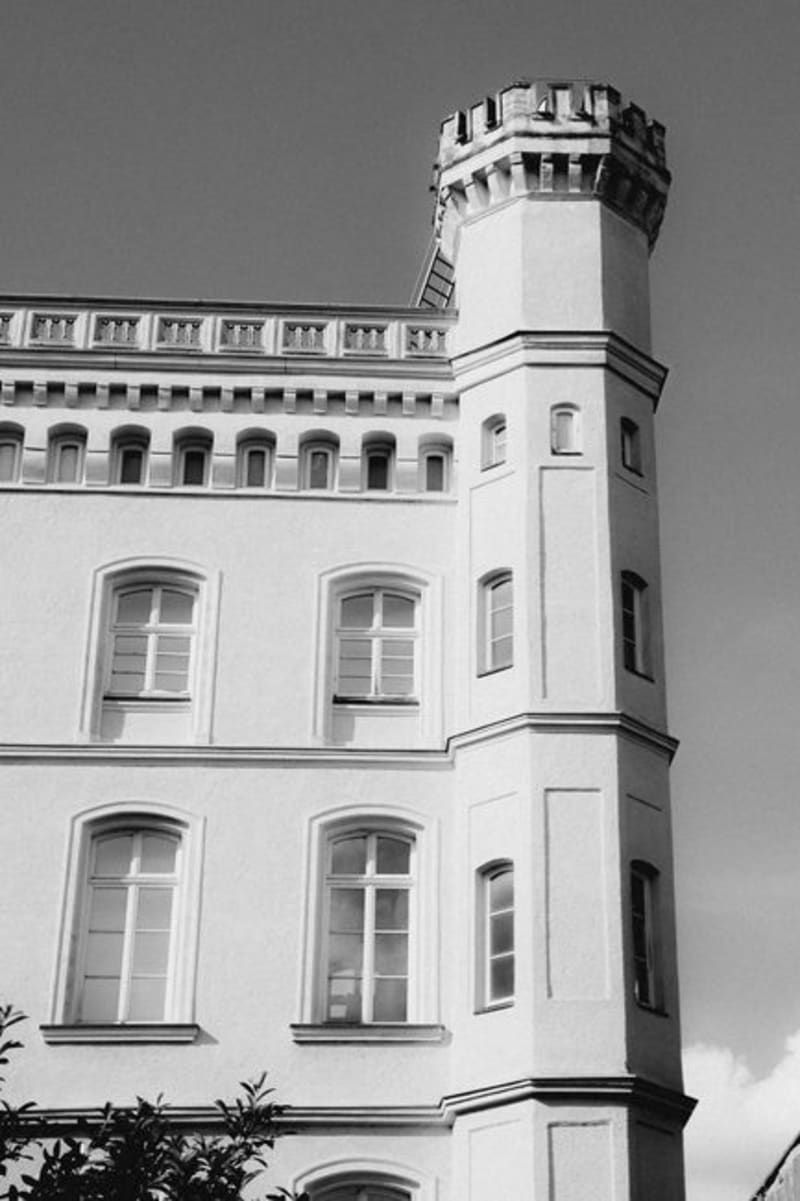 bohemia
Hluboká Castle
A Neo-Gothic fantasy on the Vltava, all white turrets and Windsor-inspired towers, hiding 140 rooms of Schwarzenberg excess.
Explore bohemia
Karlovy Vary
A Habsburg fever dream of colonnades and mineral springs where drinking sulphurous water from a porcelain cup is somehow the most elegant thing you can do.
Explore bohemia
Karlštejn
A Gothic castle on a wooded crag southwest of Prague, built by an emperor to guard his crown jewels and a chapel walled in semi-precious stones — magnificent, mobbed, and still worth the climb.
Explore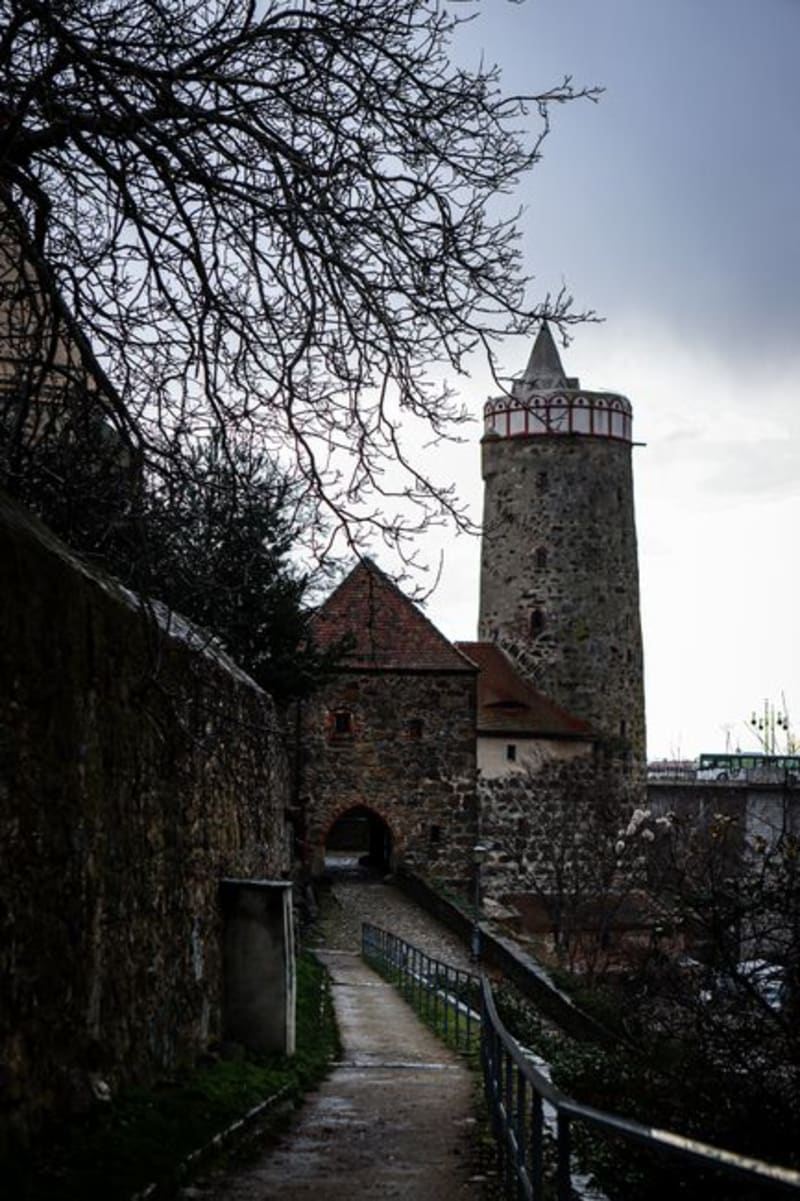 bohemia
Konopiště Castle
A Gothic fortress turned Habsburg hunting lodge, where trophy-lined halls and rose gardens still echo the archduke who never saw 1915.
Explore