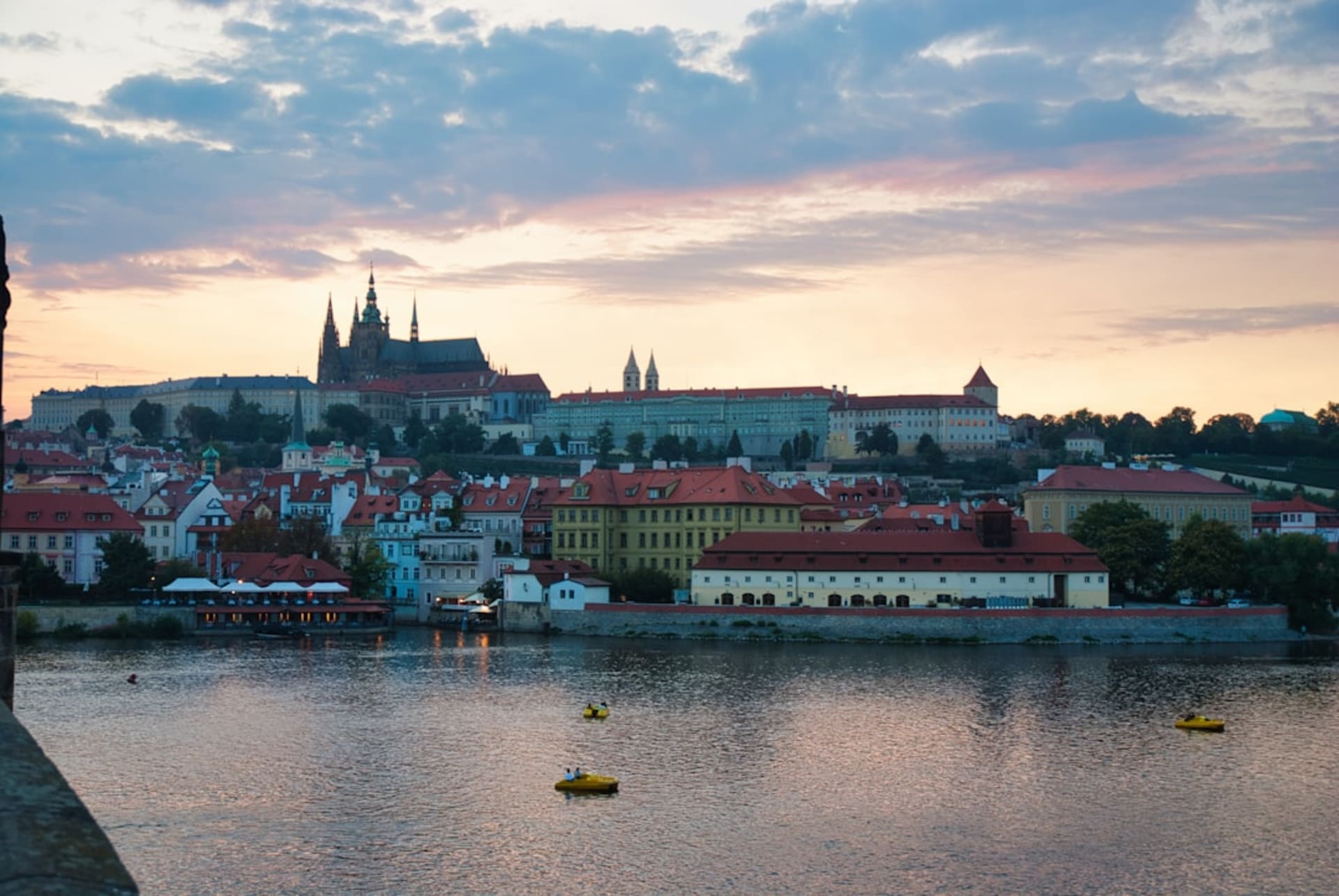
A Gothic fortress turned Habsburg hunting lodge, where trophy-lined halls and rose gardens still echo the archduke who never saw 1915.
We drove out from Prague on a whim, really — Lia had read that Konopiště was “the castle with all the guns,” and neither of us knew quite what that meant until we were standing in a corridor lined floor to ceiling with antlers, tusks, and the glassy stares of animals shot a century ago. This was Archduke Franz Ferdinand’s place, bought in 1887 and turned, room by room, into one of the largest private hunting collections in Europe. I’d read about Sarajevo in school like everyone else, but I’d never connected that name — that single, world-tilting event — to a specific house with a specific staircase and a specific man’s taste in wallpaper. Walking through it, the abstraction of “1914” became uncomfortably physical.
The guide walked us past armor cabinets and gilded weapons that Franz Ferdinand collected almost compulsively, and I found myself doing the math the whole time: he bought this suit of armor in, what, 1901? 1905? He had no idea he had maybe a decade left. Lia noticed I’d gone quiet in the room with his personal effects and just squeezed my arm — she gets it, that particular kind of vertigo history gives you when it stops being a date in a textbook and starts being someone’s actual Tuesday.
What surprised me most was the base of the building itself — under all that Habsburg excess is a genuine Gothic fortress, raised around 1300 by Bishop Tobiáš of Bechyně. You can still feel it in the thickness of certain walls, the way some passages narrow and turn like they were built for defense, not decoration. It’s a strange layering: a medieval bishop’s stronghold wearing the costume of a 19th-century aristocrat’s obsession, and somehow both versions of the building are telling the truth about who lived there.
We finished at the rose garden, which was in full bloom when we visited — arbors heavy with color, an old Italian-style fountain at the center, and honestly it was the first time all afternoon either of us fully exhaled. After the trophy rooms it felt almost defiantly alive.
When to go: aim for May through September, when the rose garden is at its best and you can pair a wander through the blooms with the full castle interior tour — outside that window the garden is a much quieter, barer thing.
Keep exploring
More from Bohemia
 bohemia
 Krkonoše
The Giant Mountains on the Polish border — Bohemia's highest peaks, home to ancient subalpine meadows, waterfalls, and a summer hiking culture that the Czechs take absolutely seriously.
Explore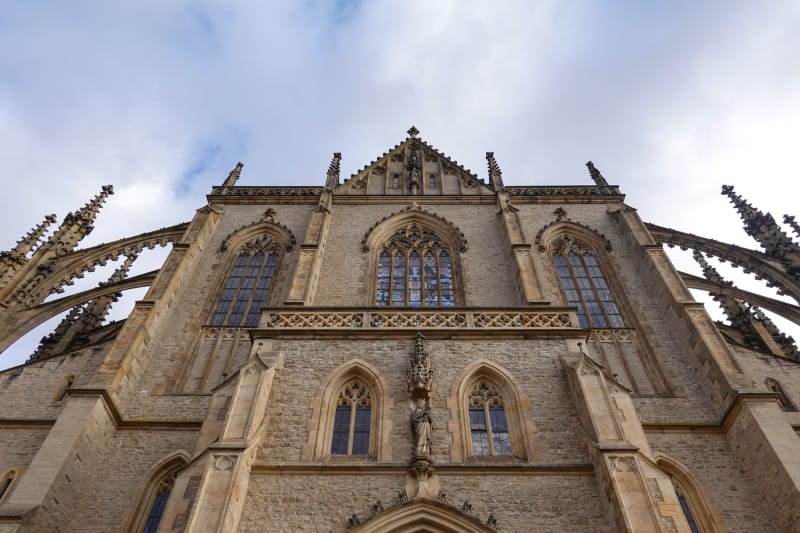 bohemia
 Kutná Hora
A medieval silver-mining capital whose most famous monument is a church decorated entirely with human bones — and it's more meditative than morbid.
Explore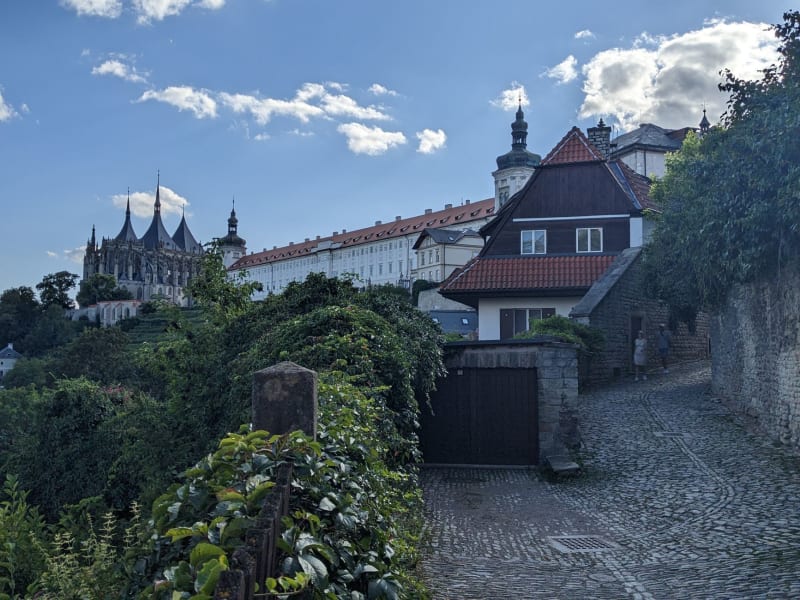 bohemia
 Loket
A tiny castle village pinched into an elbow of the Ohře River gorge — so improbably beautiful it looks like the set for a fairy tale no one wrote down.
Explore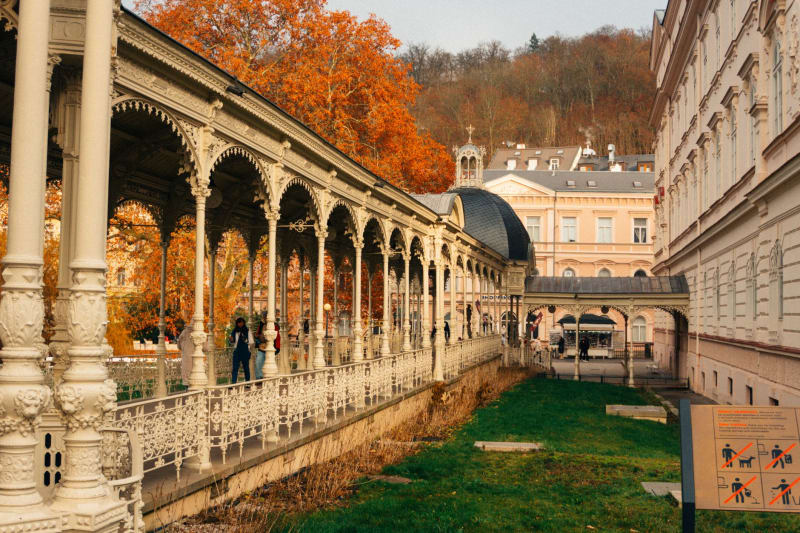 bohemia
 Mariánské Lázně
A greener, quieter cousin to Karlovy Vary where the forest comes to the edge of the colonnades and the cure-seekers outnumber the tourists.
Explore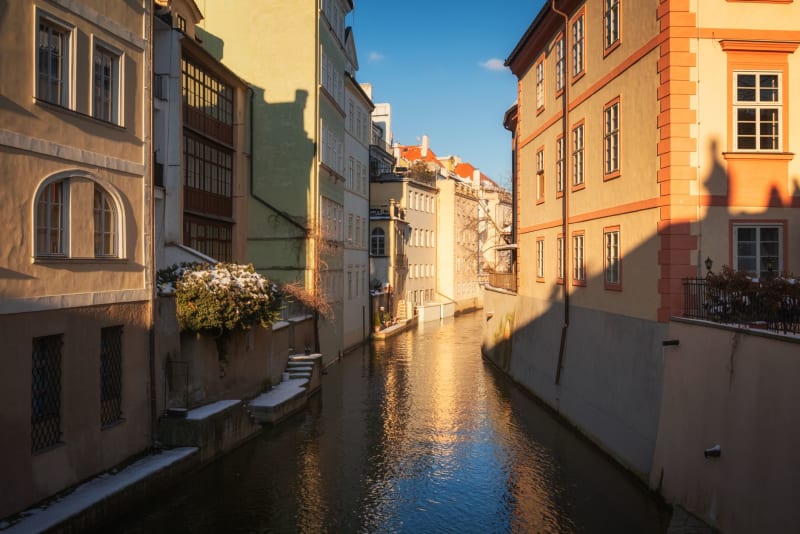 bohemia
 Plzeň
The city that invented Pilsner beer, where the brewery tour ends with a glass at the source and everything tastes different after that.
Explore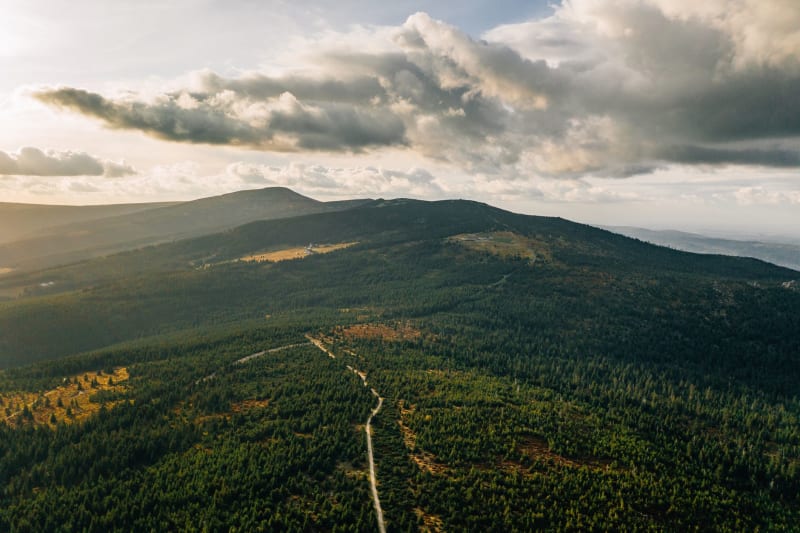 bohemia
 Šumava
A vast spruce and beech wilderness on the Bavarian border where the Iron Curtain once ran and the forest has quietly been reclaiming what it lost.
Explore