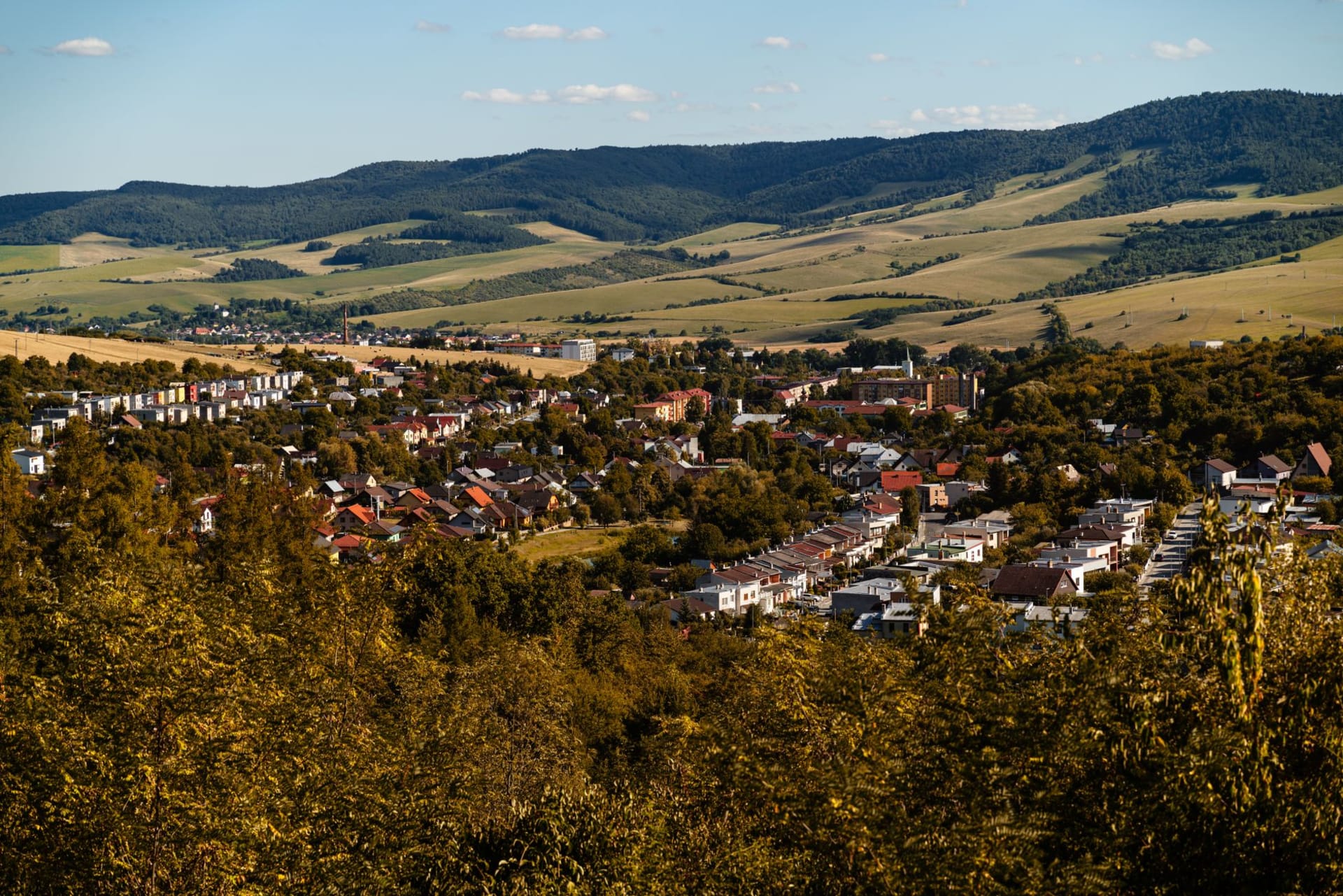
České Budějovice
"České Budějovice taught me that Budvar and Budweiser are a legal argument, not a taste comparison — and that the Czech side of that argument is correct."
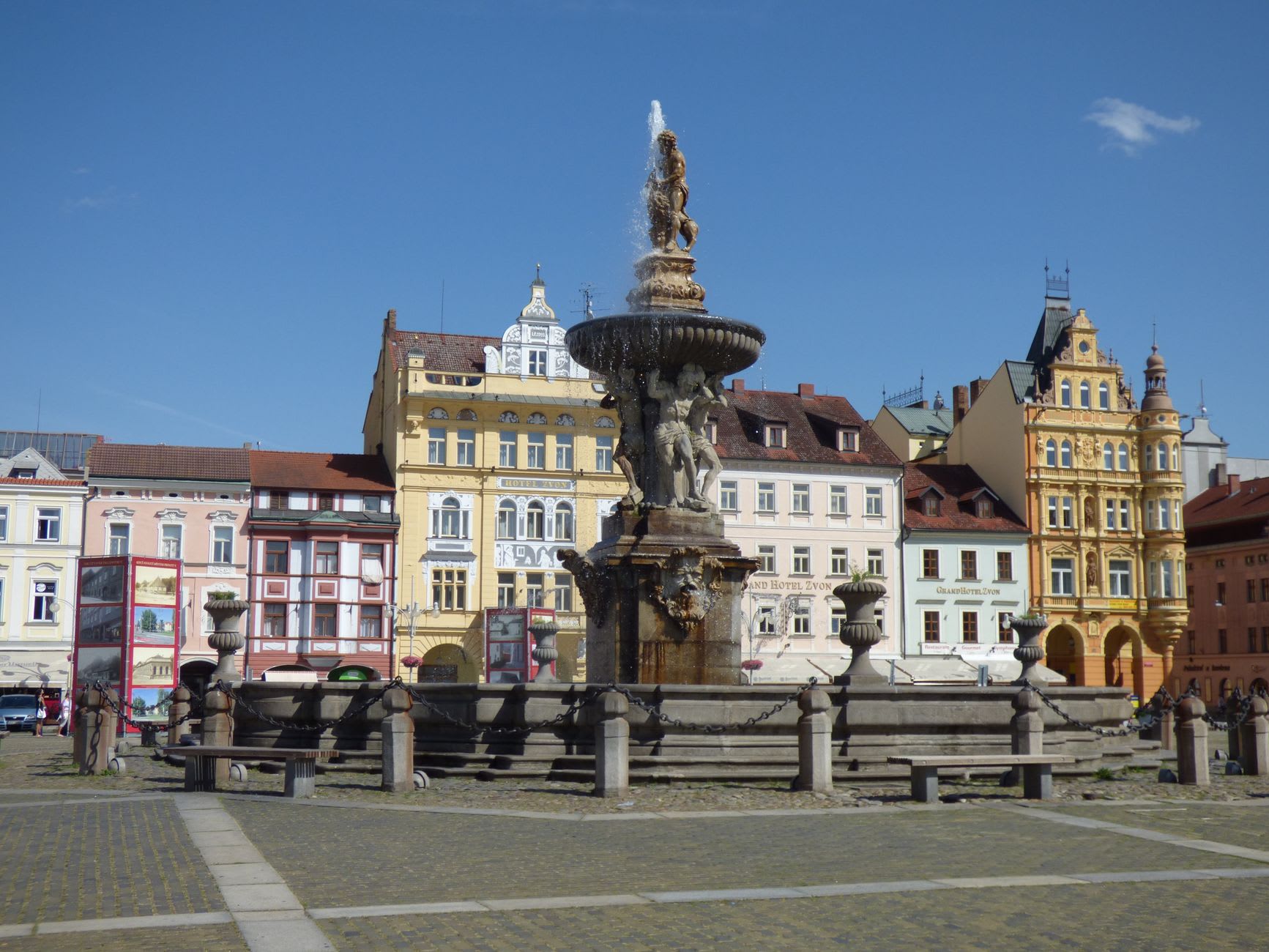
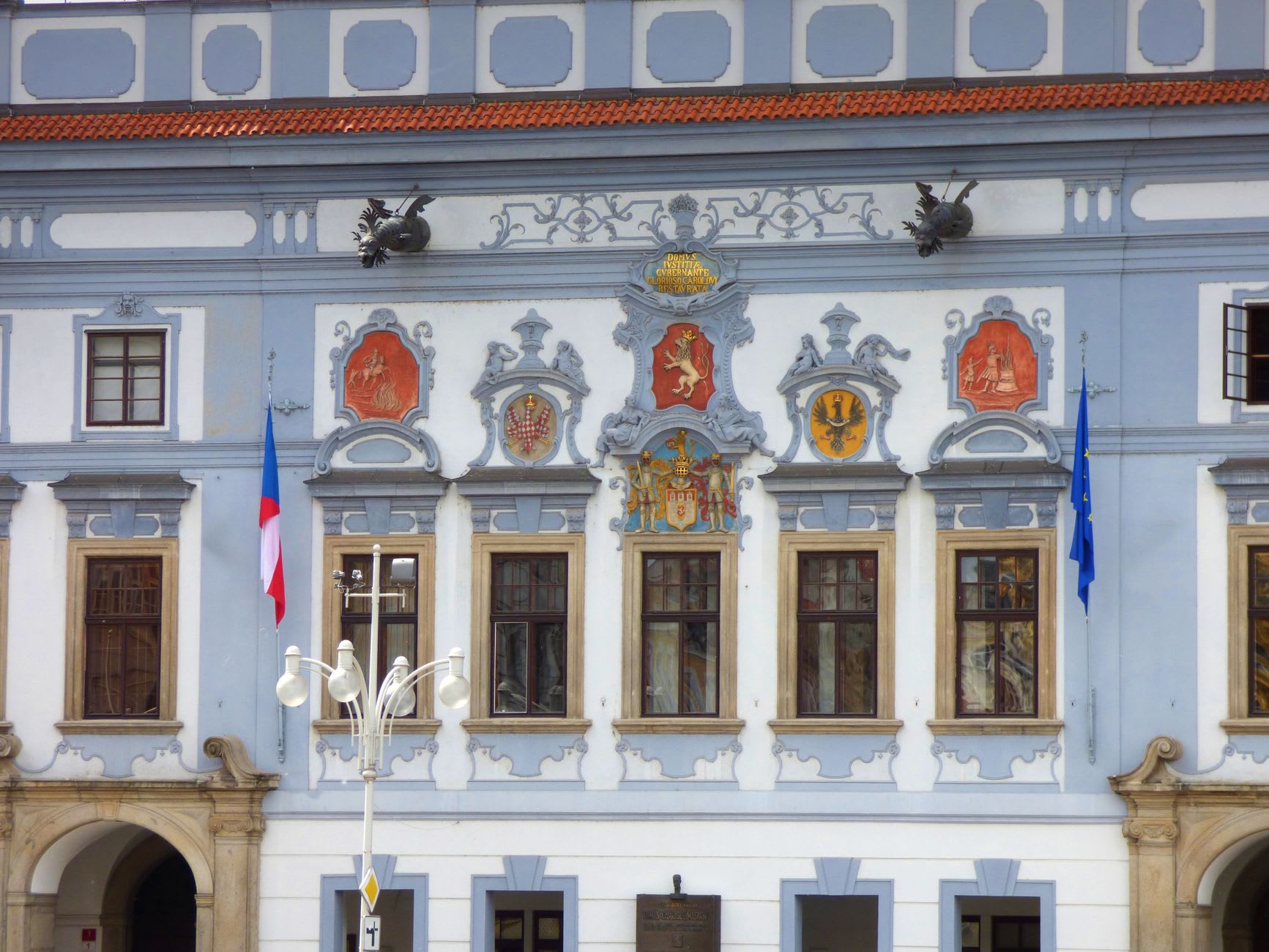
I arrived in České Budějovice late in the afternoon and walked directly to the main square without planning to. It was simply visible from the train station, the Black Tower rising above the rooflines as a 72-metre landmark, and I followed it through the old town and came out into náměstí Přemysla Otakara II feeling the way you feel when a room turns out to be larger than you expected. The square is 133 metres on each side, bordered by arcaded Renaissance and Baroque houses, with the Samson Fountain at its centre and the Cathedral of Saint Nicholas pushing its Baroque tower into the sky at the northeast corner. I have stood on a lot of European main squares. This one is the kind that makes you stop mid-stride.
České Budějovice is the capital of South Bohemia and a city of about 95,000 people — substantial enough to have its own rhythm and culture, small enough that the old town doesn’t feel overwhelmed by the modern city around it. The arcades around the main square are used the way arcades should be: as sheltered walking routes in rain, as informal meeting places in sun, as the practical civic infrastructure that medieval town planners understood instinctively and modern city planners have been trying to rediscover for decades. I walked the full perimeter of the square under the arcades twice, looking into the shops and restaurants and noticing the particular quality of provincial Czech civic life — unhurried, self-sufficient, faintly indifferent to the opinions of outsiders.
The beer situation in České Budějovice is a genuine piece of European cultural history. The Budějovický Budvar brewery was established in 1895, using recipes and traditions from the local brewing culture that had existed here since the thirteenth century. The American Anheuser-Busch company registered the name Budweiser for its own beer earlier, in various markets, leading to a trademark dispute that has been ongoing since 1906 and is one of the longest intellectual property cases in history. In the Czech Republic, Budvar wins. Everywhere else, the situation varies by market. I took the brewery tour, which covers the lagering cellars, the filtration process, and a tasting in a room that smells richly of hops and cold yeast. The beer is smooth, pale, slightly sweet, and tastes of nothing at all like the American product that shares its name in some markets. I ordered another glass.
The Budvar brewery is a twenty-minute walk from the main square along a residential street that passes through a neighbourhood of early twentieth century apartment buildings in the Czech Art Nouveau style — pale facades with floral detailing, generous windows, the careful proportions of a period when architecture was still assumed to have moral purpose. It’s worth walking rather than taking a taxi simply to pass through this neighbourhood, which is beautiful in a way that isn’t on any tourist itinerary.
The market in the old town square happens on weekday mornings and is exactly the kind of market that exists for residents rather than tourists — fruit, vegetables, fresh bread, pickles, smoked meats, and at one stall a woman selling homemade horseradish in four different formulations. I bought a jar of the one labelled only with a handwritten number and ate it later with a piece of pork from a restaurant nearby. It was the hottest thing I’ve eaten in Bohemia and I have thought about it since with respect. The restaurant was on a back street, not the square, and had a daily special — svíčková — that came with a portion of bread dumplings large enough to constitute a structural concern. I ate all of it.
When to go: May through September is the obvious season, and the main square in summer evening light is specifically worth experiencing. The Christmas market in December is genuine and not overly touristic — the square is large enough to accommodate it without becoming overwhelmed. České Budějovice is an excellent base for southern Bohemia: Český Krumlov is 25 kilometres south, Třeboň 30 kilometres east, and the Šumava begins another 20 kilometres west.