Europe
Bohemia
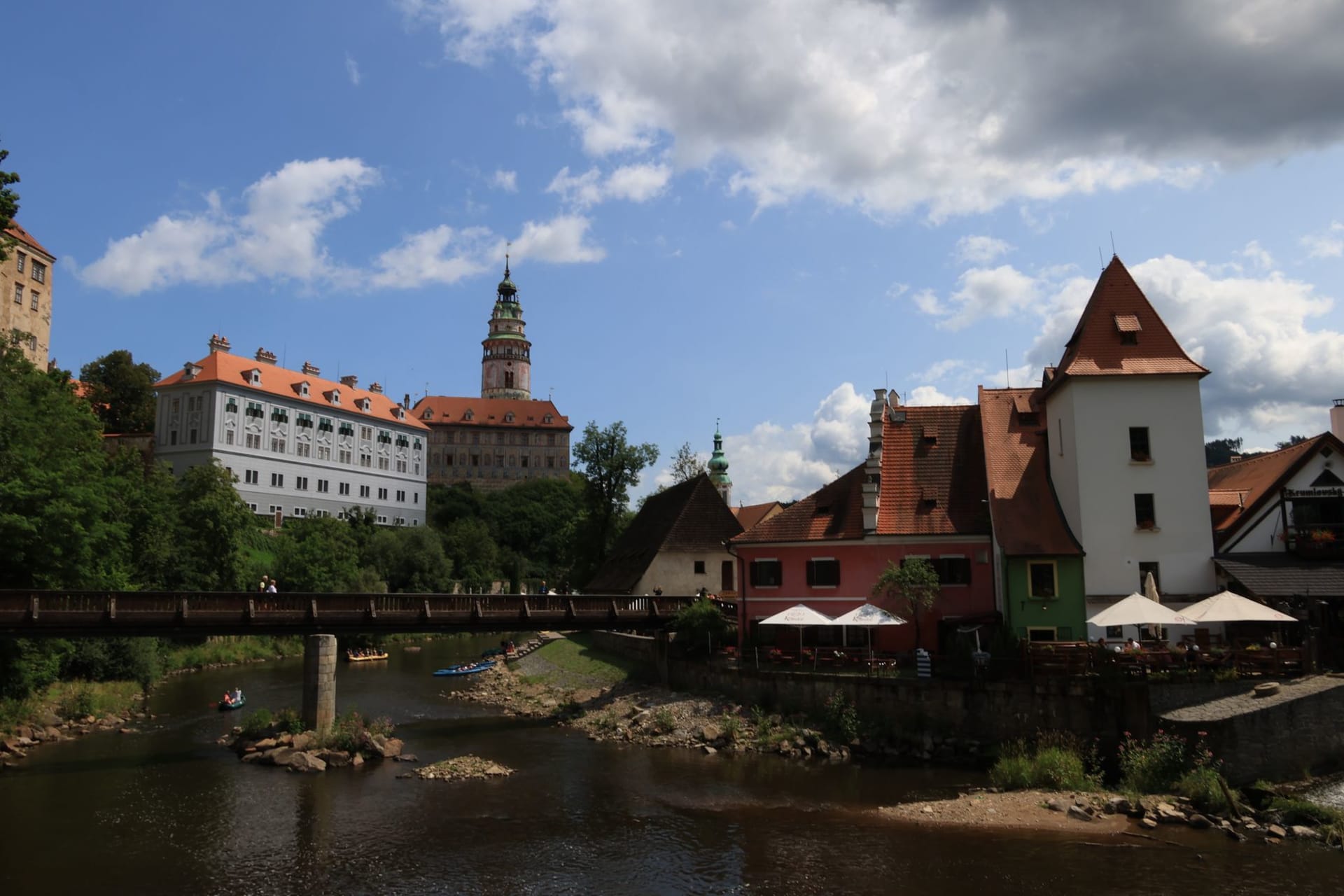
"Český Krumlov made me feel like I'd walked into a painting someone forgot to finish."
I came into Český Krumlov by bus from Linz, crossing the Austrian border into southern Bohemia as the spruce forest thickened on both sides of the road. The town announces itself suddenly — a medieval castle on a promontory, a river looping almost completely around it, a cluster of ochre and terracotta rooftops packed into the bend. I stood at the overlook above the Latrán quarter for a long time without taking a photograph. Some places resist being reduced to an image.
Bohemia is the western third of the Czech Republic, and it earns its distinct identity. The landscape is defined by the Šumava mountains along the Bavarian border — old-growth forest, glacial lakes, trails that go quiet after the first kilometre — and by the Bohemian Forest’s river valleys cutting north toward Prague. But the region’s real character lives in its small cities. Karlovy Vary is a fever dream of neoclassical colonnades lining a narrow gorge, where mineral springs bubble up at scalding temperatures and guests still carry porcelain cups to drink the waters as they stroll. The ritual is absurd and magnificent. I did it twice. Mariánské Lázně, quieter and greener, has the feeling of a sanatorium where the patients forgot to leave. In both towns, the architecture is so intact it takes effort to remember you’re not in 1910.
The food in southern Bohemia is honest and heavy in the way that makes sense after a morning in cold mountain air. Svíčková — beef sirloin in a cream sauce with bread dumplings and a spoonful of cranberry — is the dish to order, always, and the version I had at a wooden table in a Český Krumlov hospoda was the standard against which I now measure the others. Czech beer here is not a tourist attraction; it is the default beverage at every meal, served properly cold and slightly bitter, poured slowly by people who take it seriously.
When to go: May and September are ideal — long enough after Easter crowds, before high summer tour buses, and with enough light to walk the castle grounds at dusk. Late October is atmospheric if you can accept shorter days: the forests go gold, the spa towns empty out, and Bohemia retreats into the quieter version of itself that it probably prefers.
What most guides get wrong: They treat Bohemia as an extension of Prague, a day trip or a detour. It isn’t. The region has its own tempo, its own food logic, its own relationship with silence. You need at least four days here — two nights in Český Krumlov, one in Karlovy Vary, one somewhere in the Šumava if you have any interest in walking. The people who pass through in six hours and call it done have only confirmed their own impatience.