
Trabzon
"Trabzon is what happens when the Black Sea decides to have an opinion about everything, including your breakfast."
Turkey's Black Sea anchor — a working port city where anchovies perfume the air and a Byzantine church sits at the end of a tram line.

I came to Trabzon expecting a transit stop on the way to somewhere more photogenic, and I left three days later having eaten my way through what I now consider one of Turkey’s most underrated food cultures. The city announced itself from the coast road in the late afternoon — a dense tangle of apartment blocks climbing steep valleys, a port with container cranes, and, hovering on the hillside above it all, the hazy silhouette of what would turn out to be a Byzantine church. I had the familiar sensation of a place revealing itself slowly, withheld layers becoming visible only when you slow down enough to look sideways.
The hamsi — Black Sea anchovy — is Trabzon’s defining ingredient, and in the right season (late autumn, when the fish run fat and silver from the cold water) the city becomes briefly obsessed with it. I arrived in November by pure accident and found hamsi available in approximately thirty preparations: fried in cornmeal, baked in a dish with rice and dried fruit, grilled whole on sticks at the harbor fish market, pressed into bread and sold from carts near the bazaar. The fishmongers at the waterfront market display their catch on beds of crushed ice and behave with the pride of curators. I ate hamsi at every meal for two days. I was not bored once.

The Hagia Sophia of Trabzon — not Istanbul’s, this one built in the 13th century by the Trapezuntine empire — sits at the end of a coastal boulevard in a garden of roses and old plane trees. It is a fraction of Istanbul’s size and infinitely more strange: Byzantine frescoes visible through the converted mosque’s later Ottoman plasterwork, a floor mosaic worn smooth by centuries of footsteps, walls that hold the accumulated dark of a thousand years. Visiting in the early morning when the garden still holds mist from the sea, the church achieves something close to the feeling of genuine discovery. Outside, an old man was watering the roses with a hose, paying no attention to the thousand years of architecture behind him.
Kuymak is the dish that defines Black Sea Turkish cooking the way khachapuri defines Georgian: a bubbling skillet of cornmeal cooked with local butter and then pulled apart with two forks as the cheese — kaşar, melted into long strings — resists the separation. It arrives at the table still bubbling from a copper pan. You eat it with tea, always tea, the Black Sea tea from the terraced plantations above Rize that tastes sharper and earthier than anything from the Aegean.
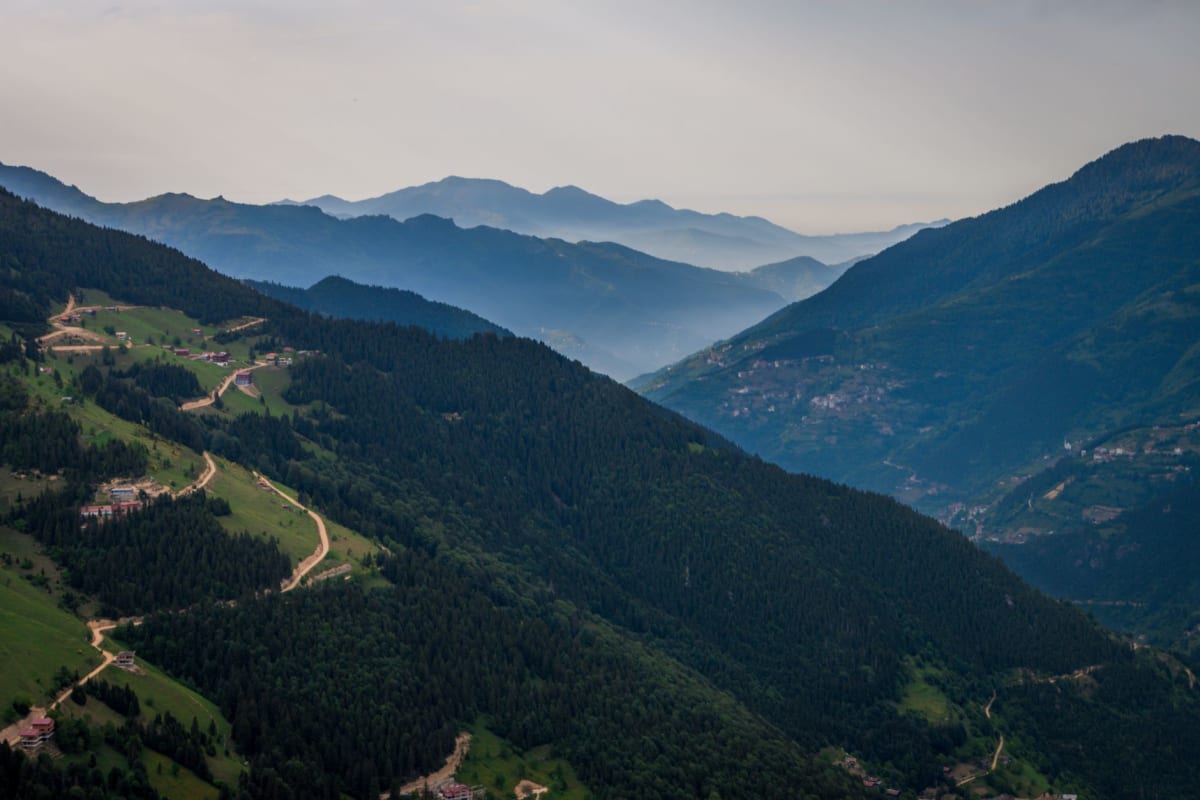
The sumela monastery, carved into a vertical cliff face in the mountains behind the city, is worth the one-hour drive if only to understand what extremity of religious devotion looks like made concrete. Byzantine monks built it into a rock face at 1200 meters above sea level, and the murals that survive on the cave chapel walls — saints with enormous eyes staring down through layers of age and weather — have the quality of something that was never really meant to be seen by many people. The road up through the beech forests turns copper in October. Trabzon, for all its noise and port-city commotion, keeps giving you reasons to look upward.
When to go: October through November for hamsi season and autumn foliage in the mountains. April through June is also excellent — green, warm, and well before the summer crowds that appear in July and August. Winter brings cold rain but the city’s covered bazaar and tea houses make it genuinely comfortable.
Keep exploring
More from Black Sea Coast
 black-sea-coast
Vama Veche
Romania's last village before Bulgaria — a beach commune that survived communism and mass tourism by being too strange for either to fully claim.
Explore black-sea-coast
Varna
Bulgaria's sea capital hides the world's oldest worked gold in a provincial museum and spends its evenings being unexpectedly glamorous.
Explore black-sea-coast
Amasra
A twin-bayed Genoese-walled port town on Turkey's Black Sea coast where Lia and I lost an entire afternoon to nothing but tea and tide.
Explore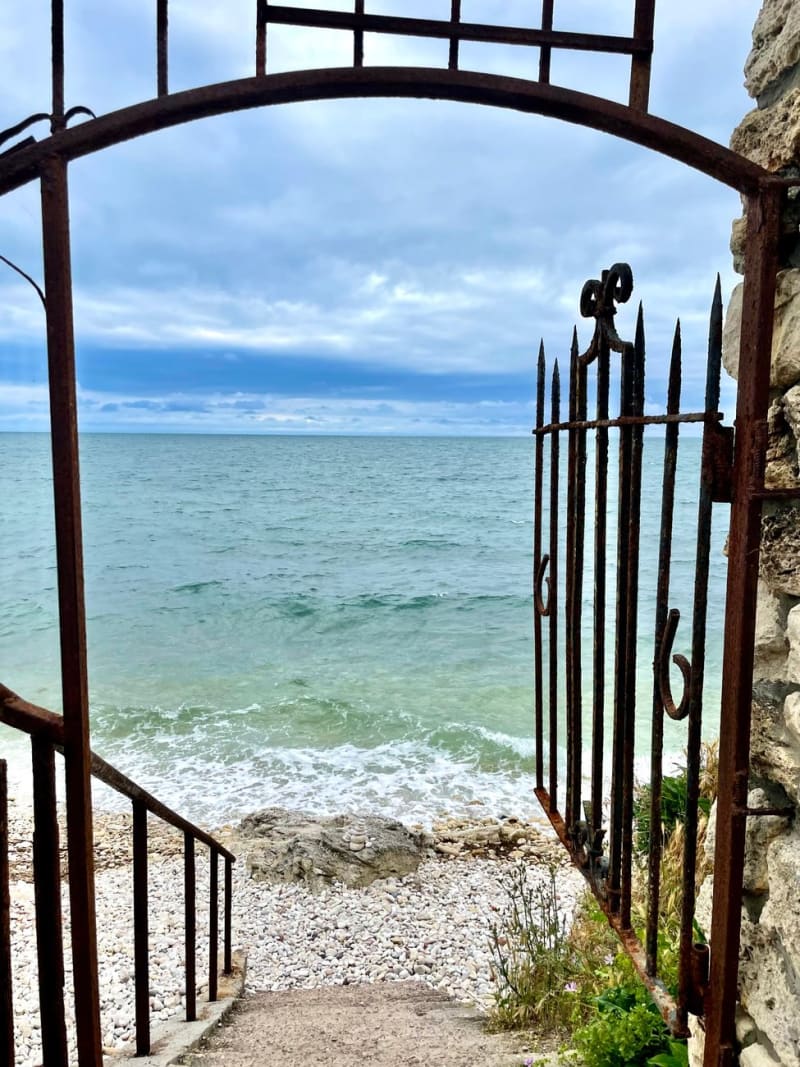 black-sea-coast
Balchik
A Bulgarian seaside town built up white chalk cliffs, where a Romanian queen once built a wandering little palace and a botanical garden that still feels like the loveliest folly on the whole coast.
Explore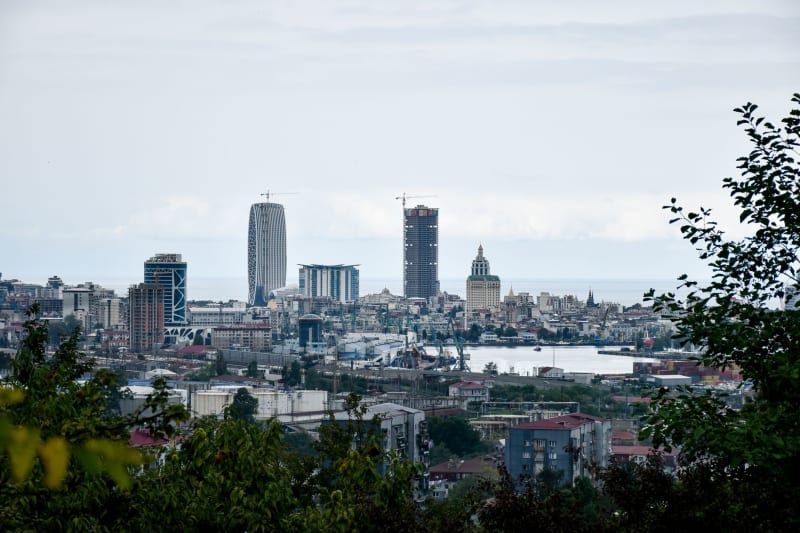 black-sea-coast
Batumi
Georgia's port city where a crumbling Art Nouveau old town coexists, uneasily, with a casino-lit waterfront that never sleeps.
Explore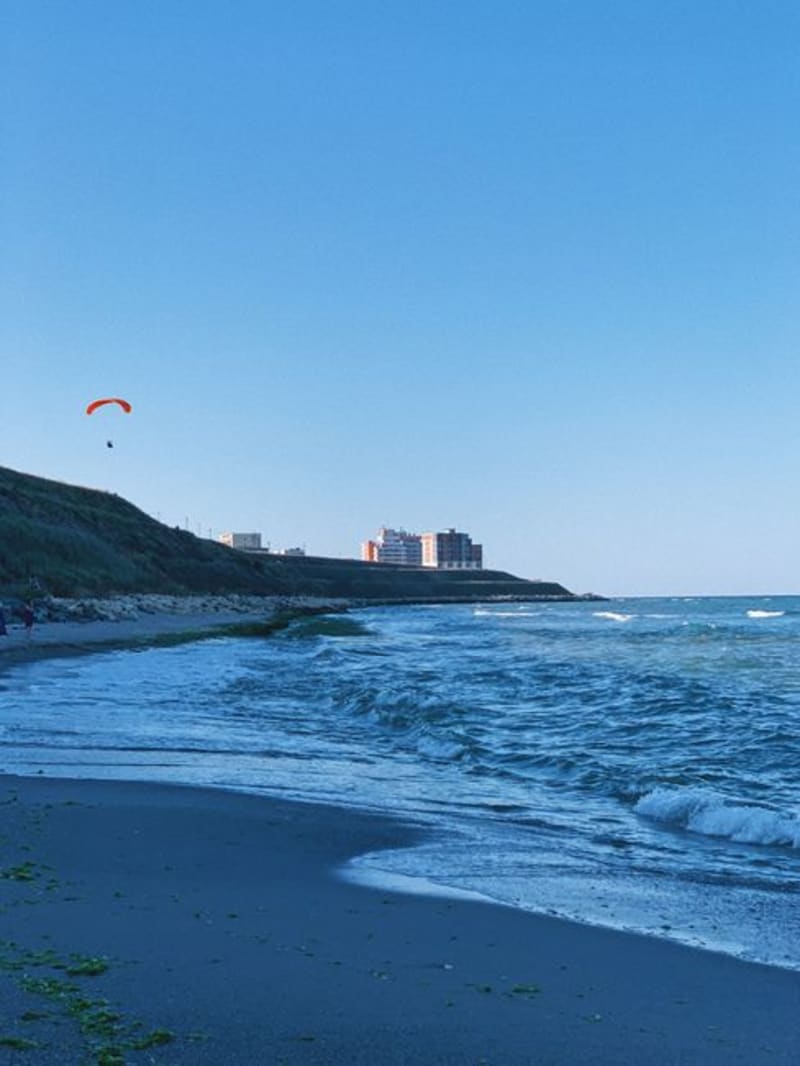 black-sea-coast
Constanța
A 2,600-year-old port where a Roman poet's exile, a crumbling Art Nouveau casino, and a Black Sea sunset all share the same square.
Explore