
Pendjari National Park
"The elephant looked at our vehicle for a long moment before deciding we weren't worth bothering with. I found that both humbling and correct."
One of West Africa's last truly wild places, where elephants still walk in herds and the silence has geological depth.

We left Natitingou before dawn and drove north through Tanguiéta as the harmattan sky turned from black to a deep orange-brown, the dust in the air giving the sunrise a diffuse, smeared quality that felt right for the landscape. By the time we entered the park it was fully light, and within twenty minutes of crossing the gate the guide had spotted a family of waterbuck at the river’s edge and, farther off, the gray geometry of elephants moving in single file through the mopane scrub. I had not expected to feel moved — I’d been to Kruger, to Amboseli, to parks with better infrastructure and more predictable sightings — but Pendjari has something those places lack: the sense of genuine remoteness, of a place where the wildlife is not managed for your convenience.
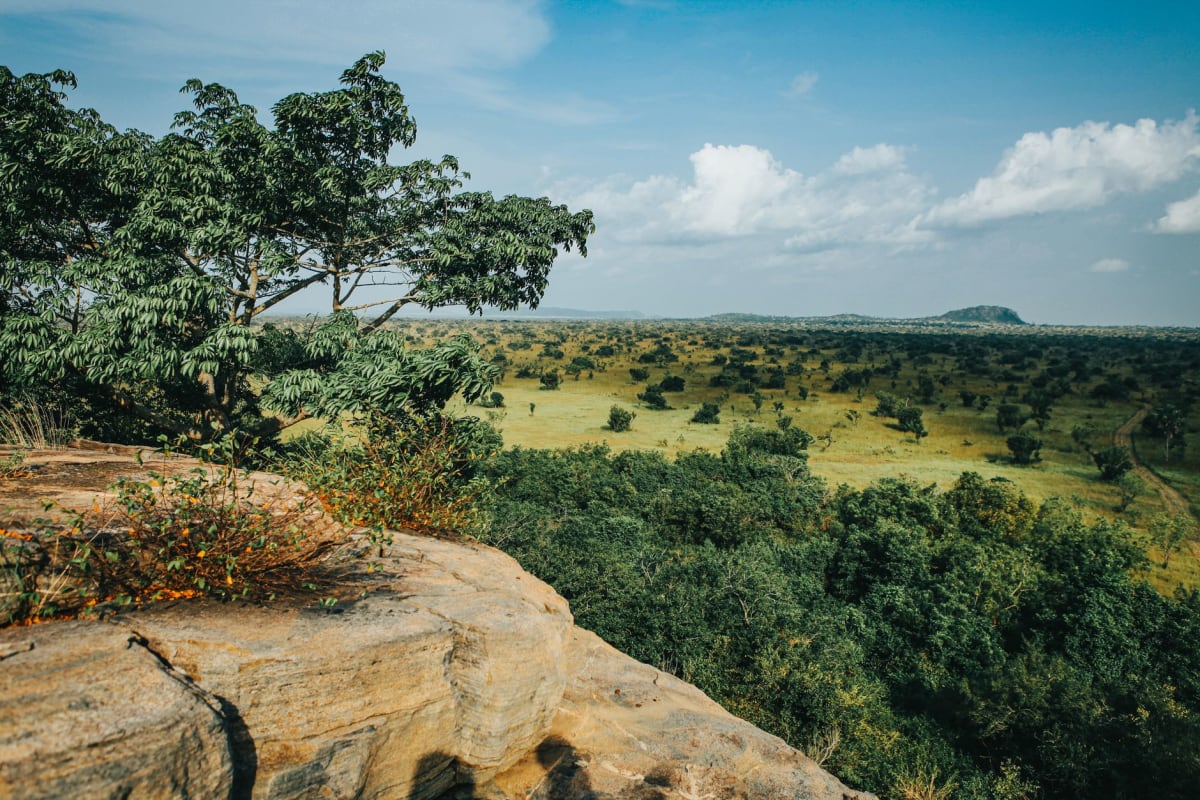
Pendjari is about 2,750 square kilometers of W-Benin National Park complex biosphere, sharing borders with Burkina Faso and Niger, part of one of the largest protected areas in West Africa. The park is known for having one of the last significant populations of West African lions — a subspecies that looks like it carries the memory of harder times in its face. We found two of them in the early afternoon, flat on their sides under an acacia, indifferent to our Land Cruiser in a way that felt philosophically instructive. My guide Joseph had been working in Pendjari for eleven years and had the specific attentiveness of someone whose knowledge is entirely self-earned: he tracked a leopard’s route through a dry watercourse by reading broken twigs and the direction claw marks faced on a tree trunk, explaining in a quiet voice as if translating from a language I was just beginning to learn.
The park is at its best from December through June, before the rains close the tracks. In the dry season the vegetation pulls back and the rivers contract to isolated pools, and the animals concentrate around the water with an honesty that feels almost embarrassing to observe — the hippos wallowing shoulder to shoulder at the Pendjari River crossing, the crocodiles sunning themselves nearby with the patience of objects, the yellow baboons doing whatever it is baboons always seem to be urgently doing. At night from the camp, with the generator turned off and the stars genuinely extraordinary in the harmattan dark, I could hear lions calling from somewhere across the plain.

The camp at Tanguiéta serves as the main base for park visits, and the operators who work legally through the park’s management system are serious about what they’re doing — Pendjari has seen real recovery in lion and elephant populations over the last decade after a near-collapse during political instability, and the guides treat that recovery with appropriate gravity.
When to go: December through May is the prime wildlife season, with January through March offering the best visibility when vegetation is at its driest. Avoid July through September when the tracks flood and the park essentially closes. Book guides and accommodation in Tanguiéta at least two weeks ahead in high season.
Keep exploring
More from Benin
 benin
benin Porto-Novo
Benin's official capital moves at a slower pace than Cotonou, wearing its Brazilian and colonial layers openly.
Explore benin
benin Possotomé
A fishing village on Lake Ahémé where hot springs bubble at the water's edge and life runs on the rhythm of the pirogue.
Explore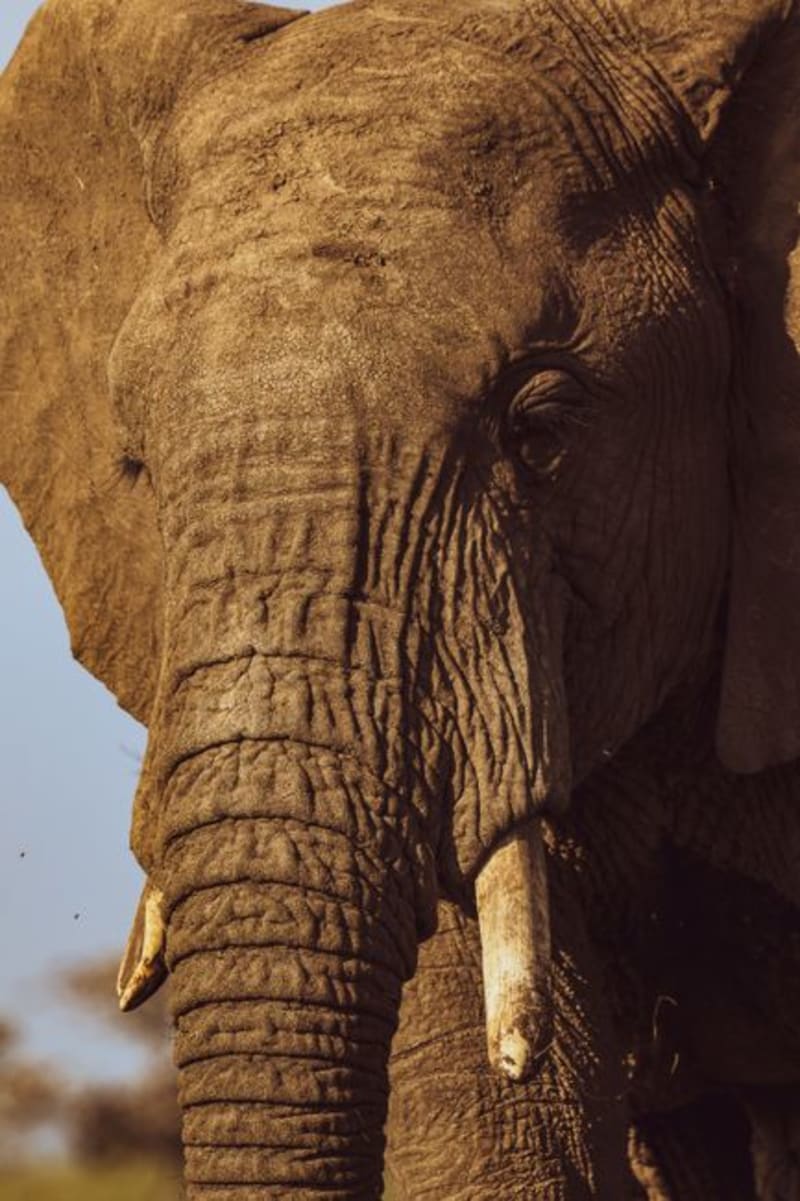 benin
benin W National Park
A wedge of Sudano-Sahelian wilderness shaped by the Niger River's W-bend, where elephants still cross borders no one else respects.
Explore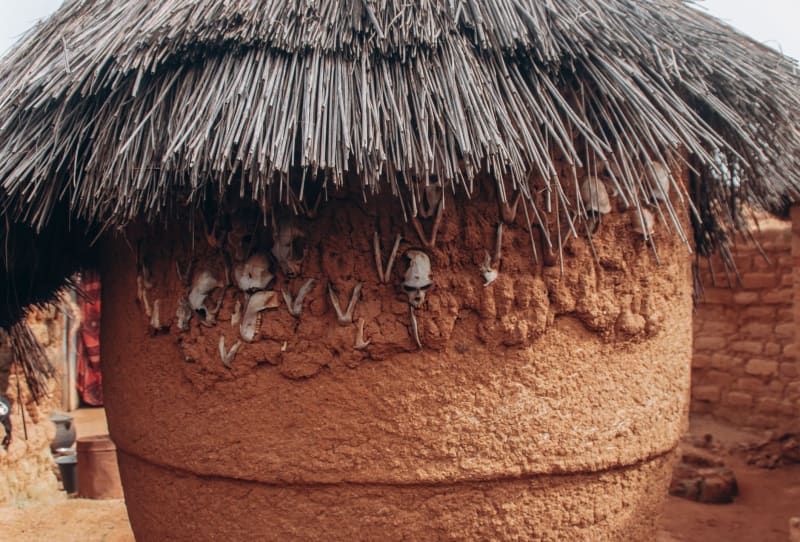 benin
benin Abomey
The capital of a kingdom whose palaces still stand and whose history refuses to be made comfortable.
Explore benin
benin Boukoumbé
A scattered hill town in the Atakora where the Batammariba people still build the tata somba — fortified two-storey houses of mud that look like small castles and are stranger and older than anything in the guidebooks.
Explore benin
benin Cotonou
Benin's chaotic economic engine — not beautiful exactly, but rewarding in the way that honest, unpolished cities always are.
Explore