Dassa-Zoumé
"I climbed the sacred rock at Dassa and found a Catholic grotto at the top and an animist shrine twenty meters below it. Nobody seemed to find this contradictory."
The granite boulders of Dassa-Zoumé appear suddenly from the flat middle-Benin plains like something forgotten there by a larger, more dramatic landscape. They are not enormous — the highest is around three hundred meters above the town — but in this context, rising from red-earth farmland with no warning, they are astonishing. I arrived by bush taxi from Bohicon in the late afternoon and the light was already angled enough to turn the bare rock faces orange, and I stood at the edge of the market square just looking for several minutes while the motorcycle taxis beeped around me.
Dassa-Zoumé is one of the principal Catholic pilgrimage sites in West Africa — Our Lady of Arigbo, a Marian shrine in a natural cave on the main inselberg, draws pilgrims from Benin, Togo, Nigeria, and beyond, particularly around August 15th. The climb up is on stone steps cut into the rock, lined by the Stations of the Cross in painted concrete reliefs, and at the cave itself candles have been burning long enough to blacken the rock above. But three meters away from the cave, on a ledge looking out over the valley, I found a Vodou shrine: clay pots, white cloth, the traces of libations, iron staffs driven into cracks in the rock. My guide Emmanuel said that in Dassa this was normal — the rocks are sacred in the older religion too, and the mountain holds both traditions with the indifference of a place that was holy long before anyone decided what to call it.
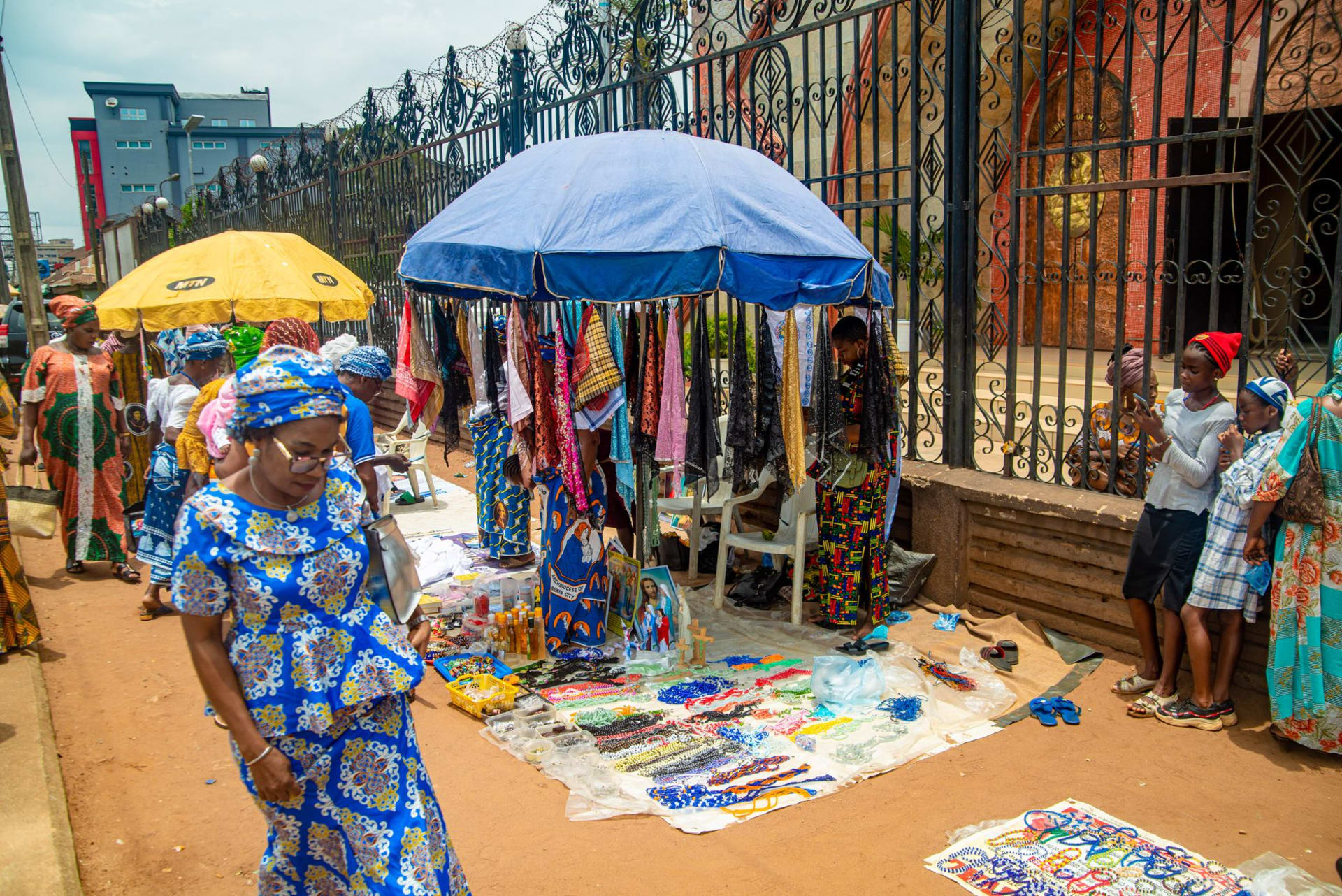
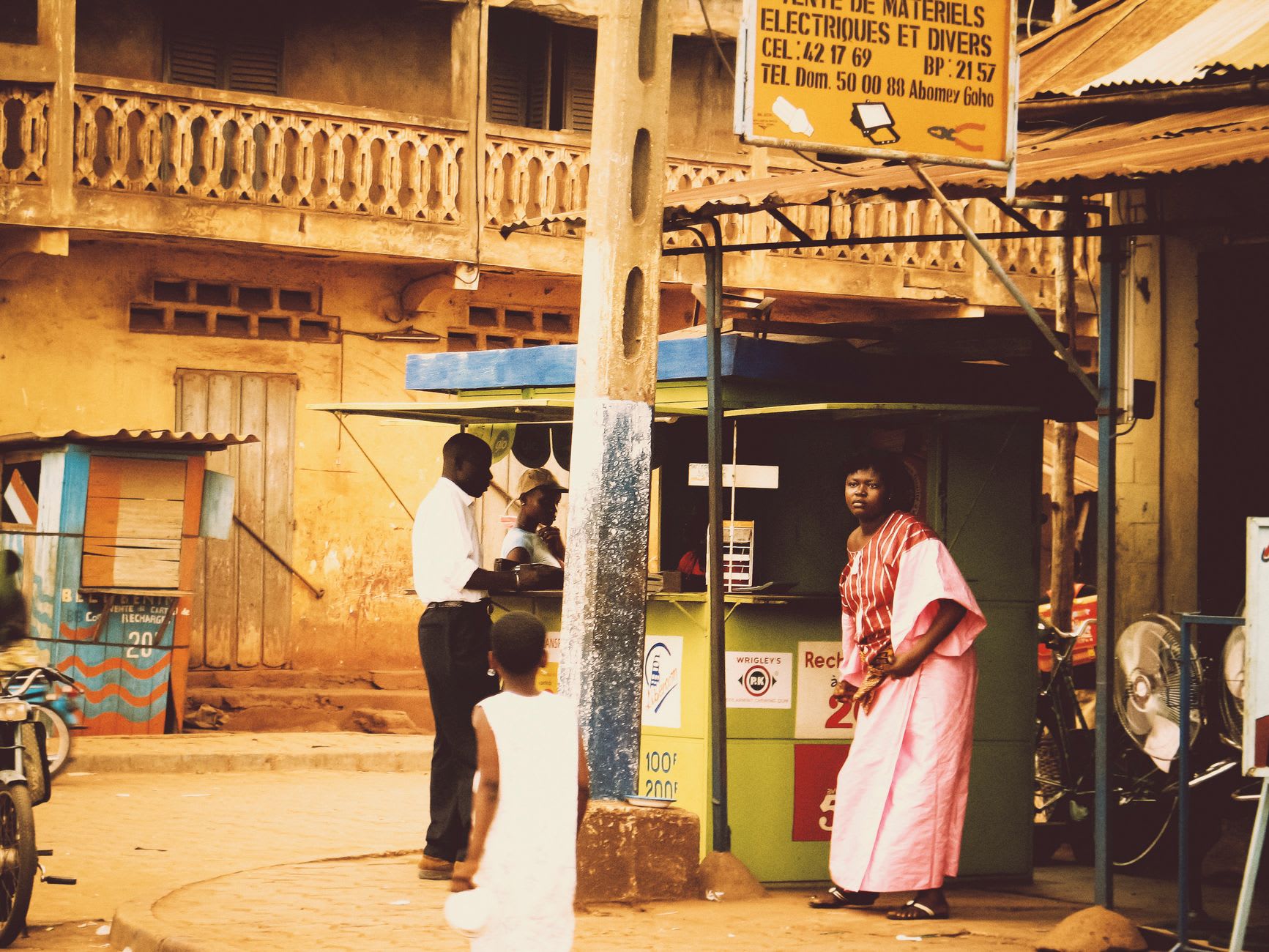
The town itself exists in a comfortable symbiosis between its pilgrimage economy and its ordinary weekly life. The market on Wednesdays is a proper regional market — farmers from the surrounding villages bringing cassava, yams, groundnuts, and live chickens in wicker cages — alongside stalls selling rosaries, Marian statues, and the small painted medals that pilgrims buy. I ate akassa — fermented corn dough wrapped in banana leaf — from a woman near the market, standing up because there was nowhere to sit, and it was nutty and slightly sour and tasted like somewhere specific.
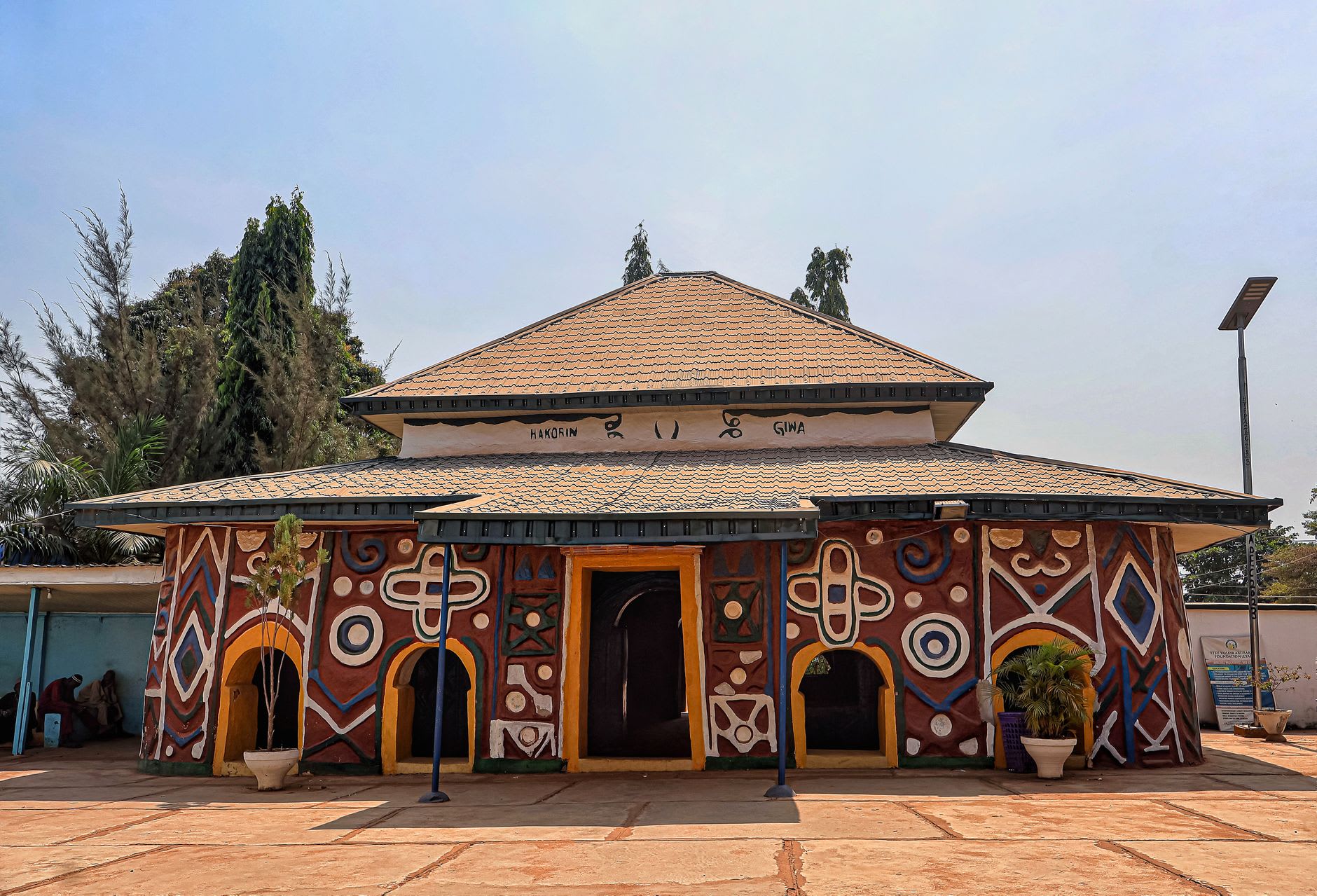
There are simple auberges in town and a few guesthouses near the pilgrimage route. The rocks can be explored on foot — some require scrambling rather than actual climbing — and the views from the higher points across the surrounding plains on a clear dry-season morning are the kind that make you understand why people decided these places were sacred before they had theological language to explain why.
When to go: November through April is the most comfortable. The major pilgrimage (August 15th) is fascinating but accommodation must be booked far in advance — the town’s capacity is overwhelmed. December to February gives the best clarity for views from the summits. Dassa works well as an overnight break midway between Cotonou and Parakou.