
Belize City
"They told me to take a taxi everywhere and stay behind the museum. I walked instead, and nothing happened except the city."
A colonial Caribbean port that everyone advises you to skip quickly and that repays the hour you spend not skipping it with canals, wooden architecture, and the slow theater of the swing bridge.

The City Everyone Rushes Through
Belize City gets a bad reputation and some of it is earned. The crime statistics that tour operators cite aren’t invented. The poverty in certain neighborhoods is real and visible. Every piece of printed travel advice tells you to get in and get out — book the transfer to Ambergris or the bus to San Ignacio and don’t linger.
I ignored this and spent a day and a half walking, and the city I found was specific and layered in a way that the islands are not. It is the former capital — hurricanes Hattie (1961) and Greta (1978) drove the administrative center to the purpose-built Belmopan — and it carries that residual status with some dignity and some neglect. The old wooden buildings along the seafront and the Southern Foreshore have faded to beautiful. The canals smell of the sea. The light in the early morning, before the traffic builds, is amber and specific.
The Swing Bridge
The Belize City Swing Bridge is the last manually operated swing bridge in the Americas still in regular use, or so I have read in enough places to take it as probably true. It crosses Haulover Creek twice a day — around 6 a.m. and 5:30 p.m. — pivoting on a central pylon to let taller vessels pass. A crew of men turns the bridge by hand using long metal poles.
I arrived at the morning opening without planning to. I was walking to the market and heard the chain of preparation sounds — a bell, shouting, an engine backing off — and turned a corner to find fifty people waiting on both sides of the creek while the bridge swung. It takes about fifteen minutes. Nobody seemed inconvenienced. People talked to each other or checked their phones or simply stood, in that easy patience that you see in places where time is not the dominant concern.
The bridge has been here since 1923. It connects the commercial center south of the creek to the Fort George neighborhood north of it. Crossing it on foot feels momentous in inverse proportion to the distance covered.
The Fort George Quarter
North of Haulover Creek, the Fort George neighborhood is where the old colonial infrastructure concentrated: the Supreme Court building, the Anglican cathedral (the oldest church in Central America, completed 1847), the Museum of Belize in the old colonial prison, the Baron Bliss Memorial on a small point overlooking the harbor.
Baron Bliss himself is worth a paragraph: an eccentric Portuguese-English yachtsman who arrived in Belize City in 1926 while ill, anchored in the harbor for two months without going ashore, was treated with great kindness by locals who brought him food and company, and died on the yacht before he could land — leaving most of his estate to the country. Belize City celebrates Baron Bliss Day every March 9. There is something about this story that seems to perfectly encapsulate how foreigners and Belize have always related to each other.
The Market and the Waterfront
The Municipal Market near the Swing Bridge is a proper covered market with produce, meat, fish, and cooked food. Women sell tamales wrapped in banana leaves from coolers. There are stalls with dried chiles, with avocados piled in pyramids, with the bright orange habaneros that appear in Belizean cooking with an enthusiasm borrowed from the Yucatán.
I ate at a lunch counter inside the market: rice and beans with stewed chicken, a glass of watermelon juice, change from a Belizean five dollar bill. The women running the stall spoke to each other in Kriol and to me in English and to the man next to me in Spanish without any particular shift in register. Belize City is a multilingual city in a way that most small capitals are not, and the market is where you hear all of it at once.
When to go: December through April is the dry season and the most comfortable time, with lower humidity and reliable sun. The city is a practical transit hub year-round — most travelers pass through Phillip Goldson International Airport and the ferry terminal regardless of season. Plan to arrive early if you’re taking the water taxi to the cayes; the morning boats run on schedule in a way that Belize does not always guarantee.
Keep exploring
More from Belize
 belize
Caracol
Deep in the Chiquibul Forest, Belize's largest Maya city hides a pyramid taller than the jungle canopy itself.
Explore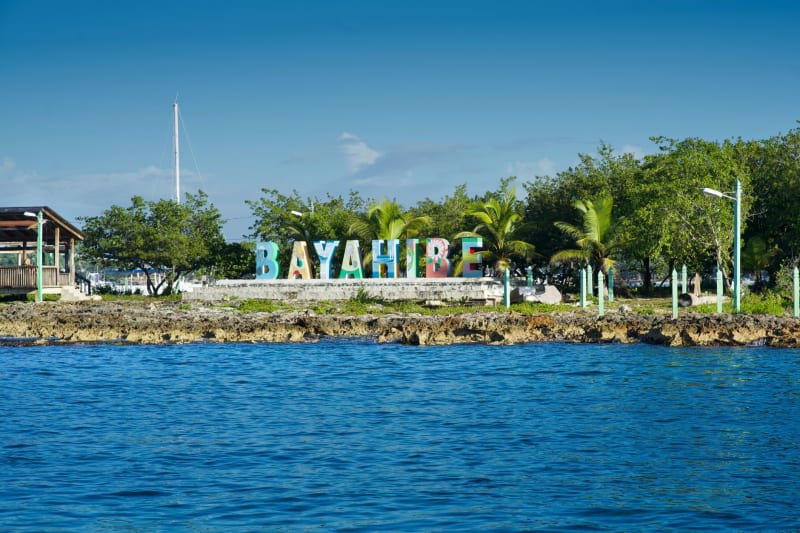 belize
Caye Caulker
A sand-street island where the only rule is painted on every fence post — Go Slow — and the Caribbean does most of the enforcing.
Explore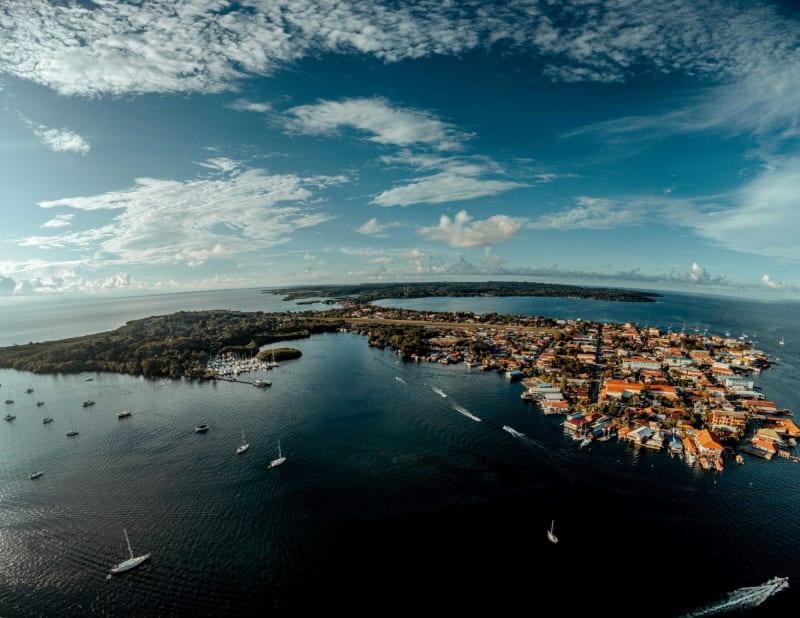 belize
Belize City and Cayes
A string of Caribbean cayes sit atop the world's second-largest barrier reef, with the Great Blue Hole offshore.
Explore belize
Cockscomb Basin Wildlife Sanctuary
The world's first jaguar reserve, where Maya Mountain trails climb to waterfalls and Victoria Peak watches over 150 square miles of silence.
Explore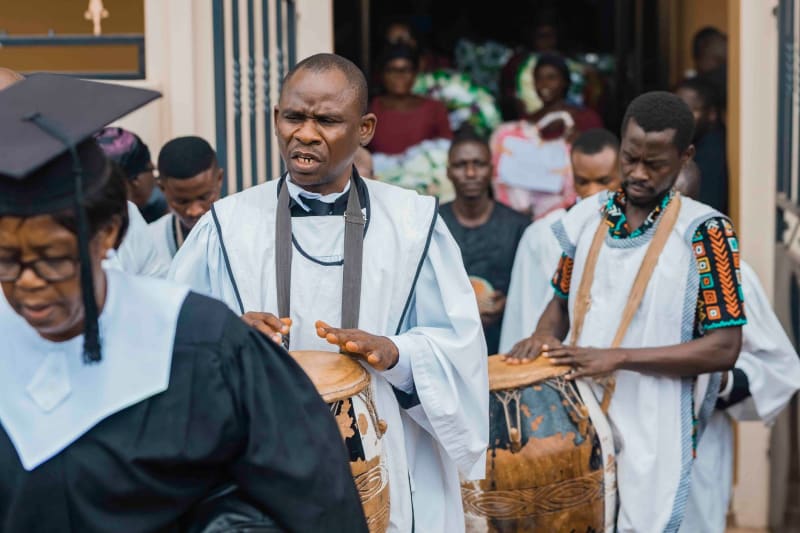 belize
Dangriga
The self-declared cultural capital of the Garifuna world, where Settlement Day is less a holiday than an annual act of reclamation, and the drumming never really stops.
Explore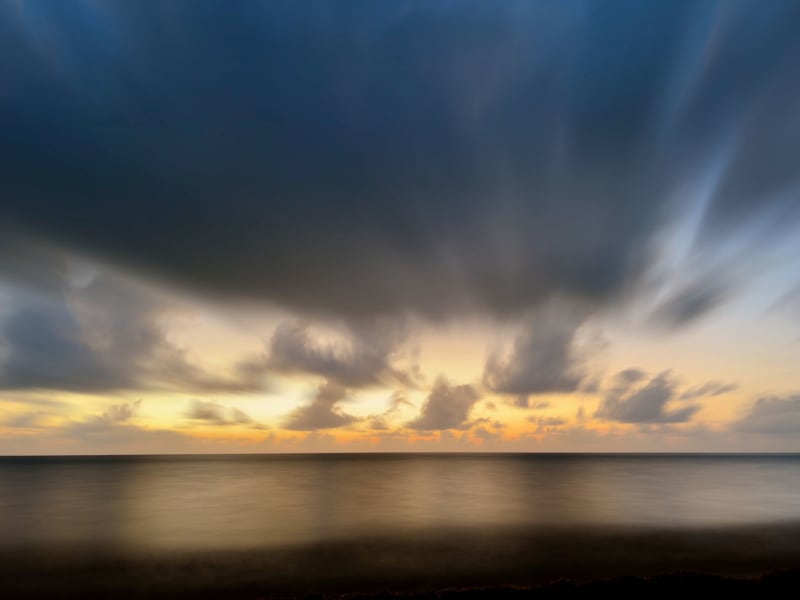 belize
Hopkins
A Garifuna fishing village where punta drums carry down the beach after dark and the cassava bread is still made by the same women who made it thirty years ago.
Explore