Ypres (Ieper)
"I've stood under a lot of monuments. None of them made me stop talking mid-sentence like the Menin Gate did."
A rebuilt Flemish town where every evening at 8pm, buglers still sound the Last Post for the dead of a war that ended a century ago.
I’ll admit I almost skipped Ypres. Lia and I were doing a loop through West Flanders, mostly chasing beer and gabled town squares, and a WWI memorial town felt like a detour into homework. Then a Belgian friend in Ghent told me, flatly, “you go to the Menin Gate at eight, no excuses,” and I understood pretty quickly why he said it that way. We got there a little early, found a spot under the arch, and watched the crowd go quiet on its own — no announcement, just people sensing what was about to happen and shutting up for it.
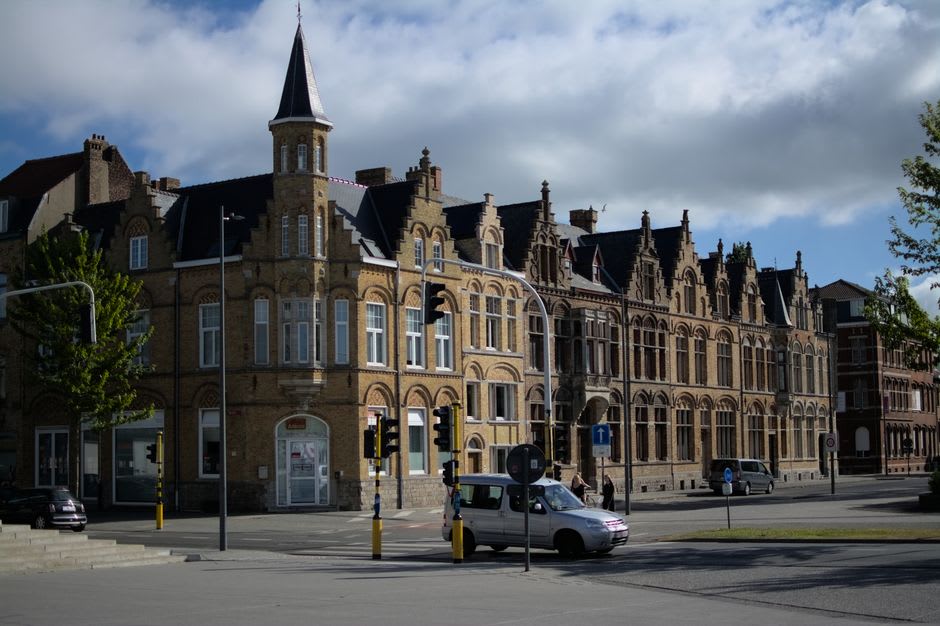
What gets me about Ypres is that almost nothing you’re looking at is actually old. The Cloth Hall, this enormous 13th-century Gothic guild building that anchors the main square, was pounded into rubble during the war — I’d seen the photos in the museum inside it, and the town in 1919 looks like the surface of the moon. Belgians rebuilt it stone by stone from the original plans anyway, which felt to me like an act of stubbornness as much as restoration. We spent close to three hours in the In Flanders Fields Museum that now fills it, and I came out of there more shaken than I expected from a rebuilt building.
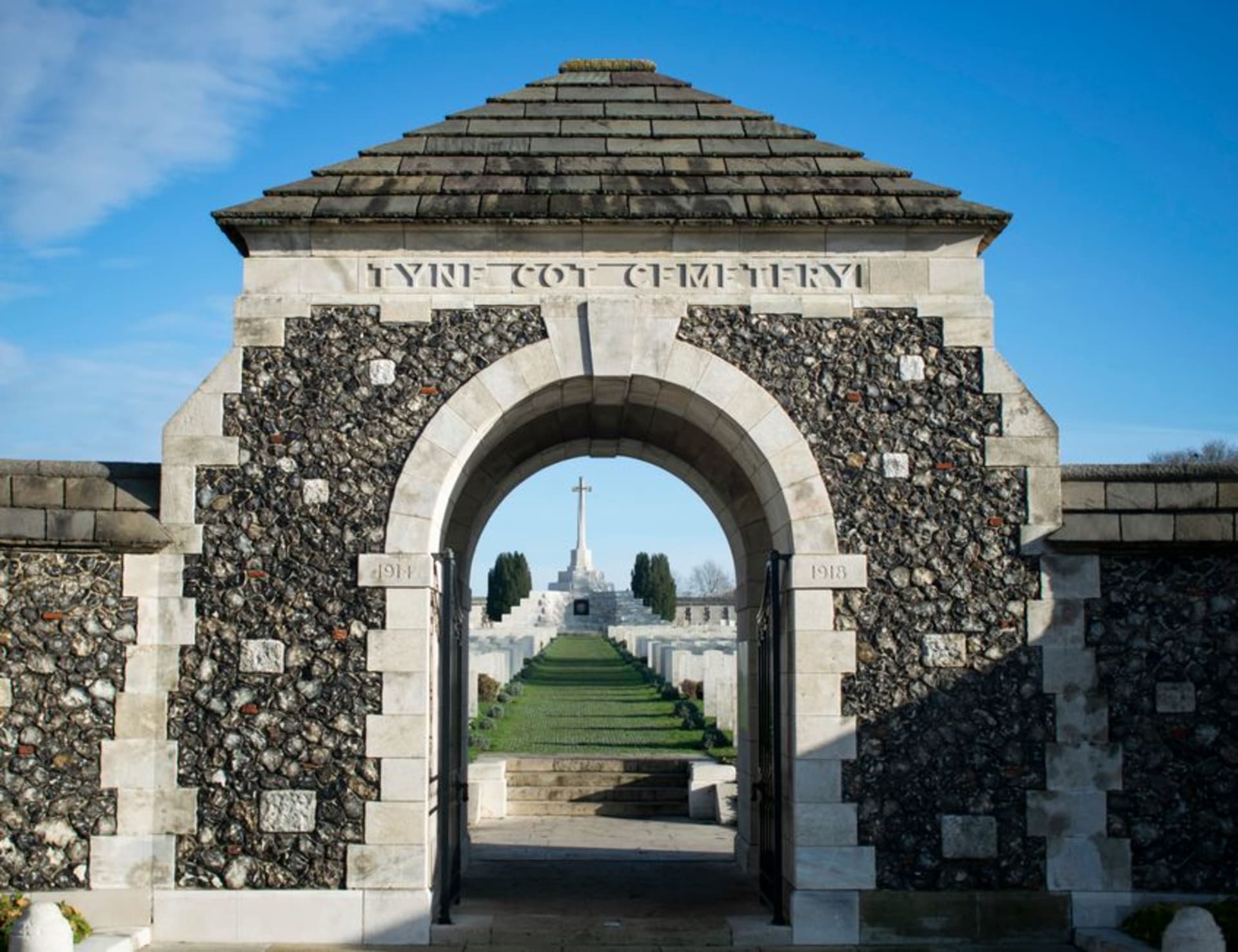
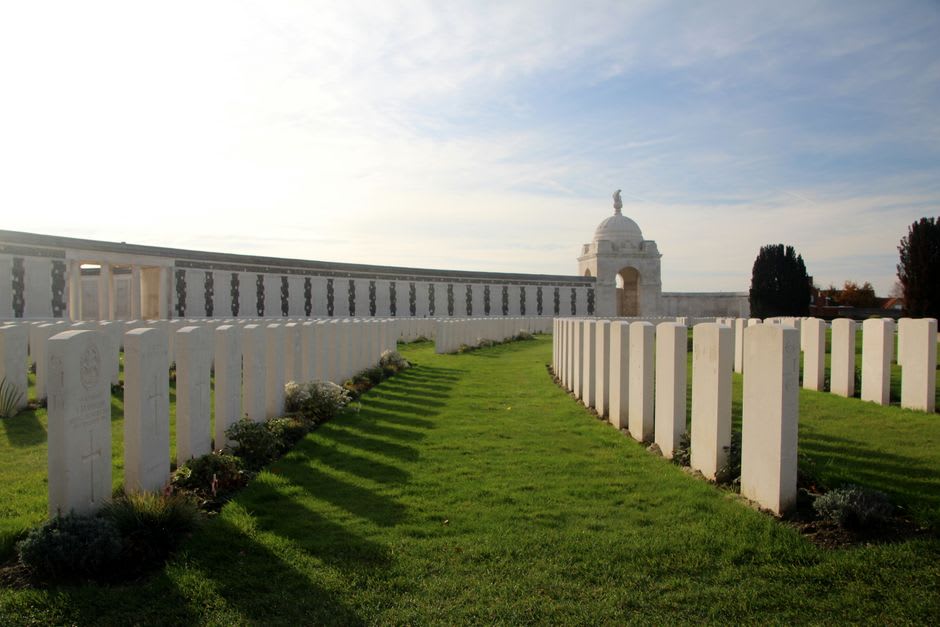
But the Menin Gate is the thing I keep coming back to when people ask about Belgium. More than 54,000 Commonwealth soldiers with no known grave are named on its walls, and since 1928 — minus the German occupation, when of course it wasn’t allowed — local buglers have played the Last Post there every single evening at 8pm. Every evening. Lia squeezed my hand at one point without either of us saying anything. Afterward we walked out past Tyne Cot, the largest Commonwealth war cemetery in the world, close to 12,000 white headstones in rows that don’t seem to end, and I remember just standing at the edge of it for a while before either of us could talk about lunch.
We stayed two nights in a small guesthouse just off the square, ate too many frites with andalouse sauce, and went back to the Gate a second evening mostly because we wanted to see it again, not out of any sense of obligation. Ypres isn’t a detour. It’s one of the few places I’ve traveled where the whole town seems to have organized itself around the act of remembering, and doing it well.
When to go: The Last Post sounds at the Menin Gate every evening of the year, rain or shine, so there’s no wrong season to witness it — though if you visit in late June, around the anniversary of the 1917 Battle of Passchendaele, expect a fuller crowd and a heavier atmosphere.