Pripyat Marshes
"In Polesie, the sky has more authority than the land — and the land is fine with that."
The boat left at seven in the morning, which in May meant leaving in full, cool light. The Pripyat River here in the south of Belarus — in the region Belarusians call Polesie, “the place of forests” — runs through a floodplain so flat and so wide that you cannot see where the water ends and the sky begins. The boatman, a man of approximately sixty in rubber boots and a Soviet-era anorak, said almost nothing for the first hour. We passed stands of alder and willow trailing their branches in the current. A black stork lifted from a dead tree and moved away from us in long, slow wingbeats. Cranes called from somewhere out of sight in the reed beds. I understood very quickly that this was not a place organised for human convenience and that this was precisely its value.
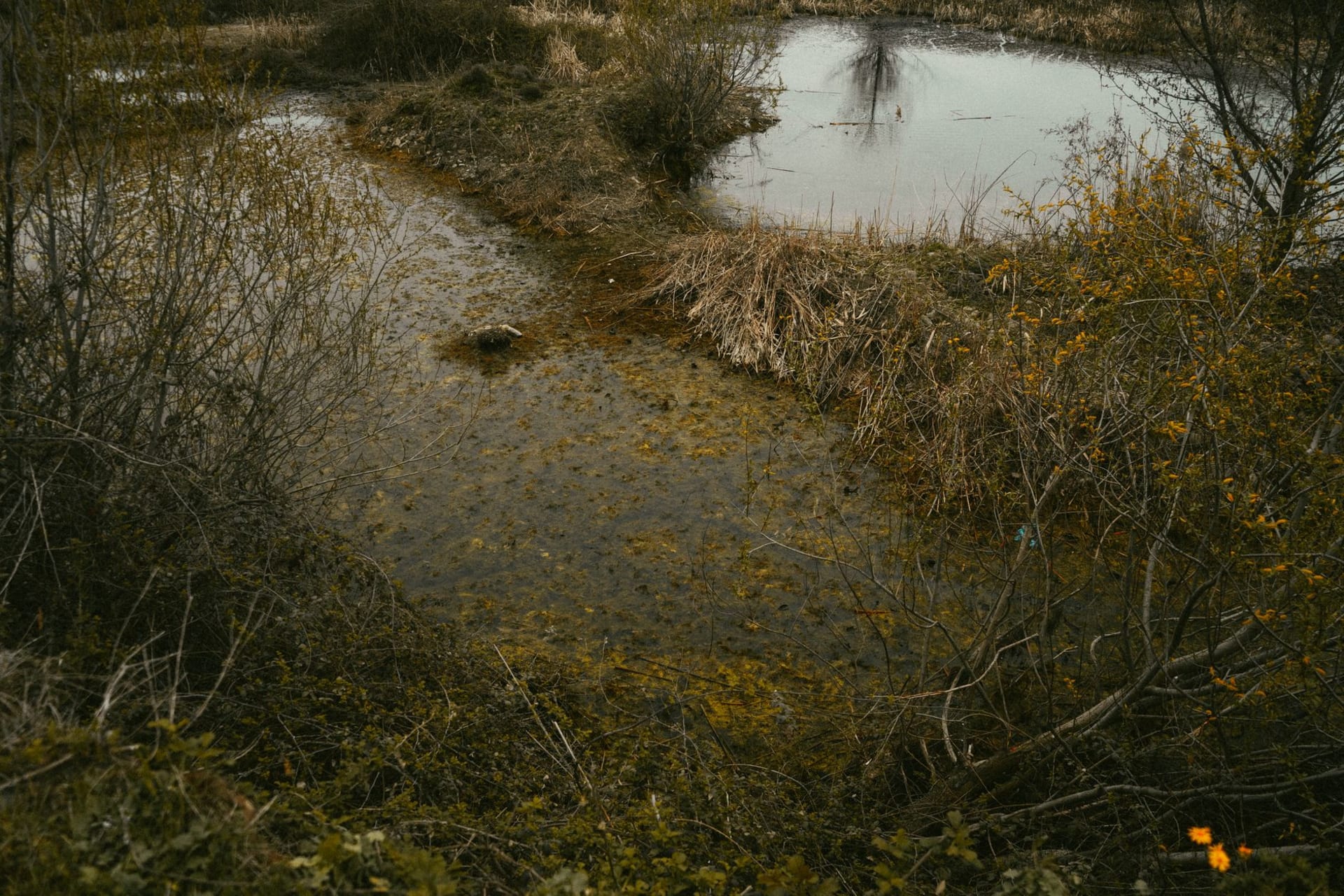
The Pripyat Marshes — Pripyatsky National Park in the south of Belarus — constitute one of the last great wetlands of Europe. Before the Soviet drainage projects of the 1960s and ’70s, they were larger still; what remains covers over two million hectares and shelters populations of bird species that have been pushed out of most of Western Europe: aquatic warblers, white-tailed eagles, black storks, corncrakes, spotted eagles. The mammal list includes beaver, otter, lynx, wolf, and the rare European mink, which has been functionally extinct in Western Europe for decades. The park exists in a state of semi-wildness that is unusual for a protected area — inhabited by small villages of Polesian people who have been fishing, hunting, and harvesting the wetlands on their own schedule for centuries.

The boatman took me upstream to a section of the floodplain that had been inundated by spring water — which here is not a flood but a seasonal event, expected and used. White storks waded in the shallows feeding with the focused efficiency of birds that know exactly where they are in the world. He pointed at a beaver lodge on the bank and said something in Belarusian that I took to mean “big one,” and indeed the lodge was considerable — a mound of branches the size of a car. We sat in the boat for a while watching nothing in particular happen, which is the particular pleasure of wetland watching: you train yourself to stillness and the world fills up with things that were always there.
The village of Turov, on the edge of the national park, has a modest guesthouse and a local guide service that handles the river excursions. Turov is also an ancient town — it was the capital of the Turov principality in the eleventh century, and the ruins of that medieval history are still visible in the old cemetery, where stone crosses of extraordinary age lean in the long grass. The local cooking here is marsh-country cooking: fish — always fish, smoked or fresh or dried — and mushrooms gathered from the alder forests, and a potato soup that arrives in a clay pot with a slab of dark bread and a knob of butter. It is the most direct meal I ate in Belarus, and the most appropriate.

When to go: May is the best month — the spring floods are receding, migratory birds are at peak numbers, and the floodplain wildflowers are extraordinary. September and October are good for mushroom-picking and quieter wildlife watching. Summer (June–August) is warm and accessible but bird numbers are lower and the mosquitoes are enthusiastic and well-organised.