Europe
Belarus
"The most European city you've never been to, and almost no one goes."
I arrived at Minsk train station on a Tuesday evening in October and stood on the platform long enough to make the conductor nervous. The building — enormous, socialist-realist, marble-clad, and floodlit in pale gold — looked like someone had dreamed the twentieth century at maximum volume and then had the resources to actually build it. This is Belarus: not quite what you expected, and more specific than anything you read about it.
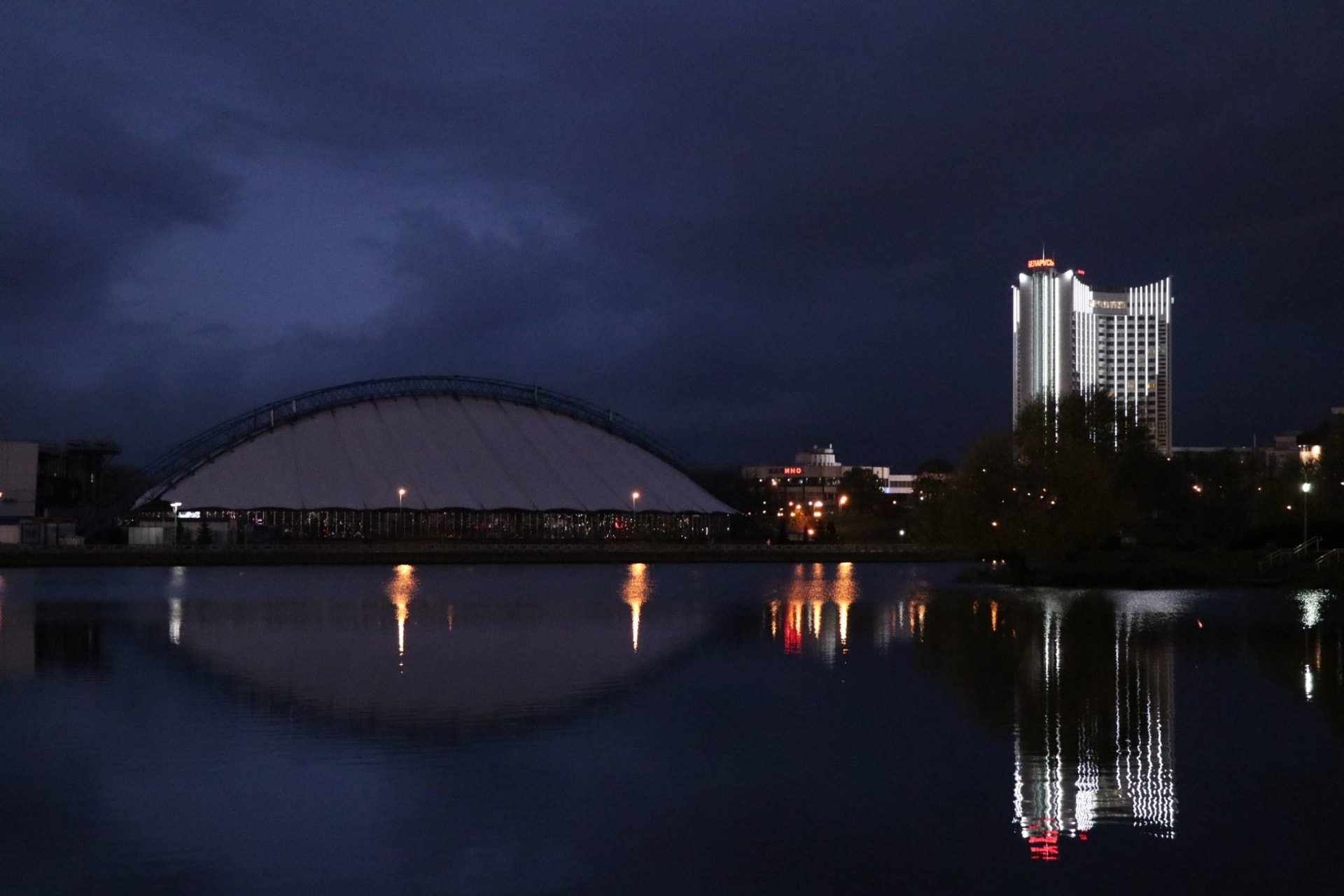
Minsk is one of the stranger cities in Europe to walk around. Stalin razed it during the war and rebuilt it as a showcase of Soviet urban ambition — broad boulevards, symmetrical façades, granite plinths, and parks that feel designed for a population twice the size of the actual one. The result is oddly beautiful. There is almost no clutter. The architecture has a conviction that most European capitals have quietly dismantled. The food hall at GUM, the state department store, sells pickled everything in jars the size of your head, and the draniki — potato pancakes, thick and crisped at the edges, served with sour cream at a tiny table by a woman who refills your tea without asking — are among the better meals I have eaten anywhere. The old town district of Troitskoye Predmestye, reconstructed and a little too tidy, is the one concession to conventional charm. It looks like a movie set, but it works as a breathing space between the monuments.
Outside Minsk, the country opens into something else entirely. The Białowieża Forest — shared with Poland and one of the last primeval forests in Europe — sits on the western border and contains European bison, centuries-old oaks, and the kind of silence that accumulates in layers. I went in the late afternoon when the light went low and amber through the canopy, and I understood why people describe it in terms that sound excessive until you are actually standing inside it. The Mir and Nesvizh castles, both UNESCO sites and genuinely impressive in scale and condition, are easily reachable by day trip and almost never crowded.
When to go: May and June are the sweet spot — temperatures between 15 and 22°C, lilacs and linden trees in bloom throughout Minsk, and the long northern evenings that give everything an extra hour of good light. September works equally well: the forest turns, the summer visitors have gone, and the city feels like it belongs to itself again. Avoid January and February unless you are specifically interested in ice and darkness, which has its own appeal.
What most guides get wrong: They frame Belarus purely as a political story, which means they either avoid it entirely or treat a visit as a form of rubbernecking. What they miss is that the country is genuinely, specifically beautiful — architecturally, ecologically, and in the detail of daily life that you find when you slow down enough to sit in a café on Prospekt Nezavisimosti and watch the city move around you. The visa situation has improved considerably for many nationalities with the e-visa system. The Belarusian draniki will ruin you for lesser potato dishes for months. These are facts worth knowing.