Yammouneh
"The world is complicated down in the valley. Up here, at Yammouneh, it simplifies into wind and water and stone."
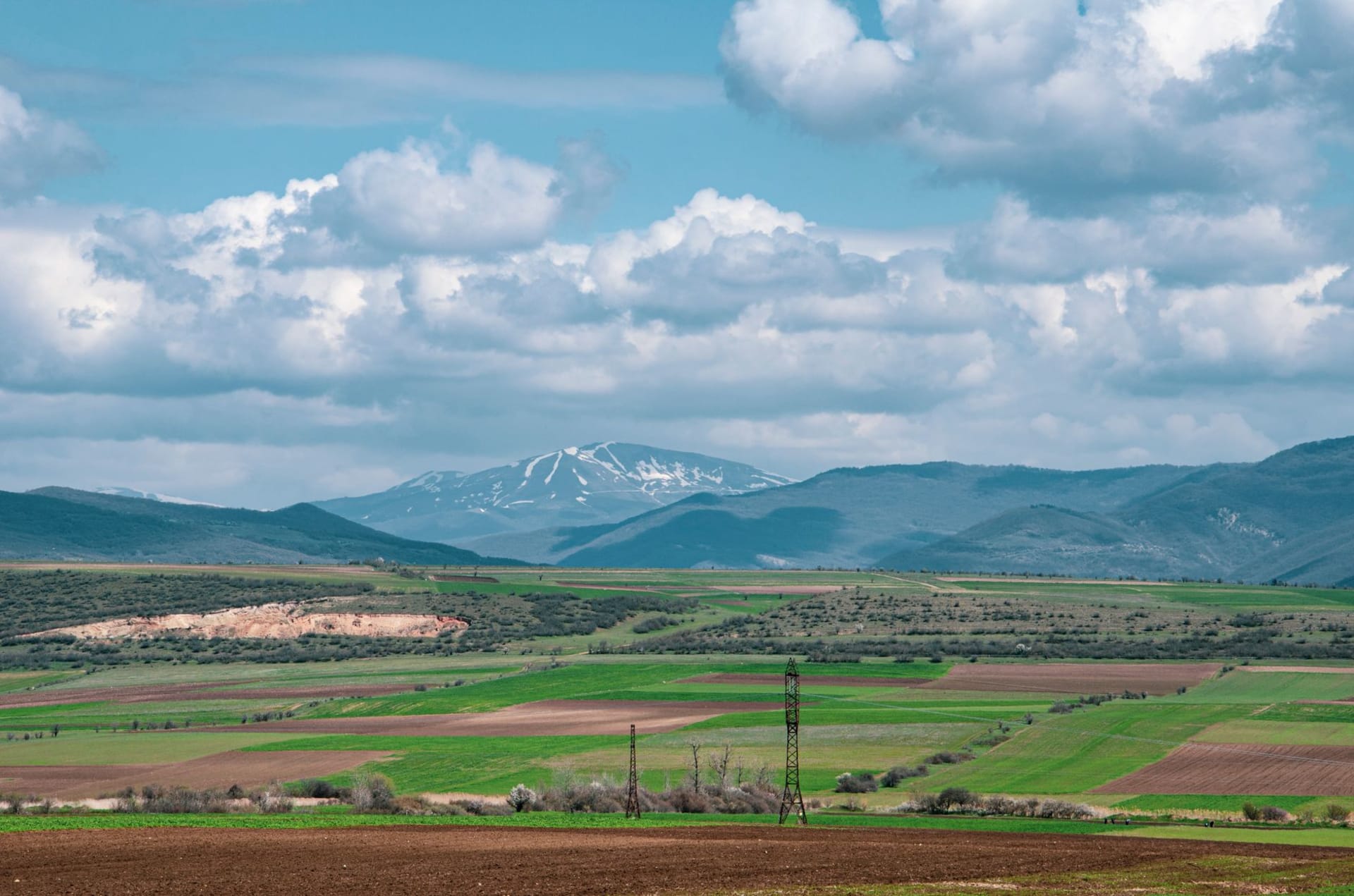
The road up from Baalbek climbs through scrub oak and limestone terraces, the valley falling away below, and then levels out onto a plateau at nearly fifteen hundred meters that feels like a different country entirely. Yammouneh is not on any standard itinerary. The village is small, the facilities are minimal, and reaching it requires either a car or the patience to negotiate local transport. What it offers in return is a kind of altitude clarity — that specific quality of mountain air that strips out everything unnecessary and leaves you with what remains.
The spring at the center of the plateau — Ain Yammouneh — has been sacred for as long as people have kept records of what was sacred here. A Roman temple dedicated to a water goddess stood on its banks; before that, Bronze Age and Neolithic communities gathered around it in ways that archaeologists are still piecing together. The water emerges from the limestone at a constant temperature regardless of season, feeding a small pool that has a color somewhere between green and turquoise depending on the angle of the light. Pilgrims still come here — the site is associated with a Shia religious tradition — and on certain feast days the plateau fills with families and the atmosphere shifts from solitary to something communal and warm.
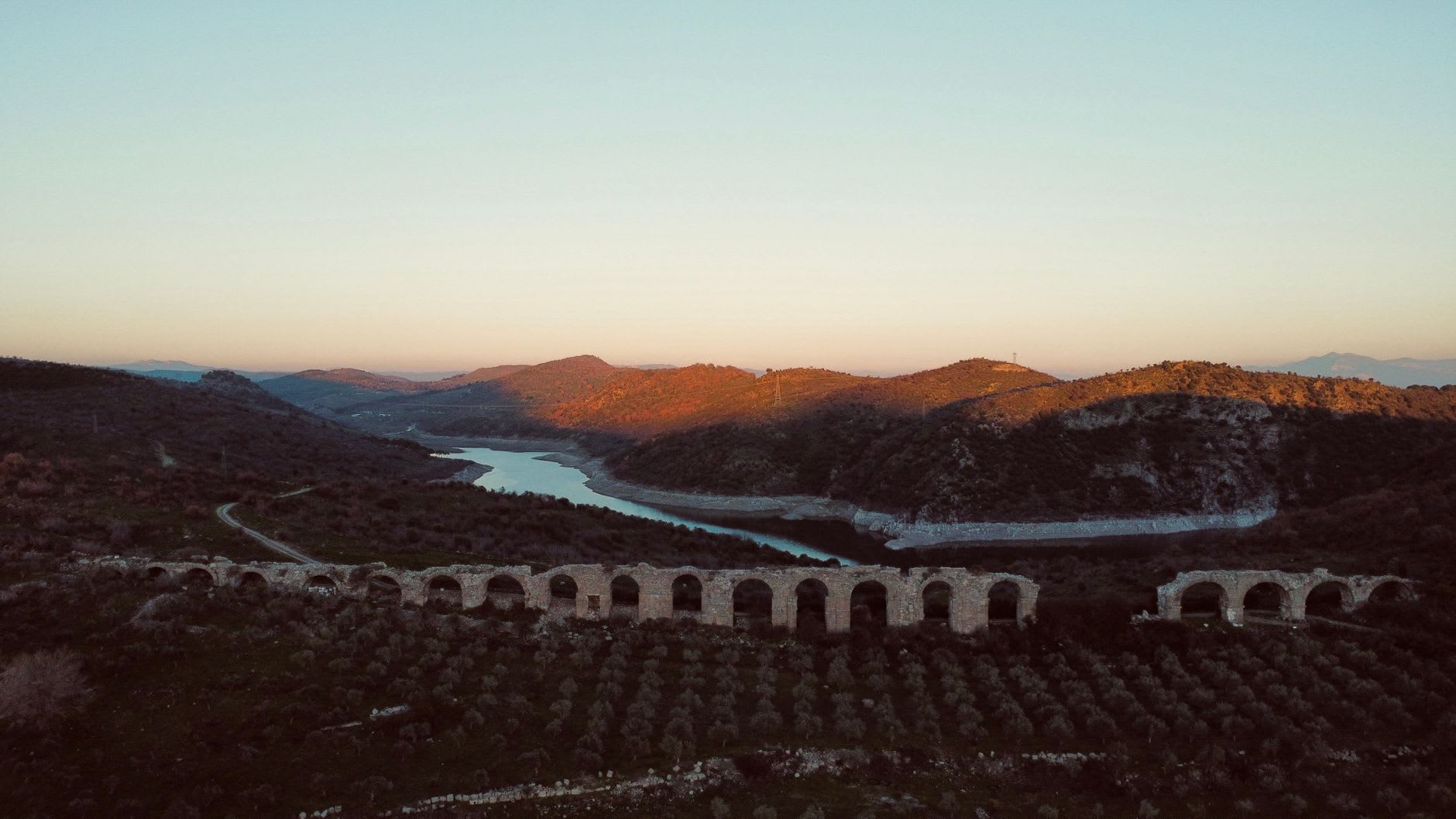
The archaeological remains are scattered across the plateau without the organization of a formal site. You walk among them freely — column drums, carved stone blocks, the foundations of structures whose purpose is debated. There is a small Mamluk-era shrine near the spring that locals have maintained continuously, and the layering of religious traditions here — pagan, Roman, early Christian, Shia — compressed into this single high plateau, feels significant in a way that is difficult to articulate but easy to feel.
The landscape beyond the village is wild in the way that Lebanese mountain terrain can be when you get high enough. The ridge above Yammouneh looks north toward the Qadisha Valley and south toward the Bekaa plain, and on a clear day the geometry of the whole region becomes legible from up here in a way it never is from the valley floor. I hiked the ridge for an hour in October, with no one else in sight, the Anti-Lebanon range across the valley catching the afternoon light, and the temperature at least ten degrees cooler than it had been in Baalbek.
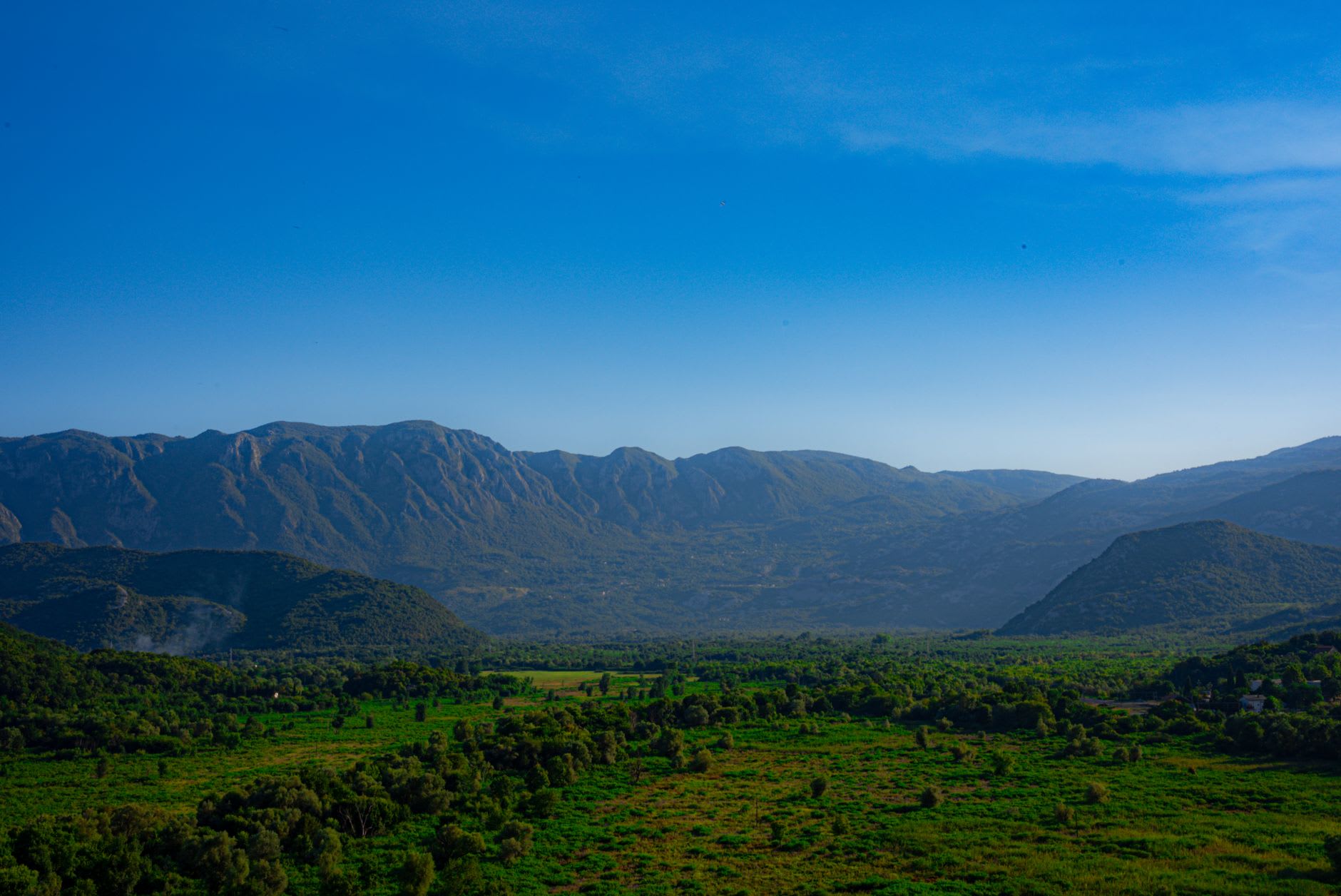
The drive back down to Baalbek takes forty minutes and arrives you back in the noise and heat of the town with the particular disorientation of someone returning from a place that operates on different terms.
When to go: Late spring (May–June) and early autumn (September–October) are ideal — the plateau is accessible, the weather is mild, and the spring is at its most photogenic. Avoid winter, when the road can be impassable with snow. The plateau is best visited as a morning excursion from Baalbek, allowing time to reach the ridge before the afternoon cloud builds.