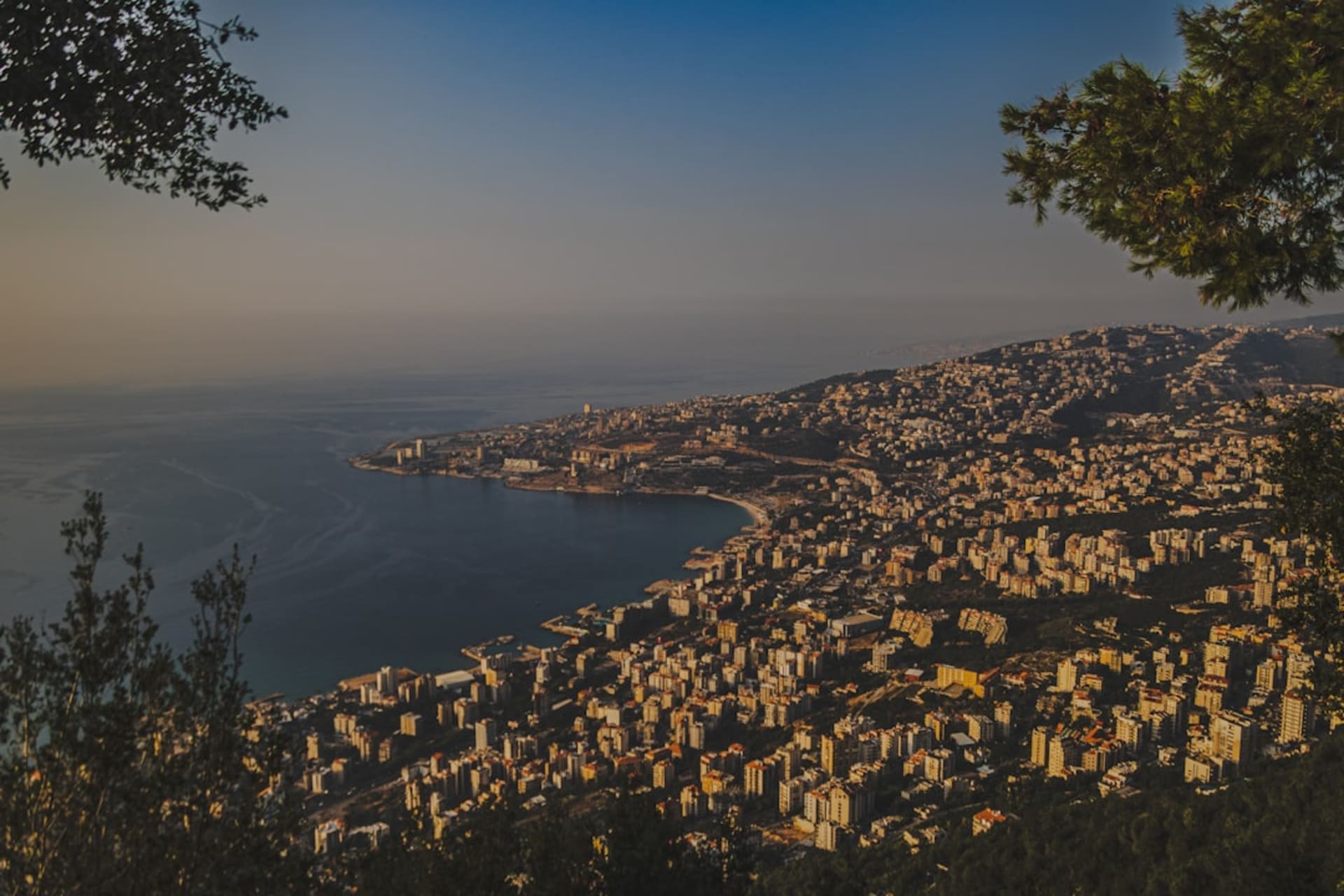
Rachaya al-Wadi
"A cell in this citadel is where modern Lebanon was, in a sense, born."
A stone citadel town under the shadow of Mount Hermon where Lebanon's founding fathers were imprisoned the night before independence.
Rachaya sits in a fold of the Anti-Lebanon range where the Bekaa stops being a flat plain and starts climbing toward Mount Hermon, and the drive up from the valley floor changes the temperature by several degrees before you’ve noticed the road bending. I went in October, apple season, and every third truck coming down the mountain was stacked with crates. The town itself is stone — not the beige limestone of the coast but a darker, harder stone that holds the cold, and the old souk is a covered corridor of vaulted stone arches that has clearly not changed its footprint since the Ottomans built it.
The citadel above the town is the reason people who know Lebanese history make the detour. In November 1943, the French Mandate authorities arrested the newly elected Lebanese president and his cabinet for declaring independence without permission, and held them here, in this fortress, for eleven days. The cell where they were kept is preserved almost exactly as it was, turned into a small museum — a long room with iron bedframes and a table, the flags and portraits of the men who slept there arranged with a reverence that feels earned rather than performed. Standing in that room, in a town most tourists have never heard of, was one of the more quietly moving hours I’ve spent in this country.
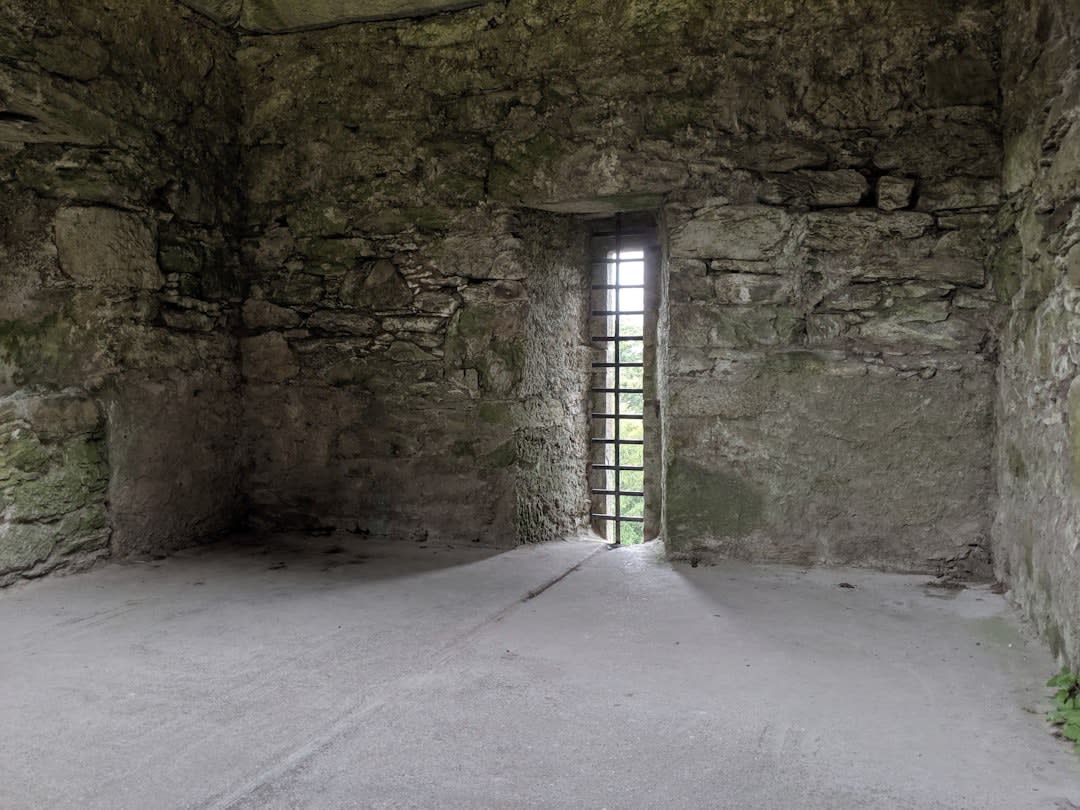
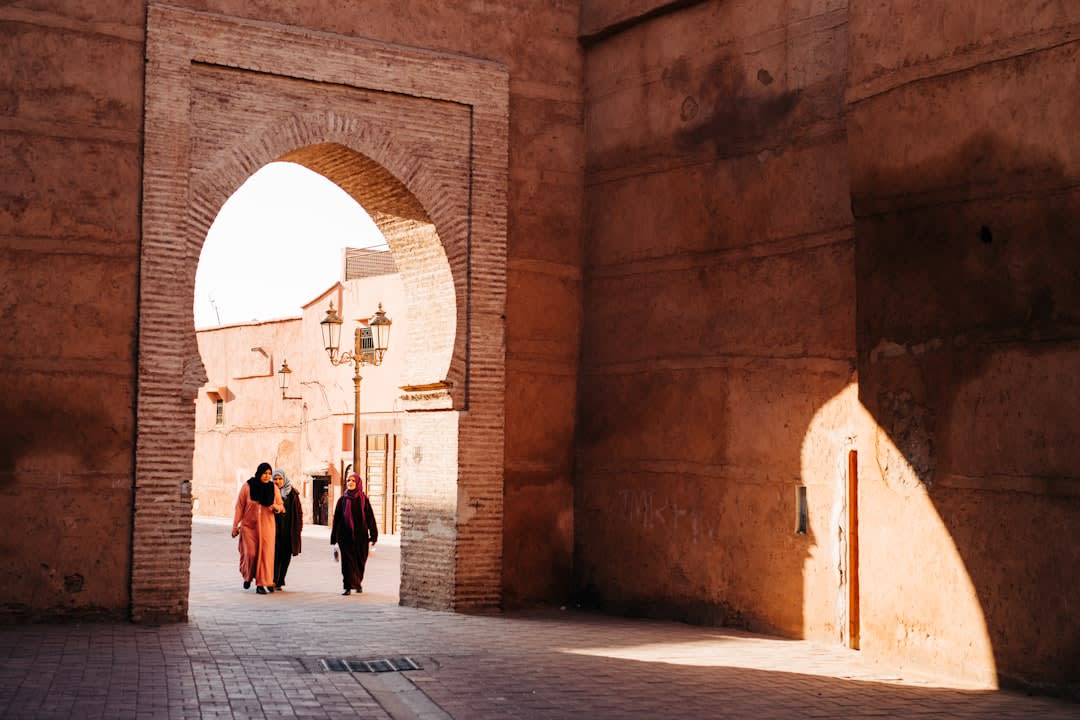
Outside the citadel walls, Rachaya is a working mountain town rather than a museum piece. Men sat outside a coffee shop playing cards with the kind of concentration that suggested money was involved, a bakery pushed out manoushe wrapped in paper, and an old woman selling jars of apple molasses from a folding table told me the citadel had been a school when she was a girl, before anyone thought to make it a monument. The apple orchards that ring the town supply a good share of Lebanon’s fresh fruit, and in autumn the smell of pressed apple cider drifts through the streets from small home operations that most people never advertise.
The road onward from Rachaya climbs toward the Syrian border and the base of Mount Hermon itself, and on a clear day the citadel’s ramparts give you a view down the length of the southern Bekaa that few other vantage points in the valley can match.
When to go: October and November, during apple harvest, bring both the best weather and the most local activity in the streets. The citadel museum keeps modest hours, so arrive before early afternoon to be sure of getting in.