Niha
"These temples were built for gods that only this valley knew. There is something honest about that specificity."
Two small Roman temples on a hillside above the southern Bekaa, dedicated to local deities no one else worshipped, visited by almost no one.

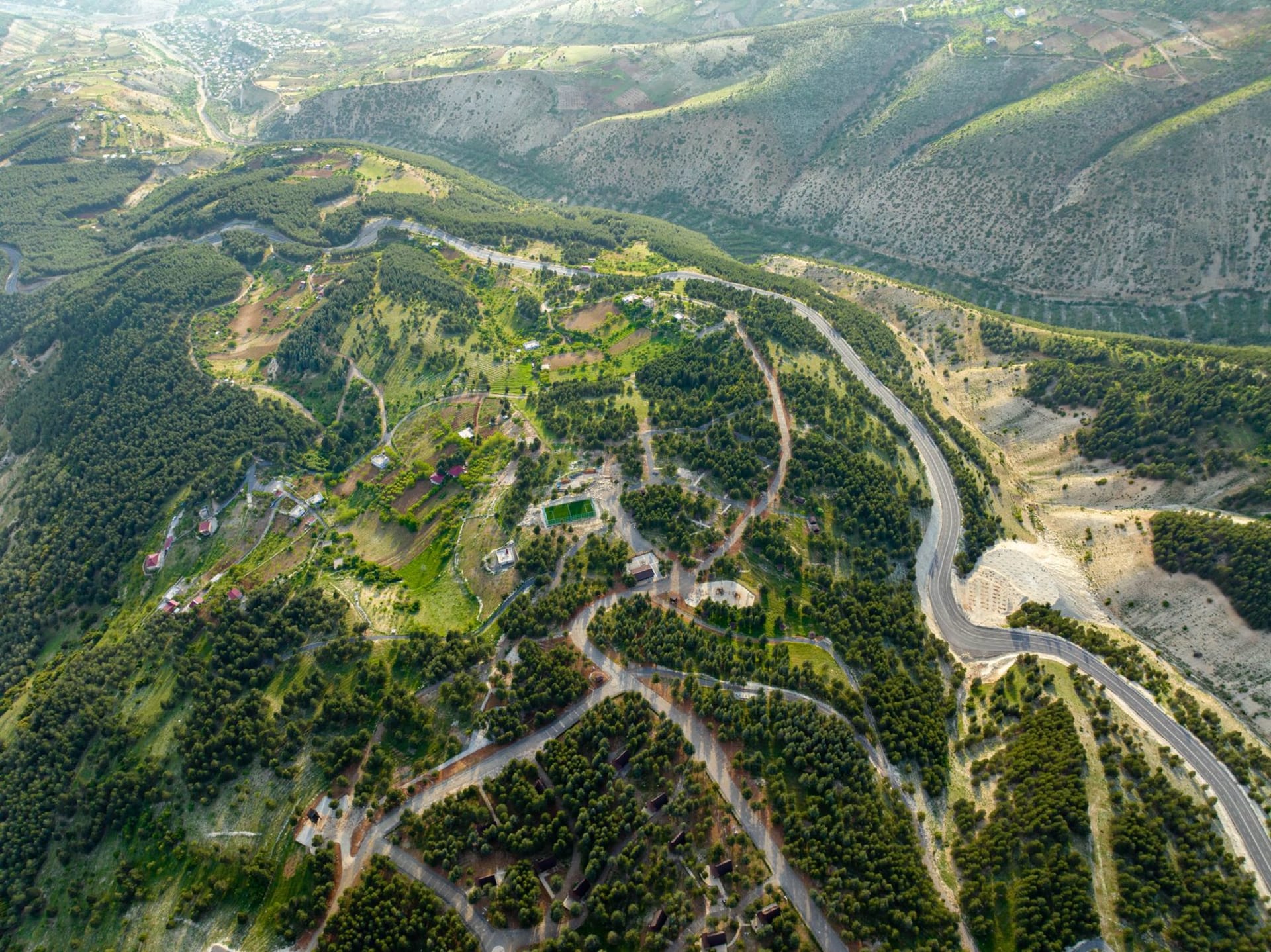
The road to Niha turns off the main Bekaa highway near the village of Yohmor and climbs a hillside for several kilometers before the temples come into view — two small structures on a natural terrace, backed by the slope of the mountain, looking out over a wide stretch of the southern valley. I had read about them in a footnote of a book about Roman Lebanon and nearly not bothered. Standing on that terrace, looking back at the view the worshippers would have had two thousand years ago, I was glad I had bothered.
The larger of the two temples — dedicated to a deity called Hadaranes — is in a remarkable state of preservation for a site that nobody talks about. The cella walls stand to most of their original height, the carved frieze above the entrance door still carries its decoration, and the interior, though roofless, retains the proportions that make a Roman sacred space feel different from the air outside it. The smaller temple, just beside it, is dedicated to Atargatis — a Syrian goddess of water and fertility — and is stranger in its dimensions, squatter and more intimate, with carved fish embedded in its ornamentation as an attribute of the deity. Fish, here, in the mountains, far from any sea.

What makes Niha different from Baalbek is not size — it is the opposite of size. These were local gods. Not Jupiter or Venus or the great deities of the Roman pantheon that rulers across the empire would have recognized, but local Levantine figures, worshipped by the people of this specific valley in their own specific forms. The Romans had a policy of syncretism — absorbing local deities into the imperial religious system — and these temples are evidence of that process at a human scale, built not for emperors but for farmers and herders who needed gods that understood their land.
The village of Niha below the temples is quiet in the way of Lebanese villages that have lost their young to the cities. A few elderly residents, a small shop selling chips and soda, a fountain with running spring water. A man sitting outside a house watched me walk past on my way back from the temples and called out asking if I wanted coffee. I sat with him for half an hour, drinking thick cardamom coffee and looking down at the valley. He had never visited the temples, he said. He had grown up looking at them.

The drive to Niha from Zahle is about forty minutes on roads that require some attention. There is no formal signage, no ticket booth, no guide. The temples are simply there on the hillside, open to whoever arrives, unbothered by the century.
When to go: Spring (April–May) is the most beautiful time, when the hillside wildflowers are in full bloom and the mountain views still carry snow at the peaks. Autumn works equally well. Come in the morning for the clearest light on the carved details. Bring water and wear shoes suitable for uneven ground — the path up to the temple terrace is rough.
Keep exploring
More from Bekaa Valley
 bekaa-valley
 Qab Elias
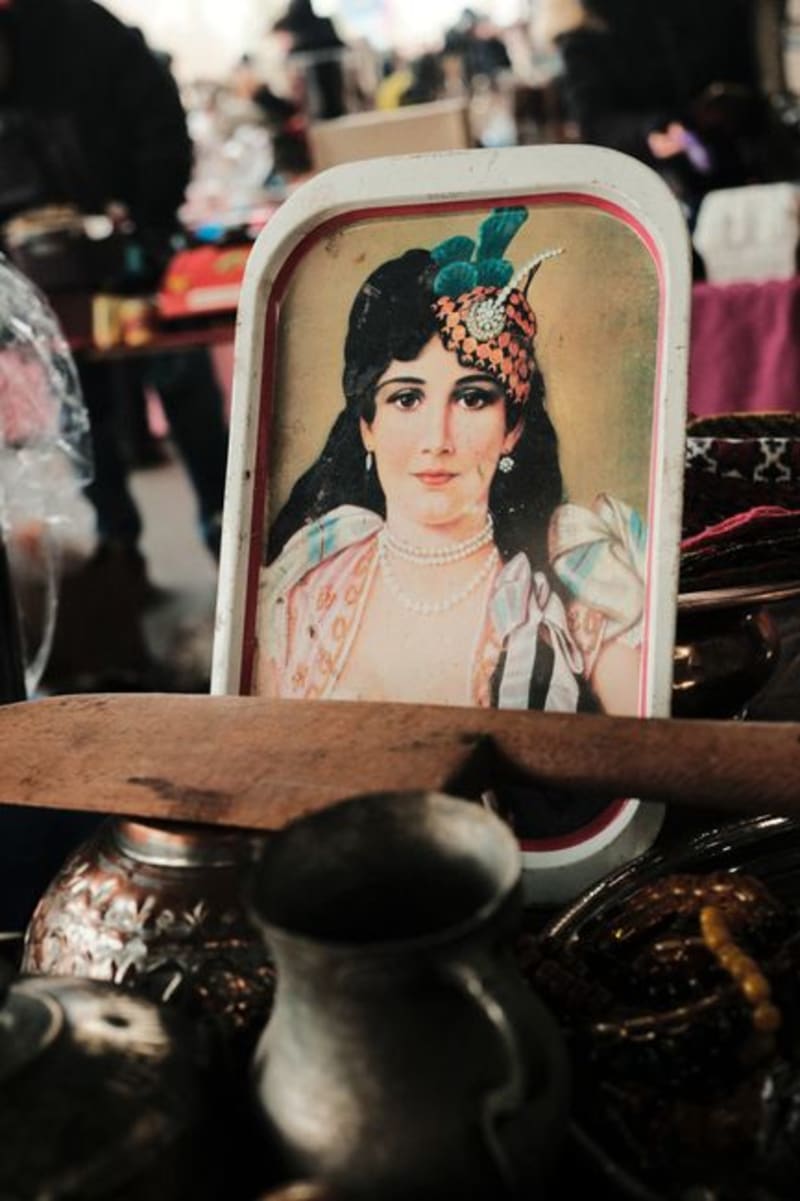
A crossroads market town on the old Beirut-Damascus highway, loud, unpolished, and more honestly Lebanese than anywhere else in the valley.
Explore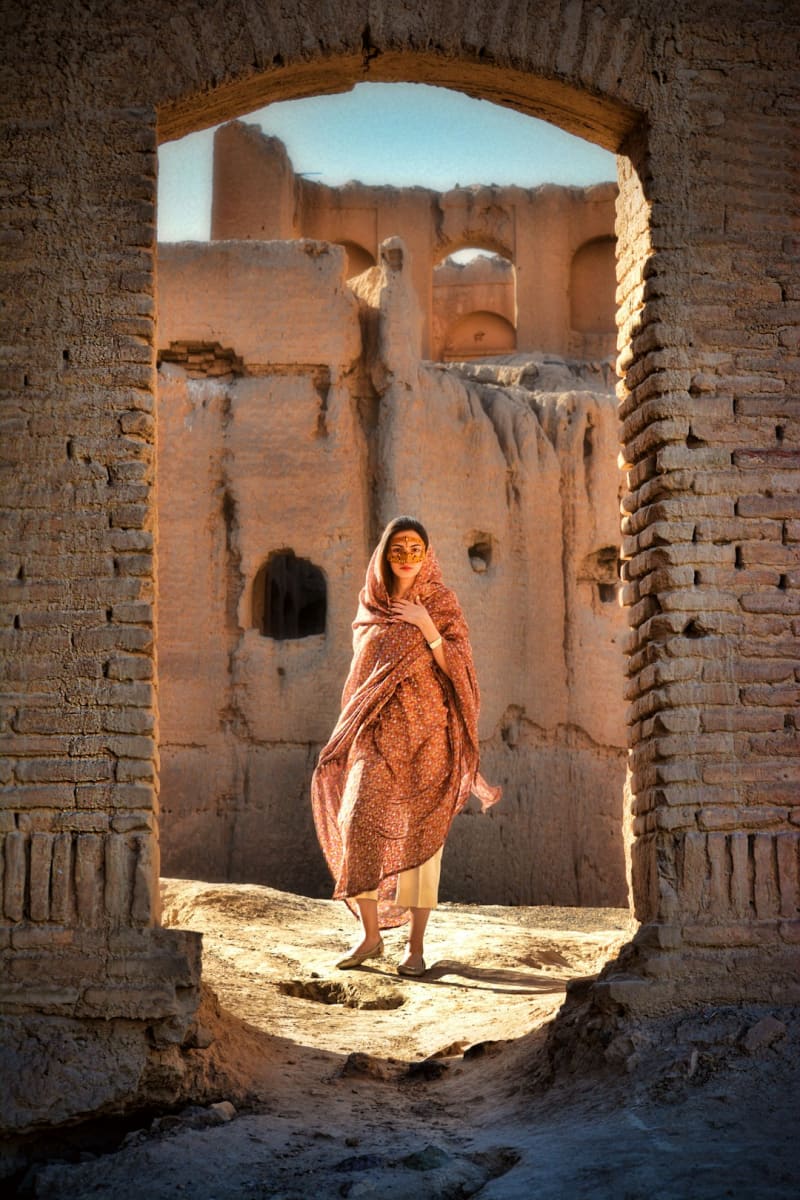 bekaa-valley
 Rachaya al-Wadi
A stone citadel town under the shadow of Mount Hermon where Lebanon's founding fathers were imprisoned the night before independence.
Explore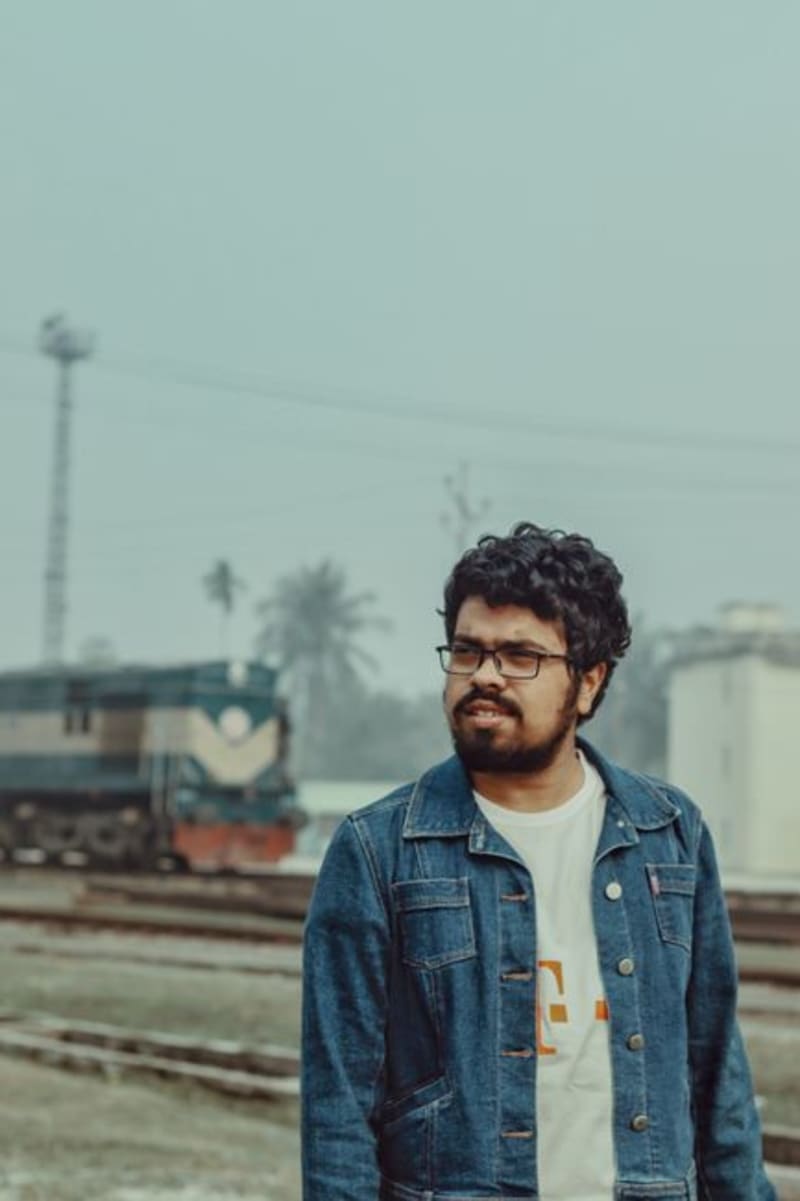 bekaa-valley
 Rayak
A rusting Ottoman railway junction where Damascus-bound steam locomotives once stopped, now a ghost yard of tracks going nowhere.
Explore bekaa-valley
 Saghbine
A cherry-orchard village on the western rim of the Bekaa with the best unobstructed view over Lake Qaraoun in the whole valley.
Explore bekaa-valley
 Taanayel
A Jesuit farm estate with artificial lakes and a nineteenth-century monastery, still making cheese and jam the way the monks taught it to.
Explore bekaa-valley
 Yammouneh
A remote plateau above Baalbek with sacred springs, Neolithic ruins, and a silence so complete it registers as something physical.
Explore