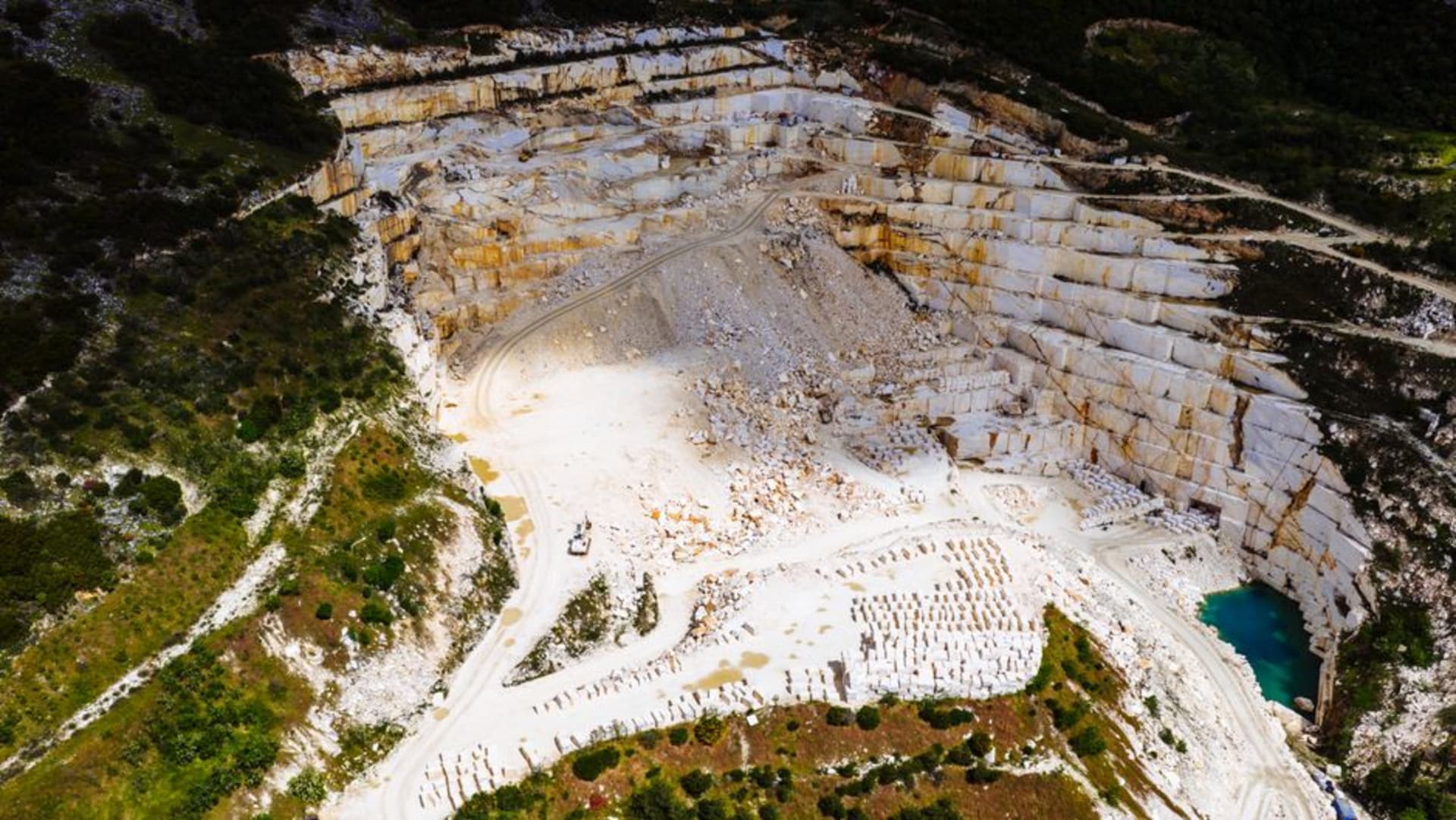
Majdal Anjar
"Somewhere in the middle of carving these columns, everyone just stopped. Nobody ever explained why."
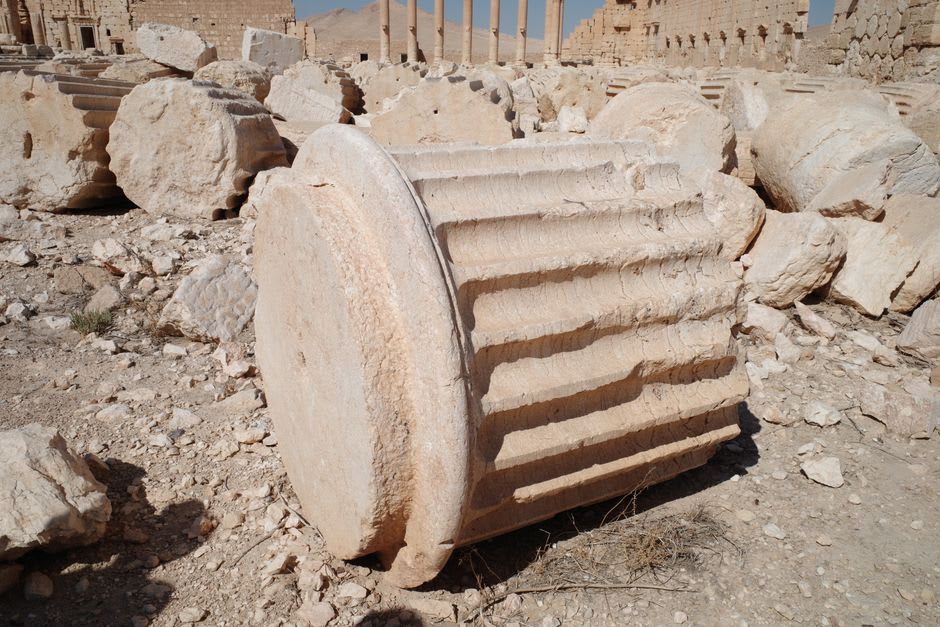
A border town beside a Roman stone quarry where half-cut columns still lie exactly where the carvers abandoned them two thousand years ago.
Majdal Anjar sits close enough to the Syrian border that most people driving the Bekaa highway know it only as the town before the Masnaa crossing, a place to buy cheap cigarettes and fuel and keep moving. I nearly did the same until a Lebanese archaeologist I’d met at Baalbek mentioned, almost as an aside, that the limestone used to build Baalbek’s temples had likely come from quarries in this exact area, and that some of them still held half-finished column drums abandoned mid-carving.
Finding the quarry took some asking around — there’s no sign from the main road — but a shopkeeper in town pointed me down a dirt track to a low outcrop where, sure enough, several massive stone cylinders lay exactly as Roman stonemasons had left them, tool marks still crisp in the limestone, one drum barely a third carved before whatever stopped the work happened. Standing there, running a hand over chisel marks nobody has touched in two thousand years, I felt something closer to what I’d felt at Baalbek’s Trilithon stones than at any of the valley’s more polished sites — the same sense of scale, but raw and unfinished, work interrupted mid-thought.
The town itself is a busy, workaday border settlement, its economy built around the cross-border trade with Syria that has ebbed and flowed with every phase of that country’s politics over the past decade. Small grocery shops stack their shelves with goods from both sides of the frontier, and a falafel stand near the town’s center, recommended to me by the same shopkeeper, turned out to be one of the better roadside meals I had anywhere in the Bekaa — crisp outside, bright green within, wrapped with pickles and too much garlic sauce in the best possible way.
When to go: Any season works for the quarry visit since it’s a short, exposed outdoor walk; go earlier in the day to avoid the afternoon heat on the open stone. Check current border-area conditions locally before visiting, as the security situation near the crossing can shift.
Keep exploring
More from Bekaa Valley
 bekaa-valley
 Niha
Two small Roman temples on a hillside above the southern Bekaa, dedicated to local deities no one else worshipped, visited by almost no one.
Explore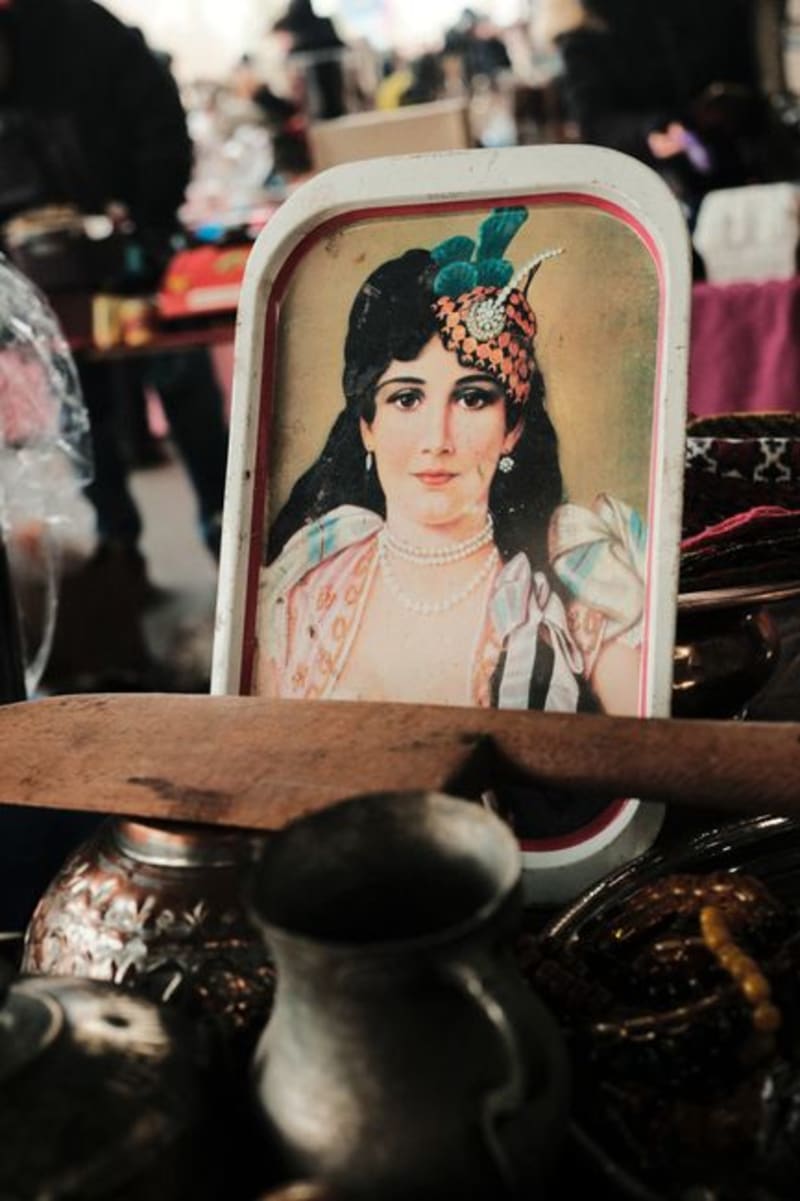 bekaa-valley
 Qab Elias
A crossroads market town on the old Beirut-Damascus highway, loud, unpolished, and more honestly Lebanese than anywhere else in the valley.
Explore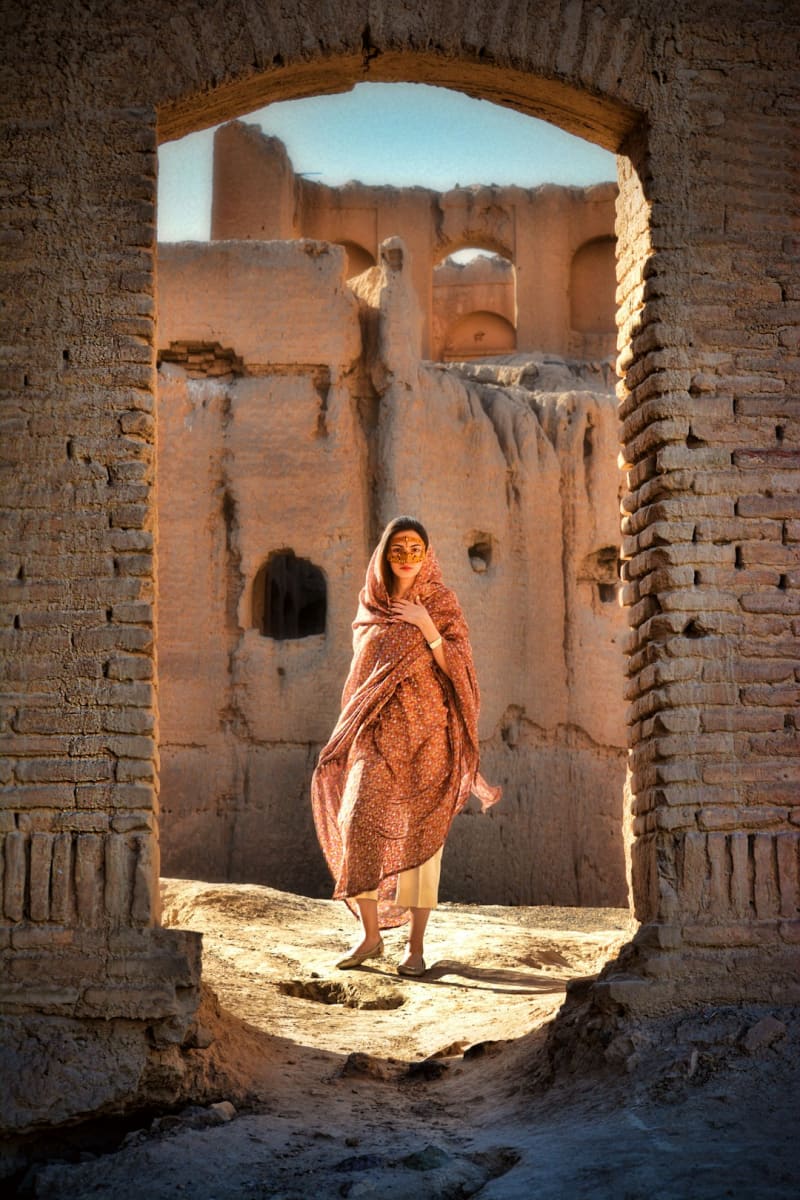 bekaa-valley
 Rachaya al-Wadi
A stone citadel town under the shadow of Mount Hermon where Lebanon's founding fathers were imprisoned the night before independence.
Explore bekaa-valley
 Rayak
A rusting Ottoman railway junction where Damascus-bound steam locomotives once stopped, now a ghost yard of tracks going nowhere.
Explore bekaa-valley
 Saghbine
A cherry-orchard village on the western rim of the Bekaa with the best unobstructed view over Lake Qaraoun in the whole valley.
Explore bekaa-valley
 Taanayel
A Jesuit farm estate with artificial lakes and a nineteenth-century monastery, still making cheese and jam the way the monks taught it to.
Explore