Kefraya
"They kept planting vines here through a civil war. That tells you everything about how much this valley believes in wine."
A frontline village turned into one of Lebanon's grandest wine estates, its vines stretching toward the slopes of Mount Hermon.
Kefraya’s vineyards are the ones you actually see from the road if you drive the western edge of the Bekaa — rows running in long disciplined lines toward the foothills, a modern winery building rising out of them with more architectural ambition than most of its neighbors. Chateau Kefraya was founded in the 1970s, right as Lebanon was sliding into civil war, and the fact that the estate kept expanding its plantings through years when this exact stretch of the valley sat close to shifting front lines is one of those details that tells you more about Lebanese resilience than any monument could.
I arrived in late afternoon, the light doing the thing it does in the Bekaa where everything turns a warm gold about an hour before sunset, and walked the rows with one of the estate’s vineyard managers, who pointed out how the soil changes across the property — heavier clay near the wetland side, sandier and better-drained toward the slopes — and how that variation lets them grow half a dozen different grape varieties within a few kilometers of each other. The tasting room, when we finally got there, poured a comte de M reserve red that had been aged in barrel long enough to soften every rough edge, alongside a rosé that tasted like it had been made specifically for the terrace it was served on.
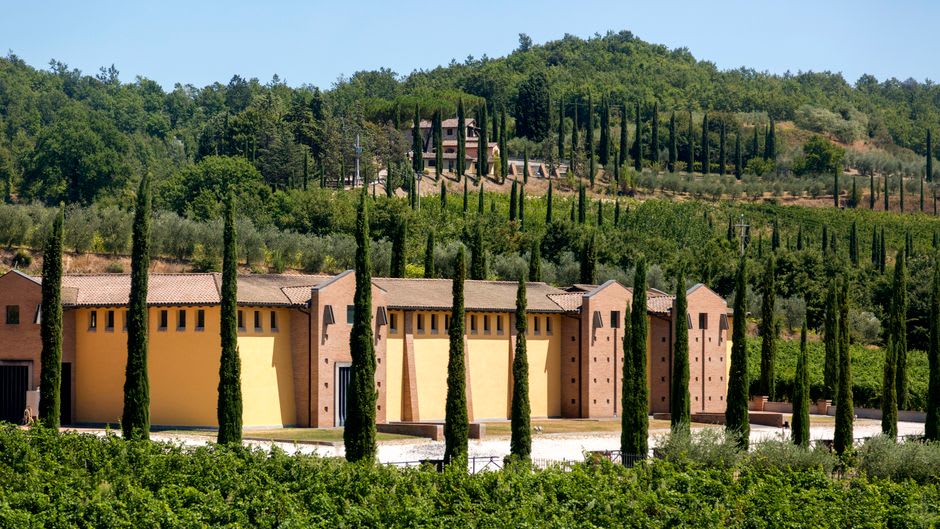
What struck me most was the manager’s account of the estate during the war years — how workers would time the pruning and harvest around lulls in shelling, how the winemaking never actually stopped even when almost everything else in the country did. Standing on the terrace with a glass of that rosé, looking toward Mount Hermon with its last visible snow of the season, that story felt like it explained something essential about why this valley takes wine as seriously as it does.
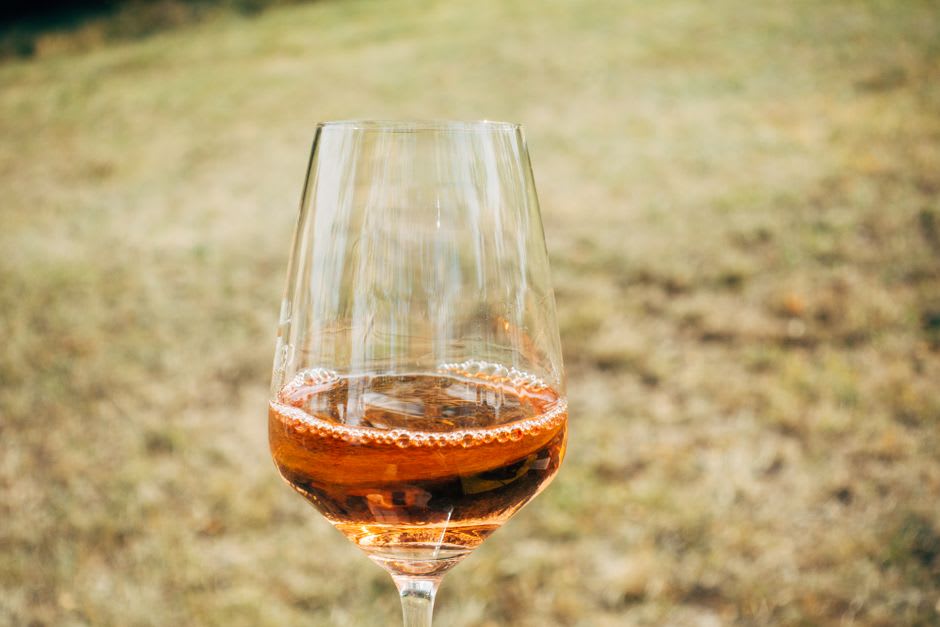
When to go: September’s harvest brings the estate to life, but late spring through early autumn all offer good tasting-terrace weather. Book a tasting in advance during weekends, when tour groups from Beirut fill the schedule.
Keep exploring
More from Bekaa Valley
 bekaa-valley
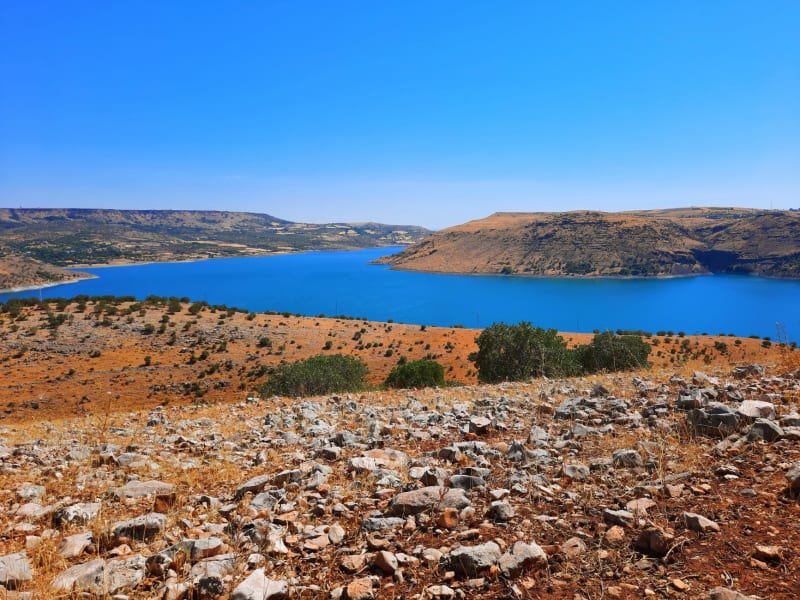
 Lake Qaraoun
Lebanon's largest lake sits in a bend of the southern Bekaa, its still water reflecting mountains that most travelers never reach.
Explore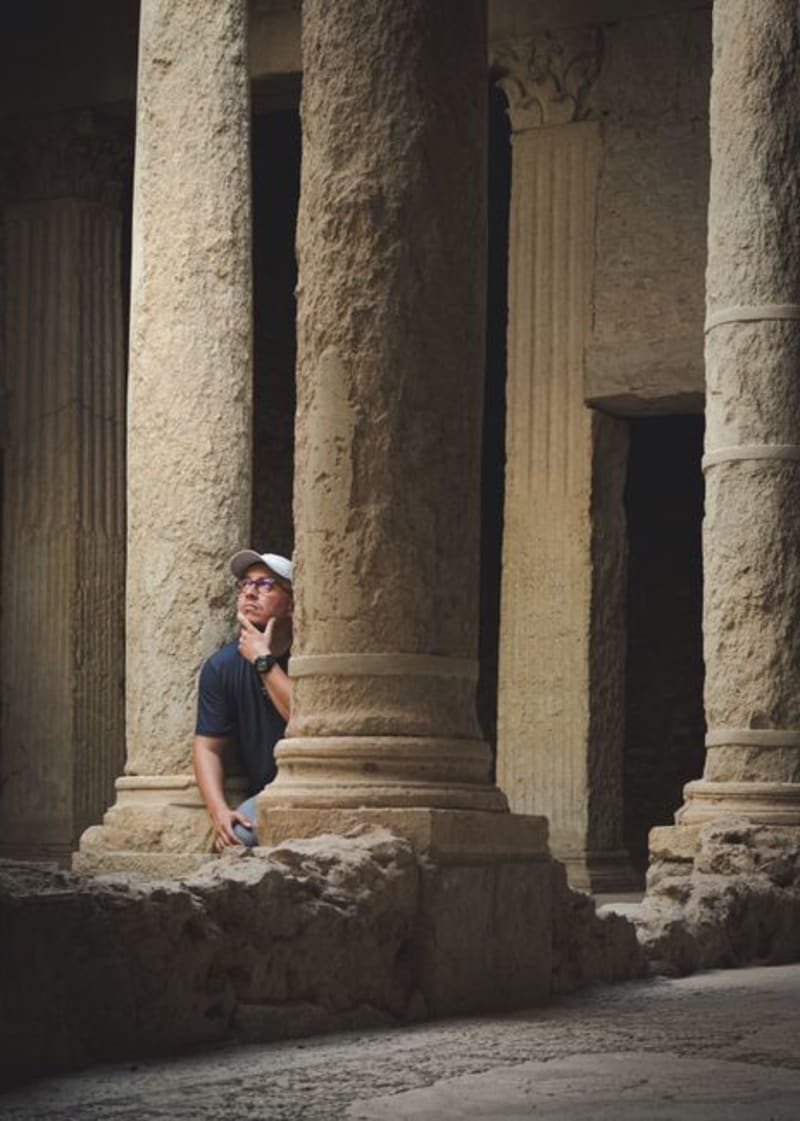 bekaa-valley
 Majdal Anjar
A border town beside a Roman stone quarry where half-cut columns still lie exactly where the carvers abandoned them two thousand years ago.
Explore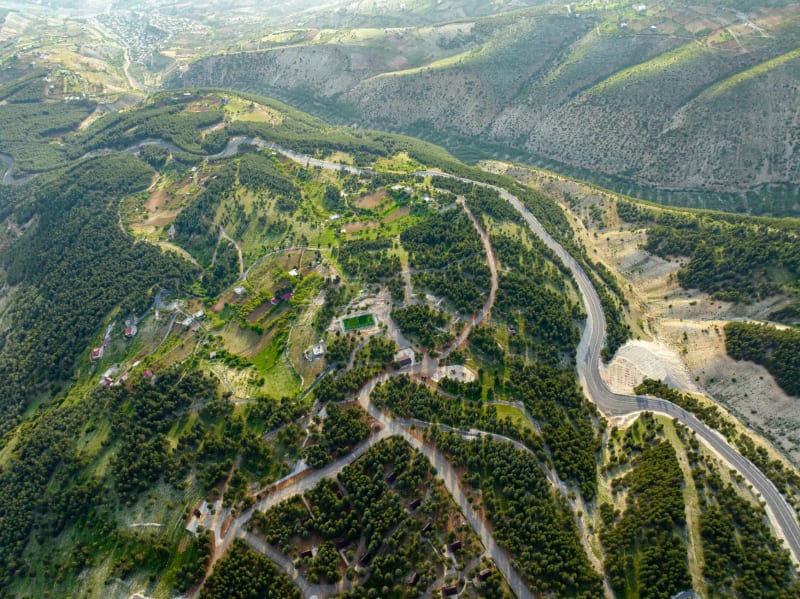 bekaa-valley
 Niha
Two small Roman temples on a hillside above the southern Bekaa, dedicated to local deities no one else worshipped, visited by almost no one.
Explore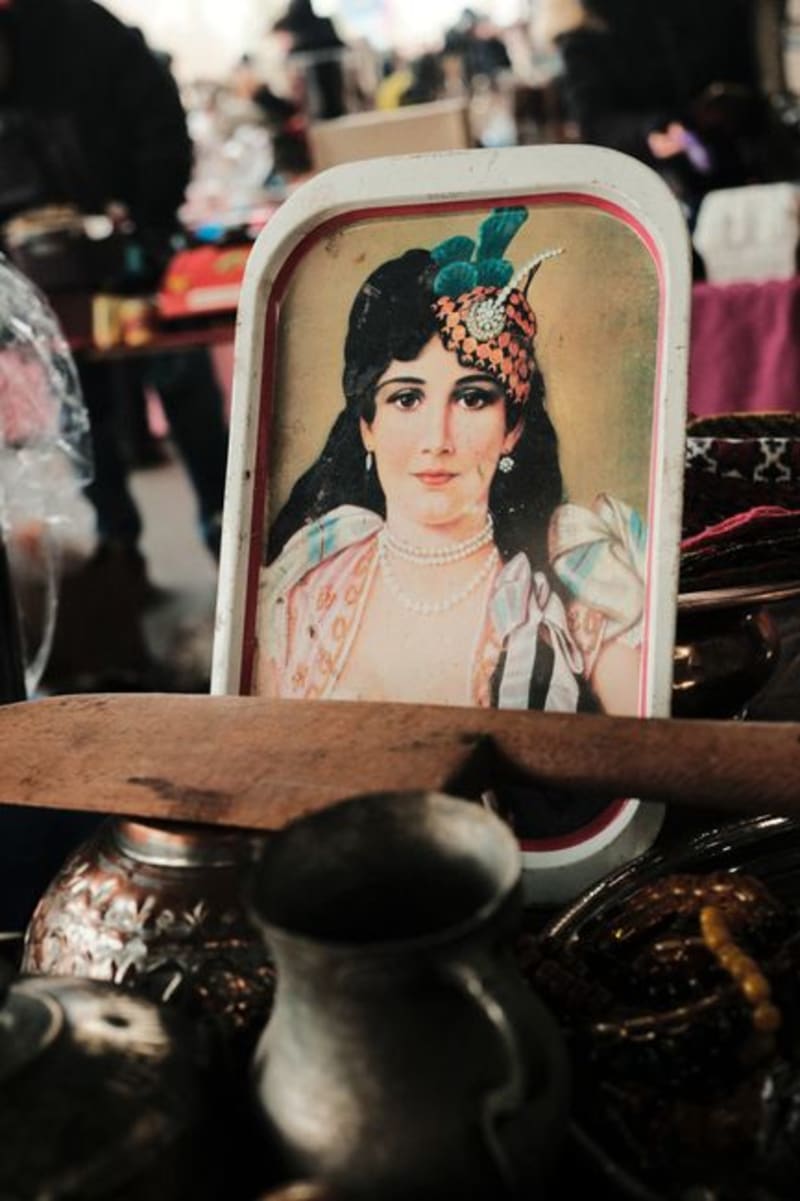 bekaa-valley
 Qab Elias
A crossroads market town on the old Beirut-Damascus highway, loud, unpolished, and more honestly Lebanese than anywhere else in the valley.
Explore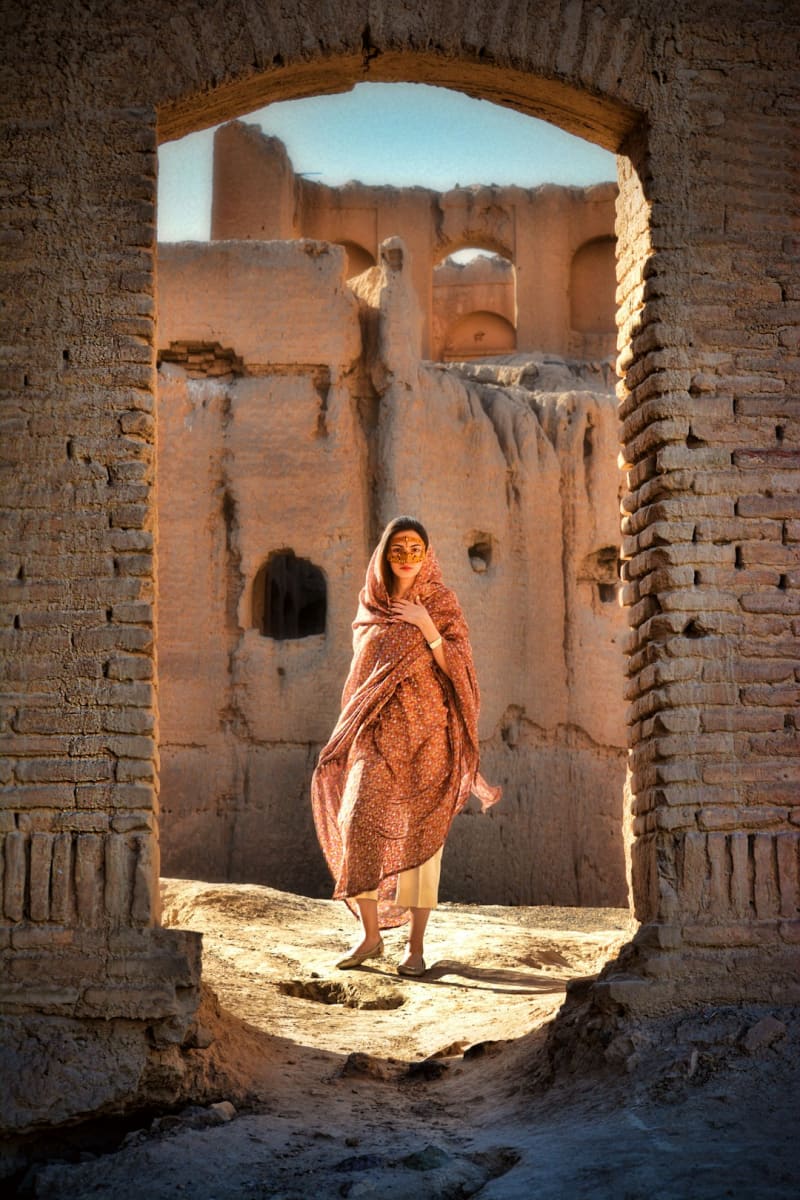 bekaa-valley
 Rachaya al-Wadi
A stone citadel town under the shadow of Mount Hermon where Lebanon's founding fathers were imprisoned the night before independence.
Explore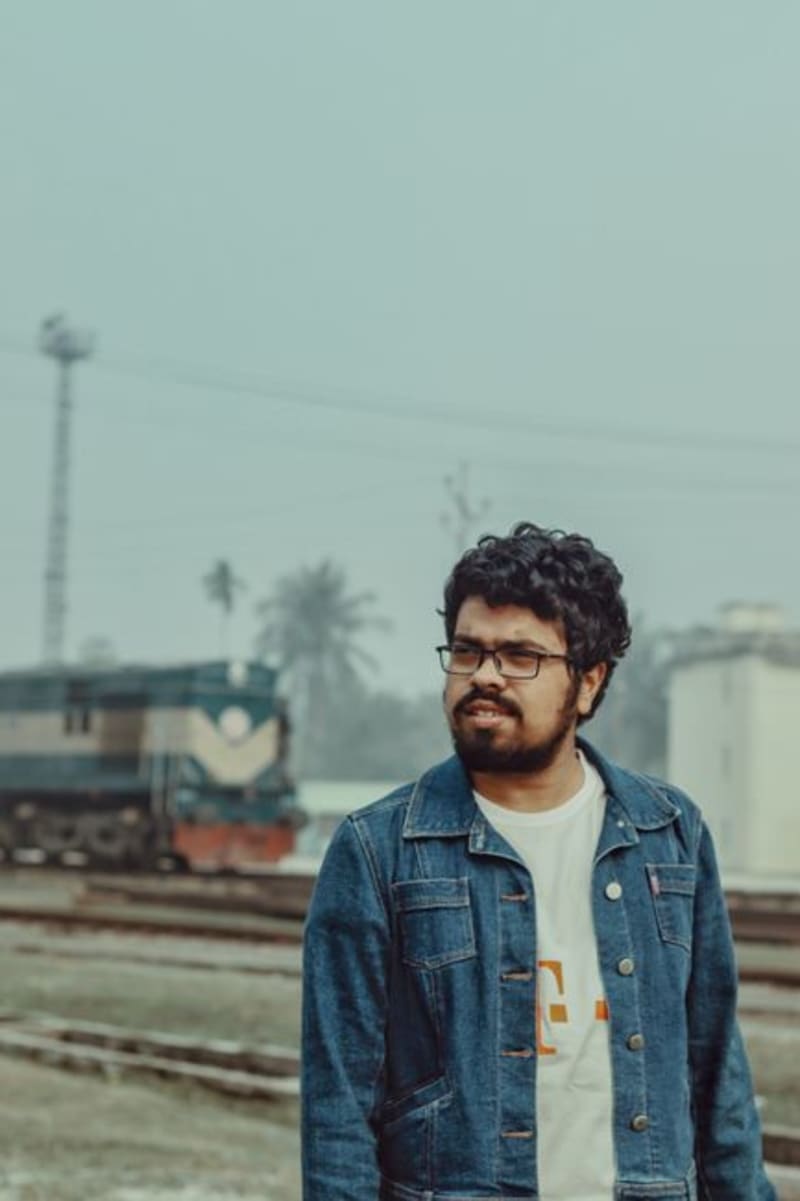 bekaa-valley
 Rayak
A rusting Ottoman railway junction where Damascus-bound steam locomotives once stopped, now a ghost yard of tracks going nowhere.
Explore