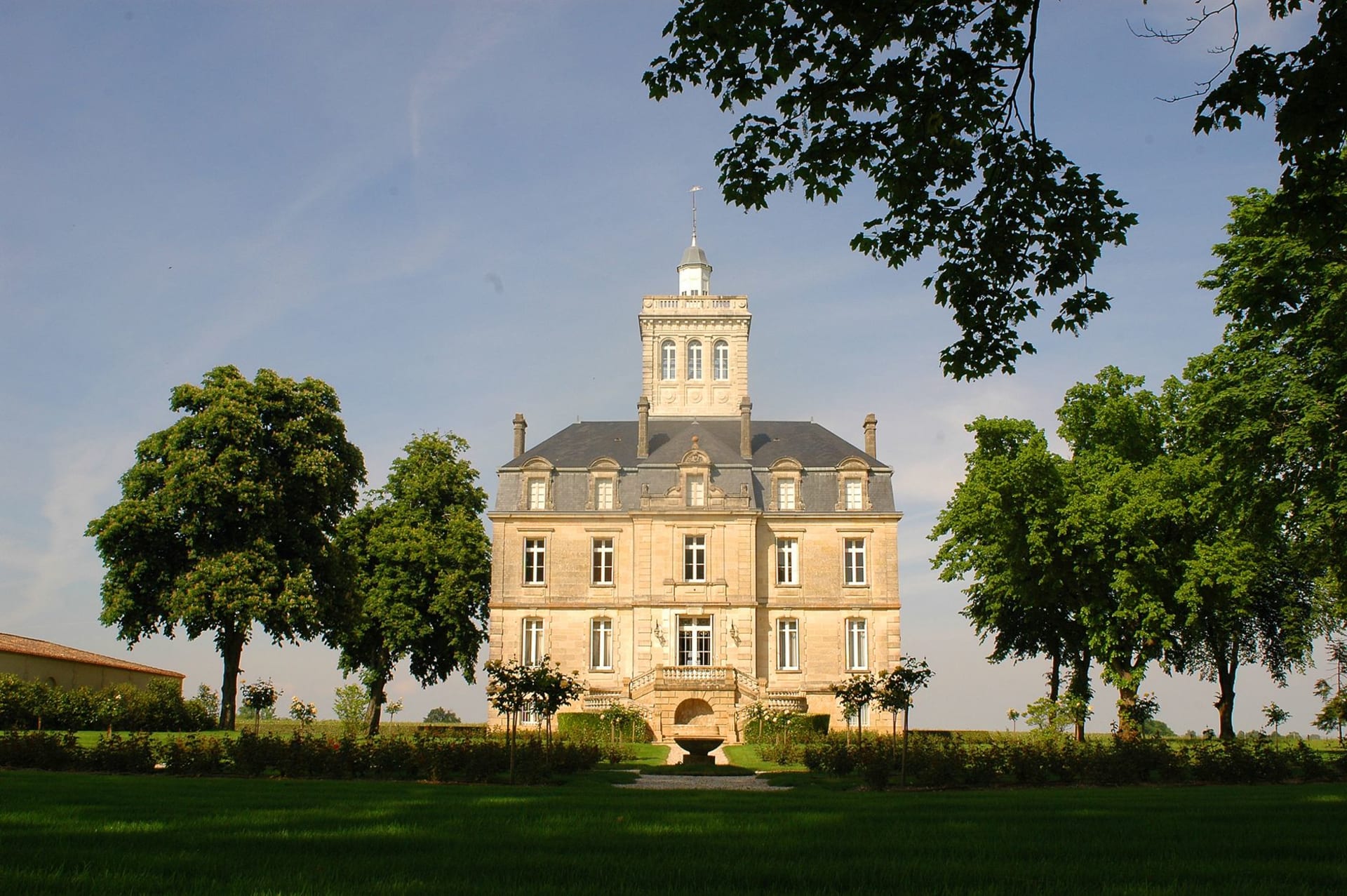
Chateau Ksara
"Two thousand years of winemaking in this valley, and you feel every one of them the moment you step underground."
The guide told me the tunnels were dug by Roman soldiers — the legion stationed at Baalbek during the first century AD, who needed somewhere cool to store provisions. She said it with the casual certainty of someone repeating a fact that has been true long enough to feel ordinary. I followed her into the entrance carved in a hillside outside the village of Ksara, the temperature dropping immediately, the light changing from bright valley sun to the amber glow of ceiling fixtures, and two kilometers of carved limestone corridor stretched ahead of me, stacked with barrels and bottles in the tens of thousands.
Chateau Ksara is Lebanon’s oldest winery, founded in 1857 by Jesuit missionaries who found these tunnels and grasped their potential immediately. The Bekaa’s altitude — a thousand meters — and its long, dry summers with cool nights create conditions that produce structured, aromatic wines; the Jesuits understood this in the nineteenth century the way the Romans had understood it before the Christian era. The tunnels maintain a constant temperature of fourteen degrees year-round, requiring no mechanical intervention. The wine sleeps here in conditions that have barely changed in two millennia.
The tasting that follows the tunnel tour is the argument for making this more than a stop on the way to somewhere else. The whites here are underrated — a Blanc de Blancs I had on one visit was clean and mineral and struck me as genuinely competitive with decent Burgundy, which is not the kind of claim I make carelessly. The reds tend toward structure rather than fruit, reflecting the altitude and the clay soils: a Cabernet Sauvignon aged in French oak that finishes long and dry, without the overripe sweetness that characterizes warmer-climate versions of the same grape. Lebanon is not a wine destination most people think to mention in the same sentence as France or Italy. They are wrong about this.
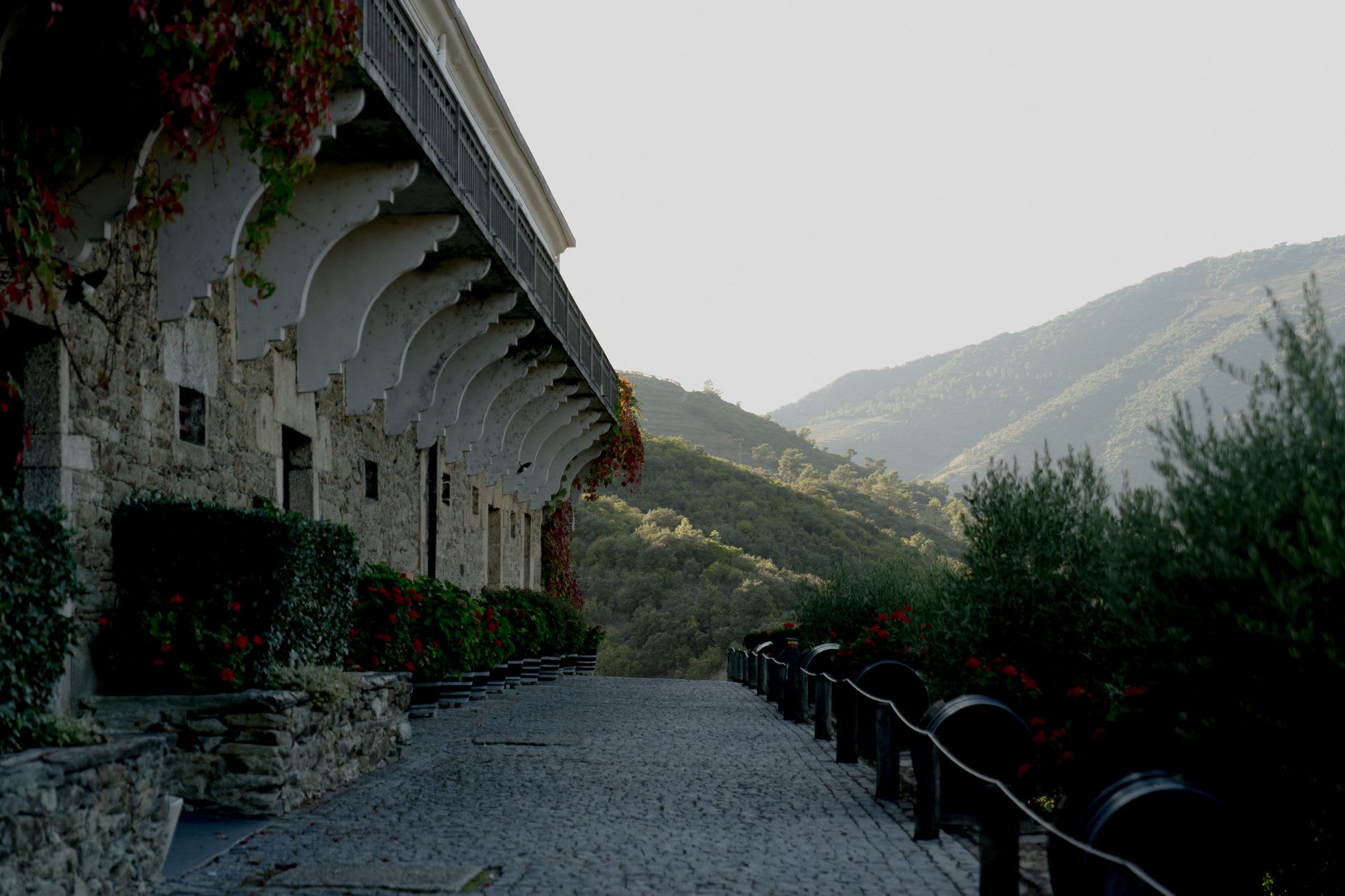
The estate itself sits in a landscape that merits a few minutes of standing and looking. Vines run in straight rows across the valley floor, the Anti-Lebanon mountains rising behind them still snow-capped well into April. The old stone press house, built by the Jesuits, houses the production facility now and a small museum of winemaking equipment — clay amphora, wooden presses, early bottling machinery — that traces the continuity of wine production in this specific stretch of earth without sentimentality. It is not a romantic reconstruction. The tools are real, the continuity is real.

The shop near the entrance sells the full range, including older vintages that are worth looking at. I bought a bottle of the reserve Cabernet and drank it two days later at a restaurant in Zahle that let me bring my own, charged a modest corkage fee, and served it at exactly the right temperature without being asked.
When to go: Chateau Ksara is open daily for tours and tastings, year-round. Harvest season — September and October — is when the estate is most alive, with grapes coming in from the surrounding vineyards and the winery working at full production. Mornings are better for the tour; the tunnel walk is cooler than the valley outside and provides welcome relief from the summer heat.