Ablah
"Every family here seems to have an opinion about wine, and most of them are right."
A small vineyard village on the Bekaa's wine road where family-run cellars pour you a glass before you've asked for one.
Ablah is easy to drive past without noticing — a small cluster of stone houses along the road south of Zahle, surrounded by vine rows that look, from the highway, like every other stretch of the Bekaa’s wine belt. What sets it apart only becomes clear once you slow down: this is a village of small, family-scale wine producers rather than the large industrial names that dominate the valley’s export figures, and several of them will happily interrupt whatever they’re doing to pour you a taste in a courtyard.
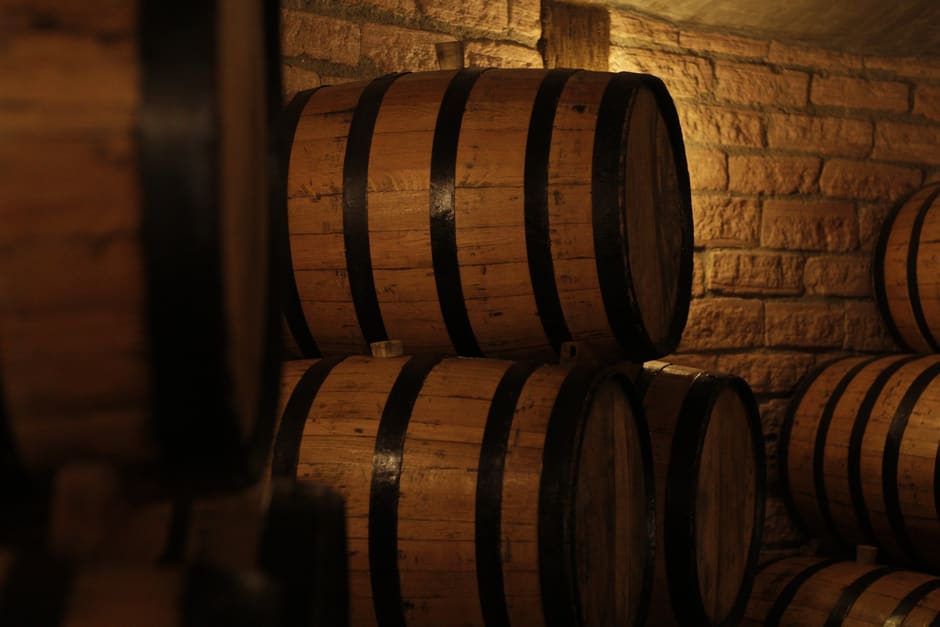
I stopped because a hand-painted sign at a gate advertised “dégustation” in faded blue letters, and ended up spending most of an afternoon with a grower whose family had been making wine here for three generations on a scale small enough that most of it sold locally rather than through any distributor. He walked me through a cellar cut into the hillside — cooler than the September heat outside by a good ten degrees — past oak barrels he’d inherited from his father, and poured a cabernet-cinsault blend that had none of the polish of the big Bekaa labels and all of the character. We talked, in a mixture of French and Arabic, about how the valley’s altitude and the mountain runoff that feeds these vines give Lebanese wine an acidity that Mediterranean wines further south rarely manage.
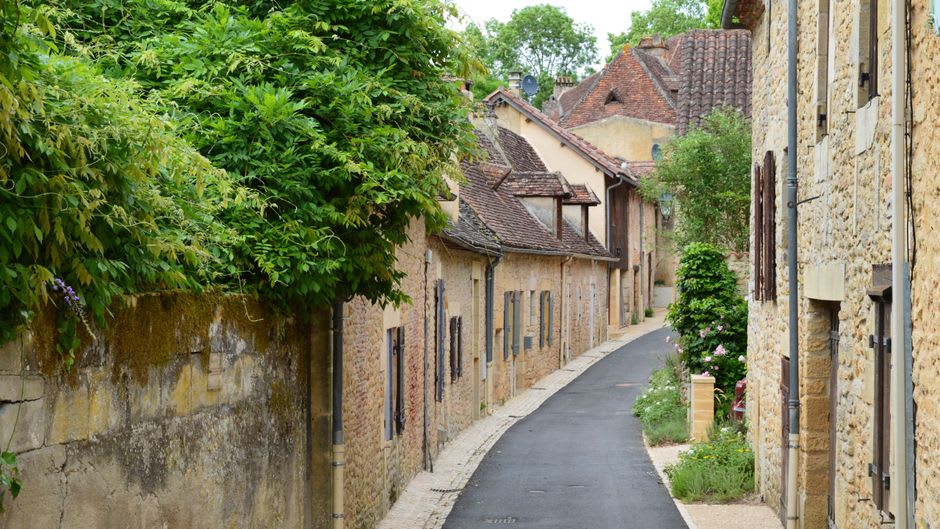
Beyond the wine, Ablah is simply a pleasant, unhurried village to walk through — narrow lanes between stone houses, fig trees growing over garden walls, an old man repairing a wooden gate who told me, without my asking, that his grandfather had planted the vines across the road from his house before the First World War. Nothing in Ablah is set up for visitors in any formal sense, which is precisely its appeal.
When to go: September through October, during and just after harvest, is when the small cellars are most active and most willing to pour a glass. Call ahead if you can, since these are working farms rather than tourist-ready tasting rooms.
Keep exploring
More from Bekaa Valley
 bekaa-valley
 Ammiq Wetland
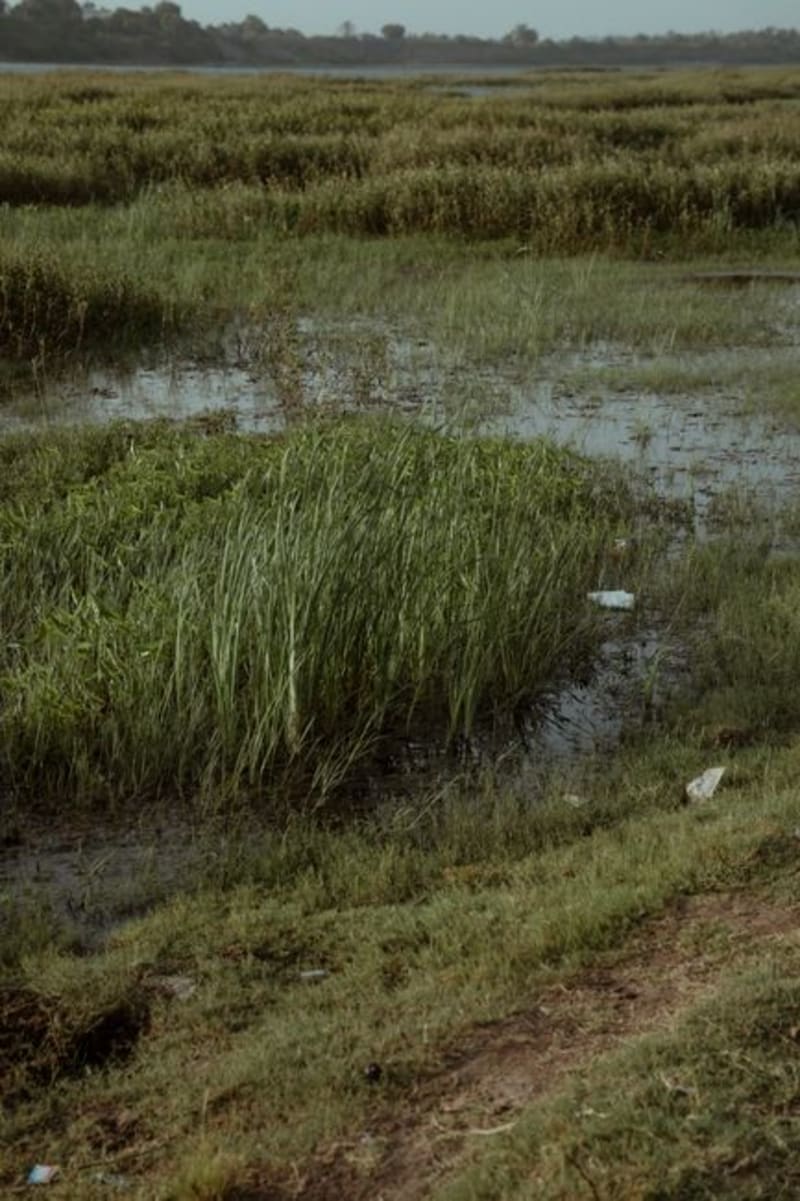
Lebanon's largest surviving freshwater marsh, a Ramsar-listed refuge where half a million migrating birds pass through twice a year.
Explore bekaa-valley
 Anjar
An Umayyad city from 715 AD, perfectly grid-planned and almost entirely overlooked, thirty minutes from the tourist buses.
Explore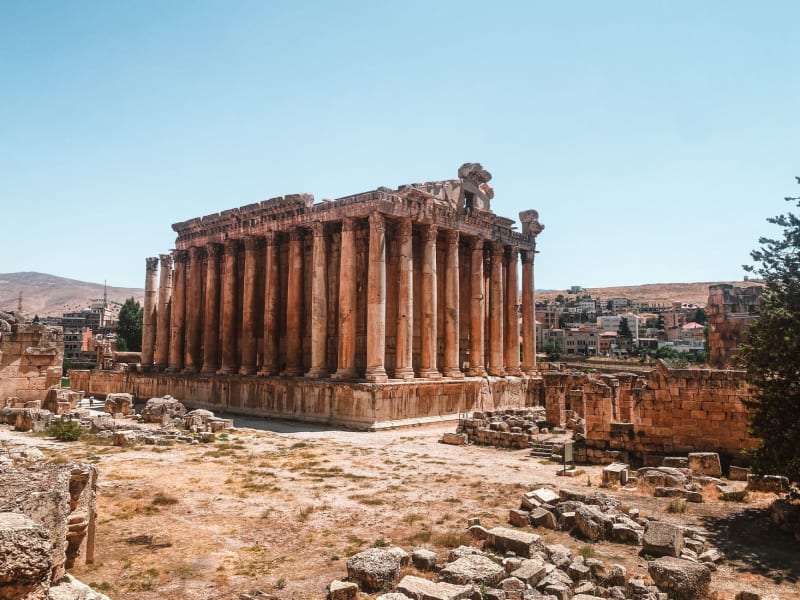 bekaa-valley
 Baalbek
Six columns of the largest Roman temple ever built still stand here, and they make everything else look small.
Explore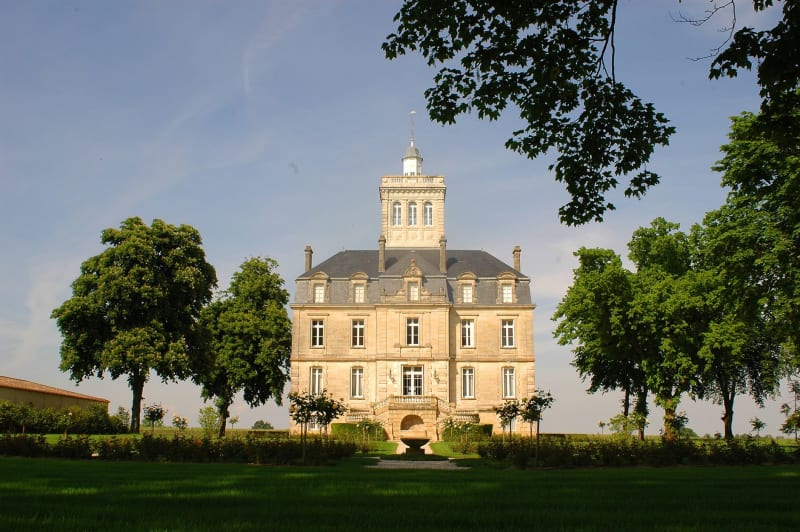 bekaa-valley
 Chateau Ksara
Lebanon's oldest winery, where Roman soldiers carved two kilometers of tunnel into the rock and Jesuits later filled them with wine.
Explore bekaa-valley
 Chtaura
The Bekaa's busy crossroads town where the highway splits for Zahle and Baalbek, and where the valley's best pastry shops cluster.
Explore bekaa-valley
 Deir el-Ahmar
A village of red-stone houses between Baalbek and the mountain, where a Byzantine monastery gives the town its name and its particular stillness.
Explore