Neuschwanstein Castle
"I've stood in front of a lot of famous buildings. This is the only one that made me feel like I'd wandered into someone else's dream."
A fairy-tale palace built by a doomed king who never meant it to be seen, perched above a lake of Alpine mist.
Lia spotted it first, from the window of the bus climbing out of Füssen: a white tower catching the light through a gap in the pines, gone again before I could point. I’d seen the postcards, obviously, everyone has. What I hadn’t expected was how strange it feels to know the whole story before you arrive — that this isn’t some medieval relic but a 19th-century fantasy, commissioned in 1868 by a king, Ludwig II, who built it as a private retreat soaked in the operas of Richard Wagner. Walking up the steep path from Hohenschwangau, I kept thinking about that: a man building himself an opera set to live inside.
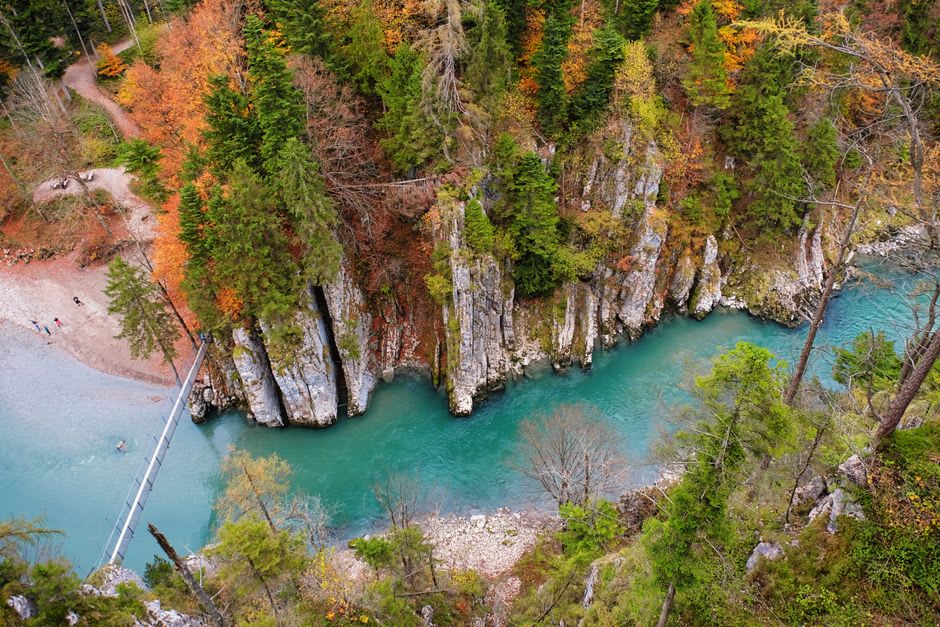
We crossed the Marienbrücke first, the bridge slung across the gorge, because everyone at the ticket office told us to go before the tour groups clogged it. I’m not great with heights and the boards shook a little under the weight of forty tourists all trying to get the same photo, but the view stopped that thought cold — the castle framed by the ravine, the Alpsee lake flat and silver below.
Inside, the rooms felt almost sad in a way I hadn’t prepared for. Ludwig lived here for barely 172 days before he drowned in Lake Starnberg in June 1886, weeks after being declared unfit to rule, and you can feel the unfinished-ness everywhere — chambers that trail off into bare walls, a throne room with no throne. The castle only opened to the public seven weeks after his death, to help settle the debts he’d buried himself in building it. Lia squeezed my hand at that part; there’s something about a man dying for a building he barely got to use.
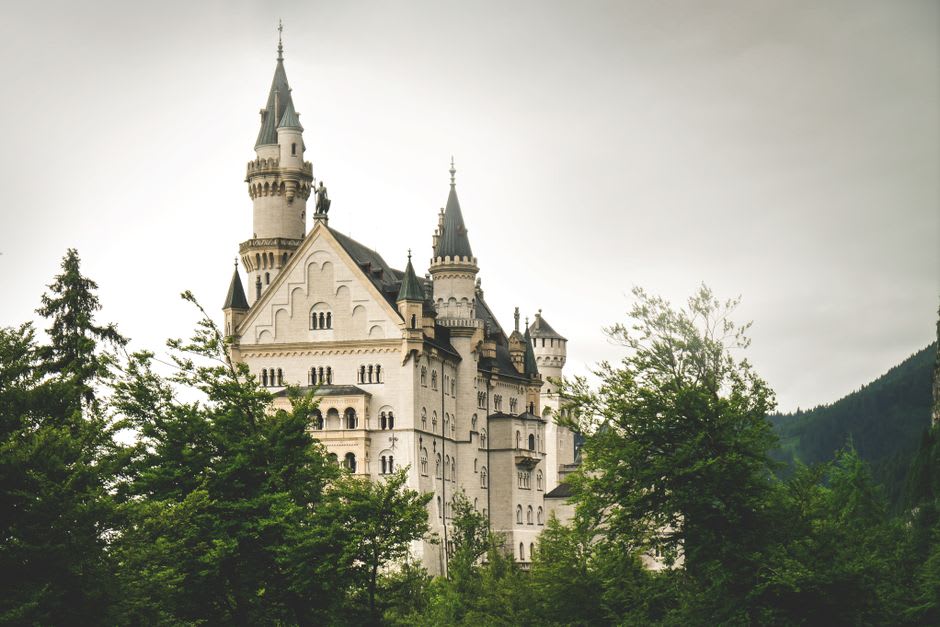
We got coffee afterward at a little stand in Hohenschwangau and just looked back up at it, and I understood suddenly why it looks so familiar even to people who’ve never heard of Ludwig — this silhouette is widely reported to have shaped Walt Disney’s Sleeping Beauty Castle. Over a million people a year make this same walk now, chasing a fantasy built by a king who wanted to be left alone with his.
When to go: We went in late September, right at the edge of the good-weather window, and I’d say aim for May through September if you want full opening hours and clear Alpine views — but honestly, if you can handle the cold, a winter visit with snow on the towers and a fraction of the crowds sounds like the better version of this trip. Whichever season, book your ticket well ahead; there’s no walking up and getting in.
Keep exploring
More from Bavarian Alps
 bavarian-alps
 Oberstdorf
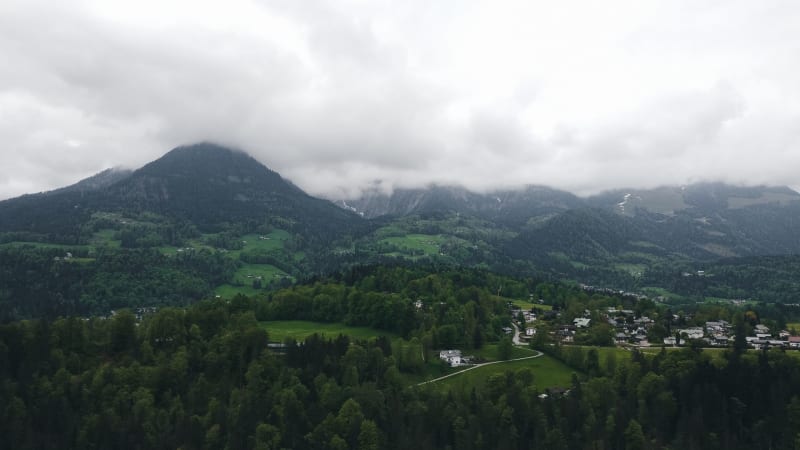
A spa town tucked into Germany's southernmost dead-end valley, where the Allgäu cheese is sharper than the air and that is saying something.
Explore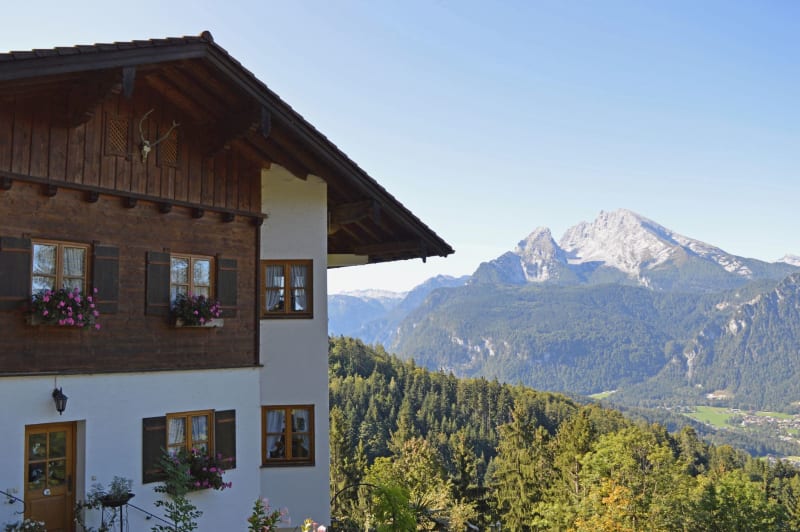 bavarian-alps
 Partnachklamm
A gorge carved so narrowly into the rock that the sky above becomes a thin stripe and the noise of the water is everything.
Explore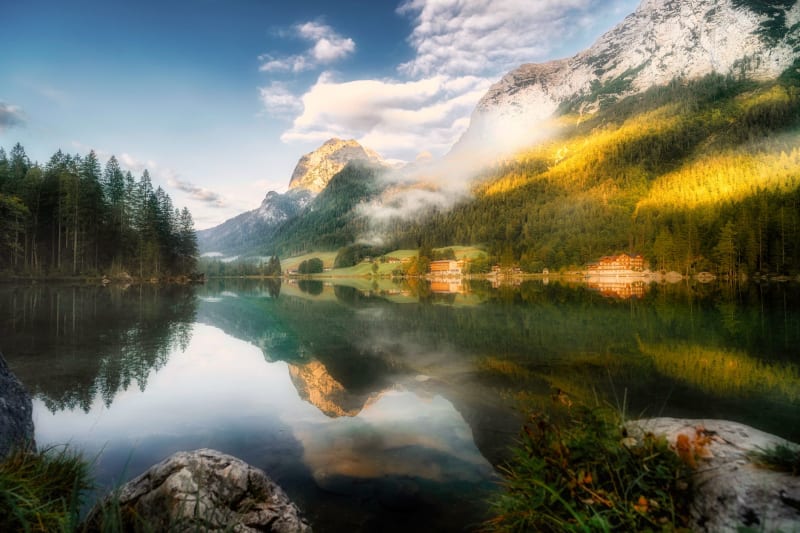 bavarian-alps
 Ramsau bei Berchtesgaden
A village where the church by the stream is photographed a million times a year and somehow remains completely itself.
Explore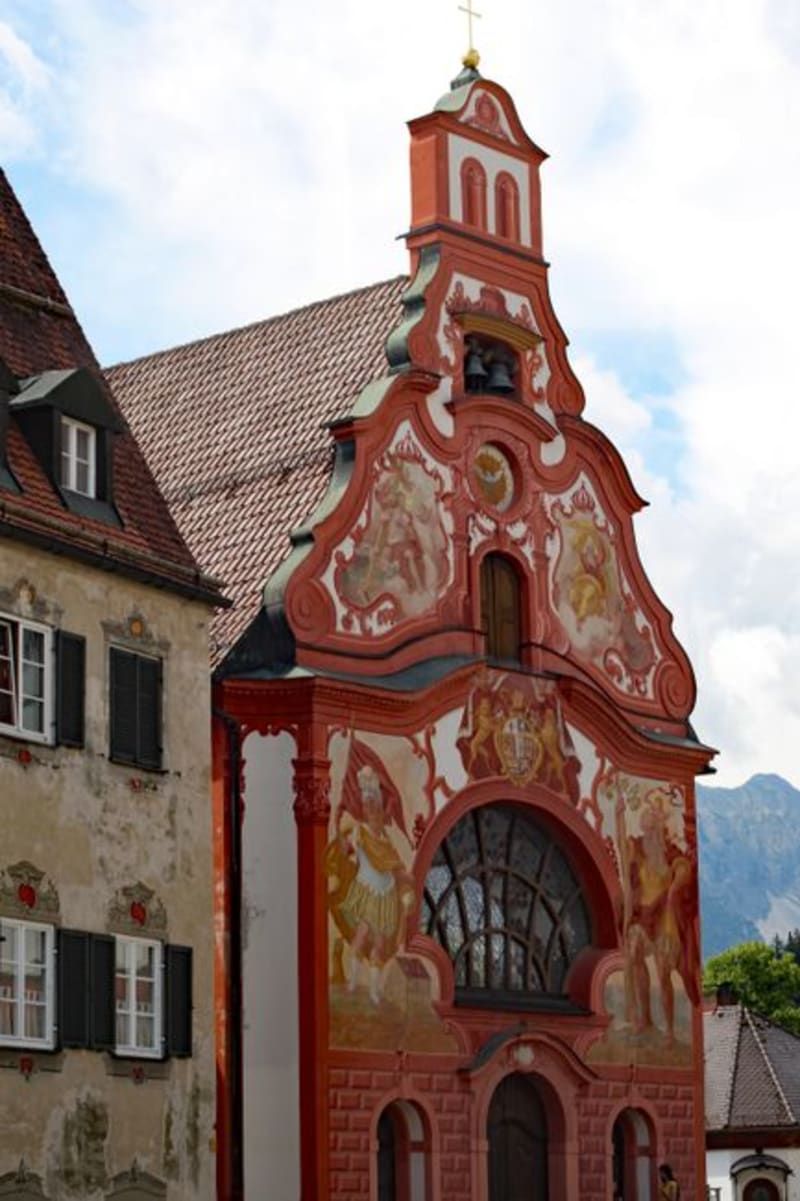 bavarian-alps
 Wieskirche (Church in the Meadow)
A Rococo masterpiece hidden in a Bavarian meadow, built around a weeping wooden statue and still drawing pilgrims two centuries later.
Explore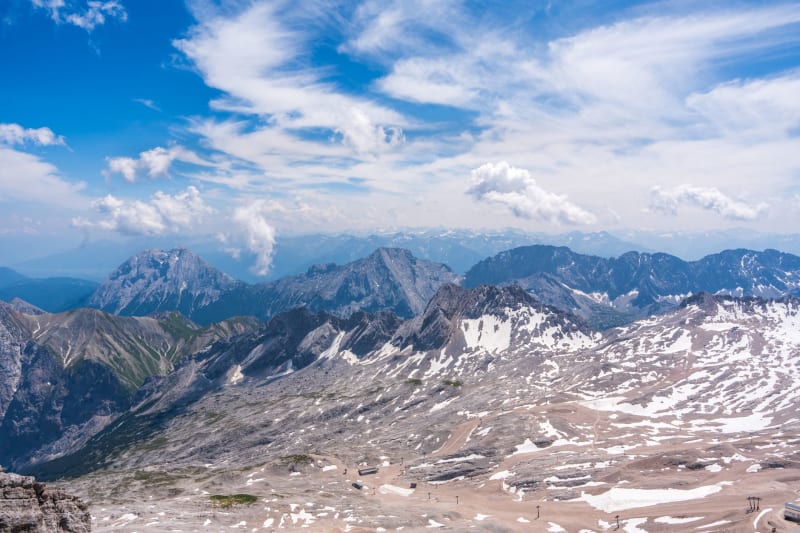 bavarian-alps
 Zugspitze
Germany's highest point at 2,962 meters, where the cogwheel train emerges from solid rock into a world that has nothing to do with the valley below.
Explore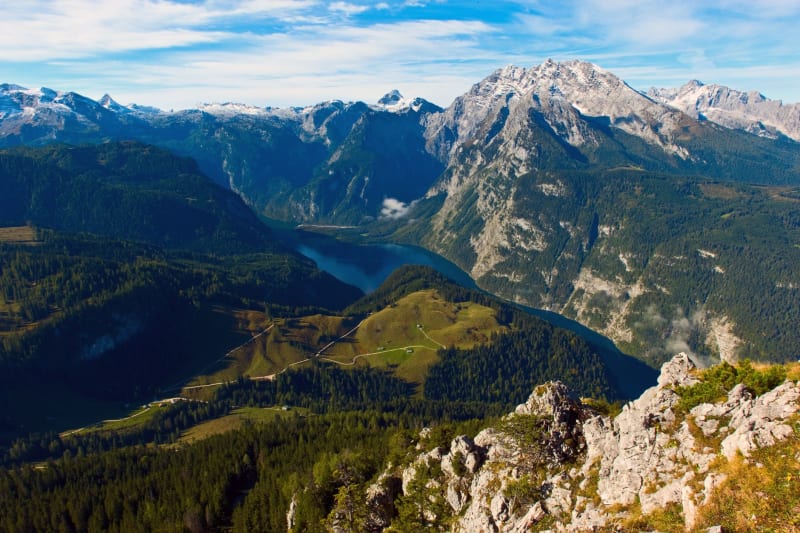 bavarian-alps
 Berchtesgaden
A market town of extraordinary beauty carrying the weight of the worst chapter of the 20th century a thousand meters above it.
Explore