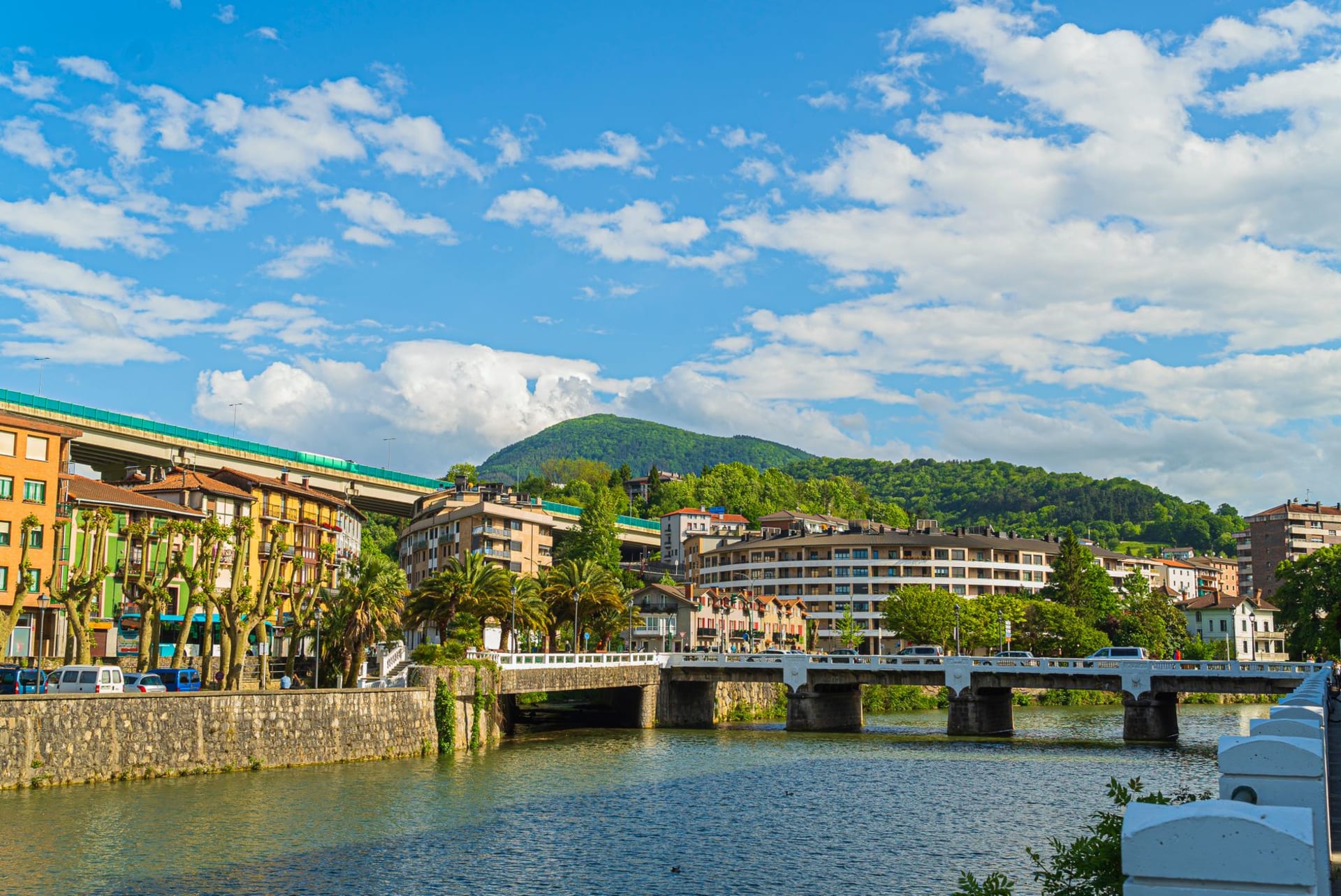
Vitoria-Gasteiz
"Vitoria-Gasteiz is the Basque capital nobody told the tourists about, which is precisely why it works."
Most people move through Vitoria-Gasteiz by accident — a stopover between Bilbao and Madrid, a connection point, a name on a motorway sign. I did the same thing twice before I actually stopped. When I finally did, arriving by train on a Thursday evening in November, the city felt like something running quietly and competently on its own schedule, indifferent to the fact that San Sebastián and Bilbao take all the attention. The bars in the Casco Medieval were filling up. Somebody was frying something that smelled extraordinary. The old town on the hill was lit.
Vitoria-Gasteiz is the administrative capital of the Basque Autonomous Community and the seat of the regional government, which means it has institutions and budgets that most Spanish cities its size don’t have access to. The result is a city that functions: the public transport works, the streets are clean, the parks are maintained. But what interests me is the old town — La Villa — which sits on a small hill above the modern city, enclosed within an oval of medieval walls that traces the original twelfth-century settlement. The street plan inside is a series of concentric arcs following the shape of the hill, so the addresses make a kind of geographic logic. Walking inward from the outer ring is walking backward in time.
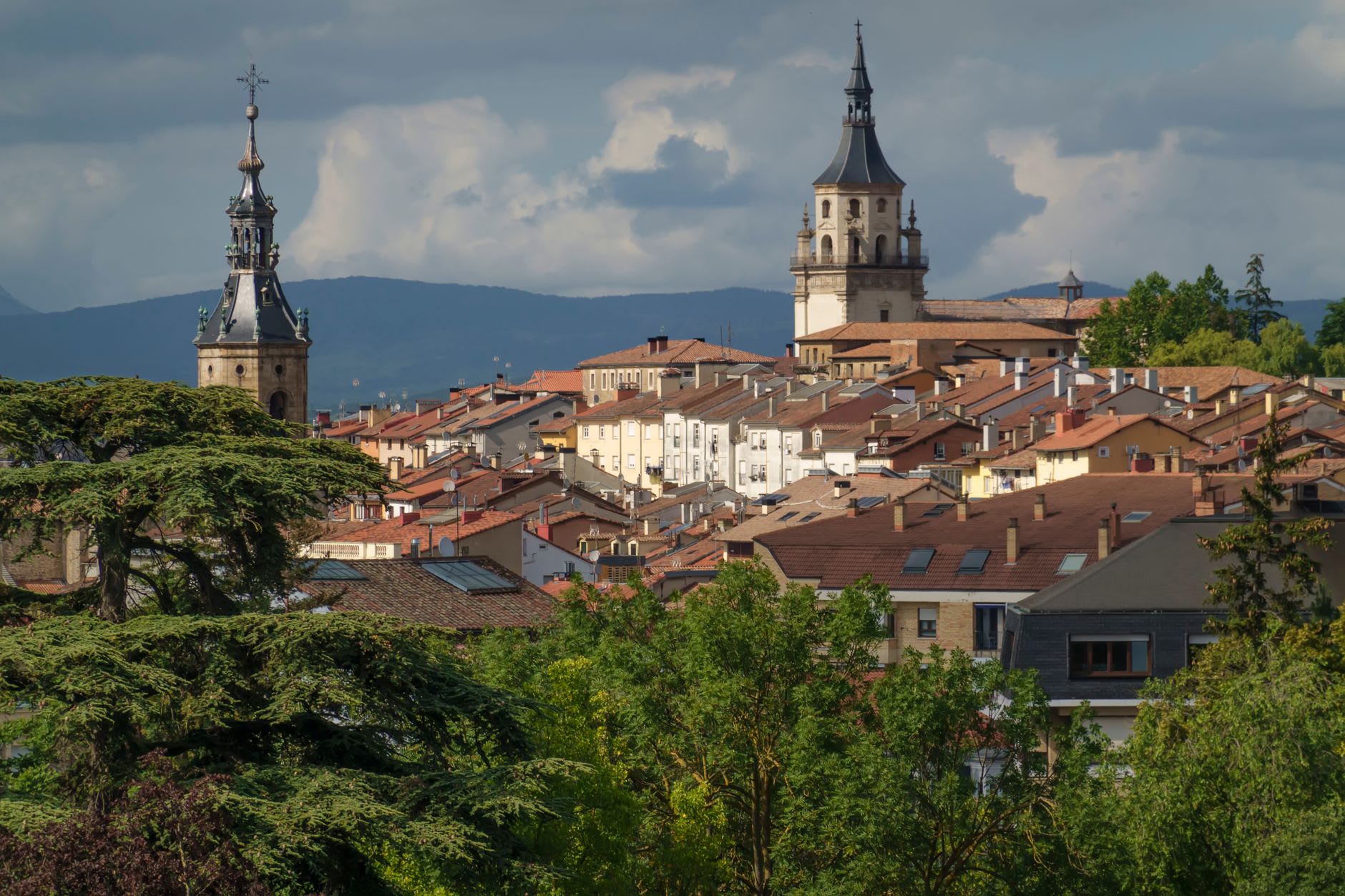
The Cathedral of Santa María sits at the top of La Villa, a Gothic pile that spent decades under an ambitious restoration program and now functions simultaneously as a working cathedral and an archaeology site — you can walk through the scaffolding and see the medieval construction revealed in section, the layers of repair and modification laid bare. It was the setting for Ken Follett’s novel about Gothic cathedrals, which brought a certain kind of literary tourist, but the building itself is its own argument and doesn’t need the association.
The pintxos bars in the old quarter run along Calle Cuchillería and the surrounding streets. The style here is different from Donostia — less competitive, the counters less aggressively laden, the atmosphere more neighbourhood-bar than performance. I ate at three counters in a single evening — a mushroom and idiazabal tart, a prawn brochette with aioli, a slice of blood sausage on bread with a pickled onion — and drank a txakoli that turned out to be from a producer I’d never heard of and couldn’t find again afterward.
Around the edges of the city, the Anillo Verde — the Green Belt — is a chain of parks and nature areas encircling the urban zone, an environmental project that was ambitious when it began in the 1990s and has since been held up as a model for European cities. The Salburua wetlands within the belt have become a significant bird habitat, with cranes wintering there in numbers that surprise people who don’t expect wildlife in the middle of a capital city. I walked part of it on a grey morning and came back with mud on my boots and a clear head.
When to go: The city is good year-round but particularly pleasant in spring and early summer. The Fiesta de la Virgen Blanca in early August brings the city’s biggest celebration to the streets with fireworks and a parade that fills the Plaza de la Virgen Blanca. Weekday evenings for the pintxos bars — quieter than the weekend, the regulars more present.