Europe
Basque Country
"I came for the pintxos and stayed because I couldn't explain the place."
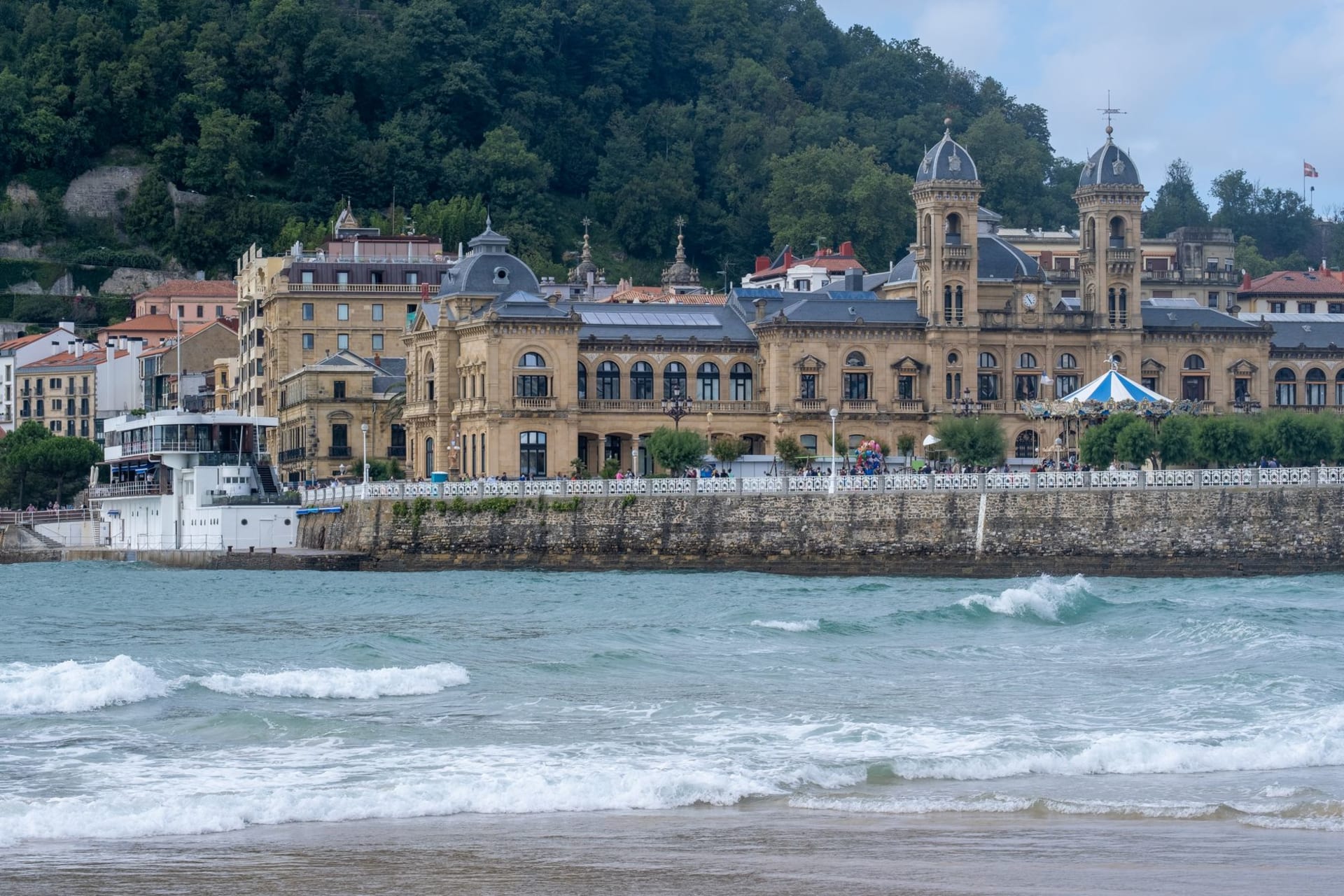
I arrived in San Sebastián on a Tuesday morning in October, stepping off a train from Bordeaux into a grey drizzle that somehow felt entirely appropriate. The Basque Country doesn’t try to seduce you with sunshine. It earns you through atmosphere — the smell of the estuary at low tide, the clack of shuffleboard tokens in a cider house, the way a bartender slides you a glass of txakoli without being asked, pouring it from arm’s length so the foam catches the light.
What I wasn’t prepared for was how serious the food is. Not serious in a Michelin-starred, hushed-dining-room way — though that exists here too. Serious in the sense that a bar in the old quarter of Donostia treats a slice of anchovy on toast as something that deserves your complete attention. I spent three days eating my way through the Parte Vieja, standing at counters with a glass in one hand, choosing pintxos with the other, and slowly understanding that this is a culture that has decided, collectively and irrevocably, that eating well is not a luxury. It’s the baseline.
Bilbao surprised me more. The city has a reputation that runs ahead of it — the Guggenheim, the urban regeneration story, the before-and-after photographs. I expected a self-congratulatory art-city glow. What I found was a working port town that happens to have a titanium museum in it, where people still argue about Athletic Club in bar corners and the Casco Viejo smells like fried fish and old stone. The Guggenheim is genuinely extraordinary, but the city is interesting in spite of its fame, not because of it.
Inland, toward Gernika and the valley villages, the Basque Country becomes something quieter and harder to categorize. Farmhouses with carved lintels, sheep on hillsides steep enough to make you nervous, a language — Euskara — that shares no root with any other tongue on earth. That last fact hits you differently when you’re standing in front of a road sign that looks entirely invented.
When to go: September and October are the sweet spot — summer crowds have thinned, the sea is still swimmable if you’re French or stoic, and the light on the coast turns everything gold. Spring (April–May) is green and quiet. Avoid August if you want breathing room in San Sebastián’s old town.
What most guides get wrong: They treat San Sebastián and Bilbao as a two-city itinerary and leave it at that. The Basque Country’s identity isn’t in its headline cities — it’s in the space between them. The cider houses outside Donostia where you pull your own pour from a barrel. The coastal village of Getaria where the txakoli comes from. The mountain road to Arantzazu that ends at a modernist basilica in the middle of nowhere. The cities are the appetizer. Give yourself time for the rest.