
Hondarribia
"You stand at the port and watch France across the water — close enough to swim, far enough to be somewhere else entirely."
I came by ferry from Hendaye — a five-minute crossing that costs almost nothing and deposits you at a small dock below the old town walls. The French shore disappears behind you in less time than it takes to zip up a jacket, and Hondarribia opens ahead: the painted wood balconies of La Marina hanging over the waterfront, boats tied at the dock, the smell of low tide and grilled fish coming from somewhere up the narrow hill. The border between France and Spain runs through the middle of the Bidasoa river mouth, which is to say: it runs through the water immediately beneath the ferry, invisible, a fact of administration rather than geography.
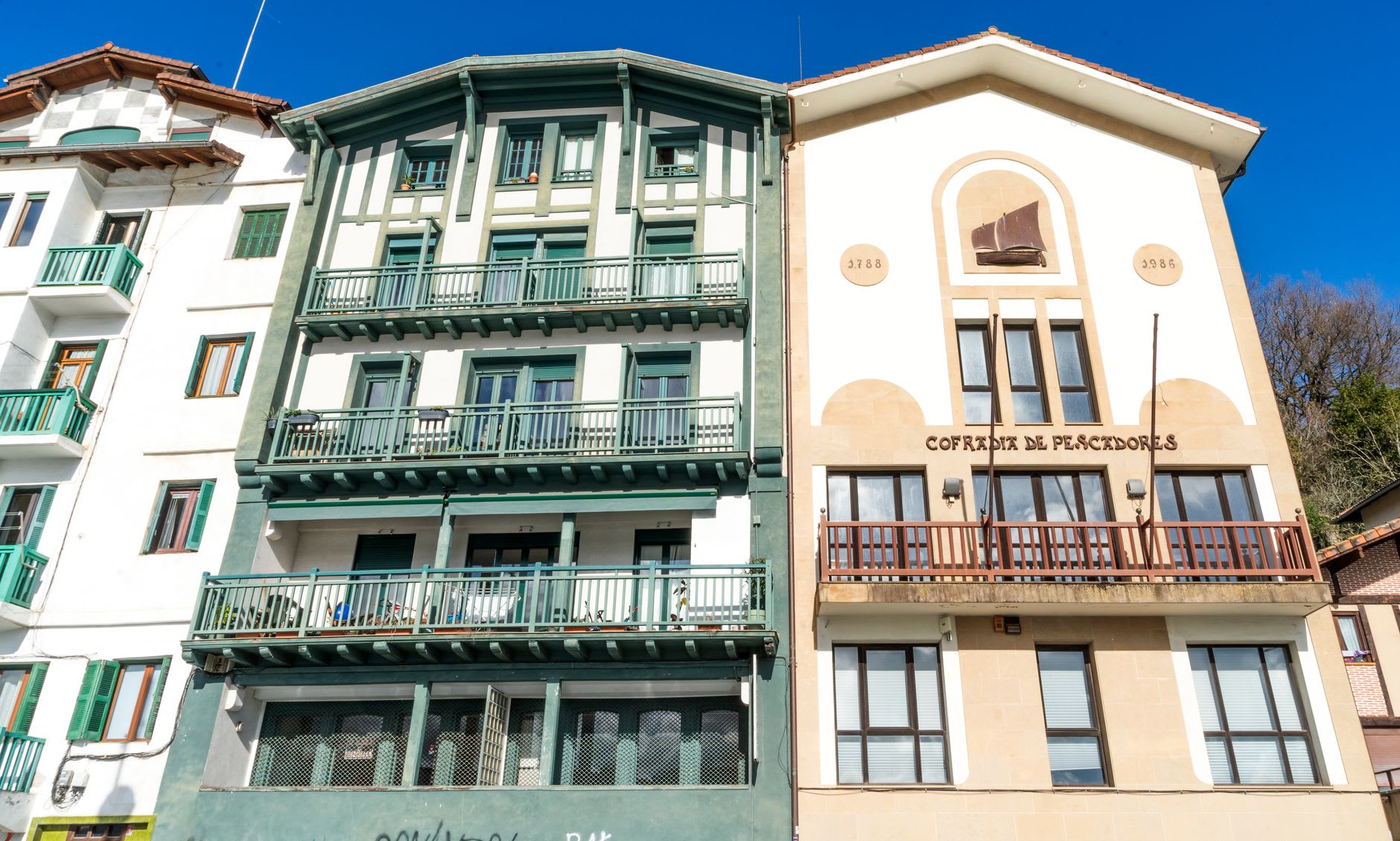
La Marina is the fishermen’s quarter at the base of the old town — the part of Hondarribia that most photographs are taken of, and understandably so. The houses are painted in deep reds and greens and ochres, with wooden balconies carved in the Basque style and geraniums hanging from the railings. It is a neighborhood that wears its photogenicity with indifference; the bars that line the ground floors are busy with people who live here, not only with people who came to photograph the buildings. I sat at a pavement table on a Tuesday afternoon and drank txakoli from a local producer and ate a plate of percebes — goose barnacles, strange and oceanic and deeply good — and watched a fisherman lay out equipment on the dock with the methodical calm of someone who has done it ten thousand times.
Above La Marina, the medieval upper town sits within walls that have been reinforced and repaired since the eleventh century. The gate into the upper town is a proper defensive arch — narrow, stone, designed for the military reality of a frontier position. Inside, the streets are cobbled and the houses are the older, more austere version of Basque architecture, the balconies enclosed in glass rather than open. The castle at the top of the hill has been converted into a Parador — the Spanish state hotel chain’s way of making old fortresses financially viable — and the interior courtyard, with its stone columns and the view toward France, is the kind of place where you order something and sit longer than you planned.
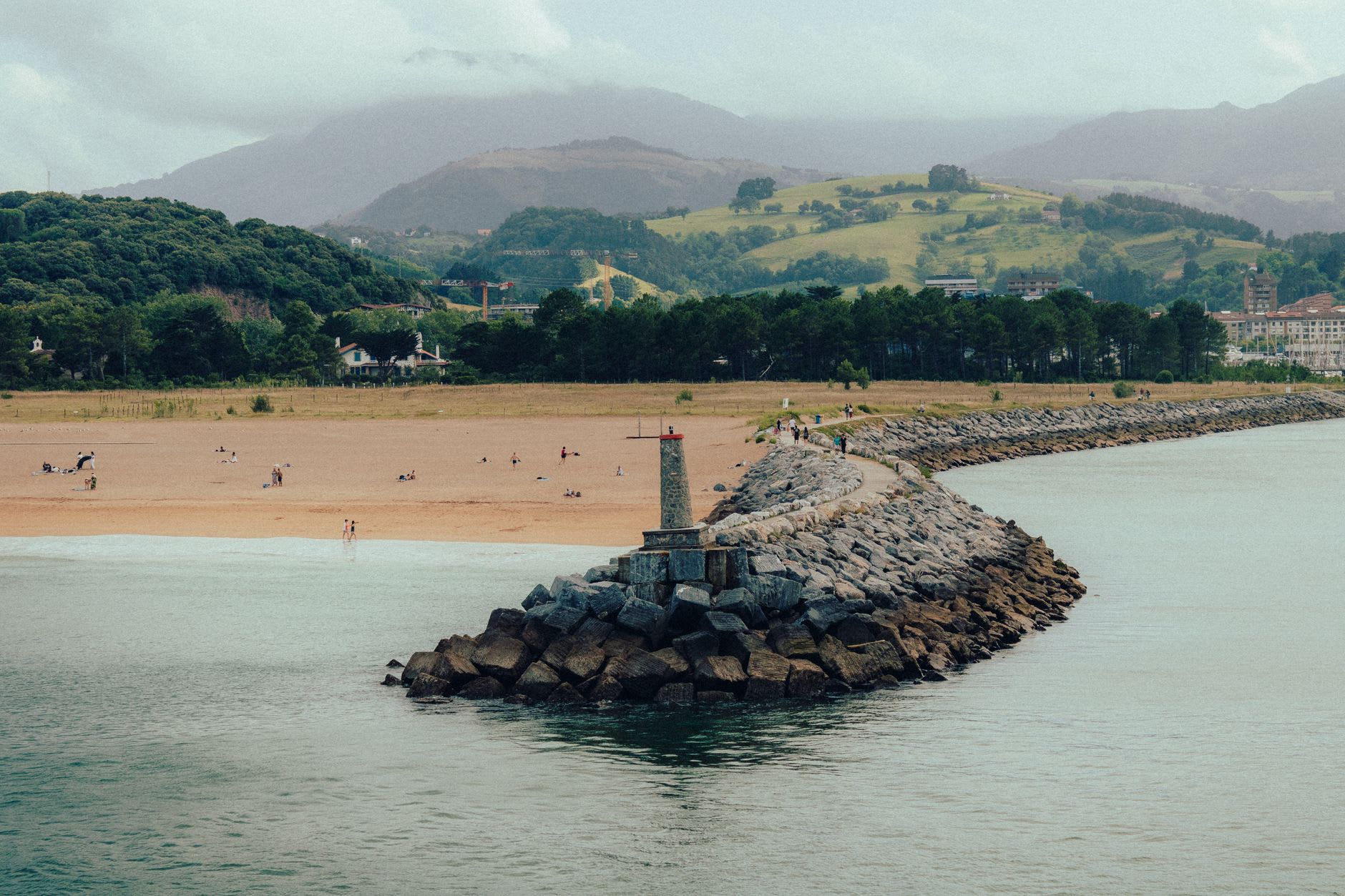
The harbor front east of La Marina runs along the river mouth, and from the breakwater at the end you look directly across at Hendaye. The French town has a different skyline — modern apartment blocks, a resort waterfront — and the contrast is instructive. France built its version of this estuary for twentieth-century leisure. The Spanish side built it in the eleventh century for military survival, and the result is more interesting. The txakoli bars in Hondarribia pour from a different producer than those in Getaria — more mineral, slightly more austere — and the pintxos in the upper town bars run to anchovy combinations that feel particular to this corner of the coast.
When to go: Spring and early summer are ideal — the town is alive without being overcrowded, the harbor is working, and the weather on the coast is mild. August is festive and very busy. The ferry from Hendaye operates year-round and makes Hondarribia accessible as a day trip from either side of the border, or from San Sebastián, which is about twenty minutes by bus.