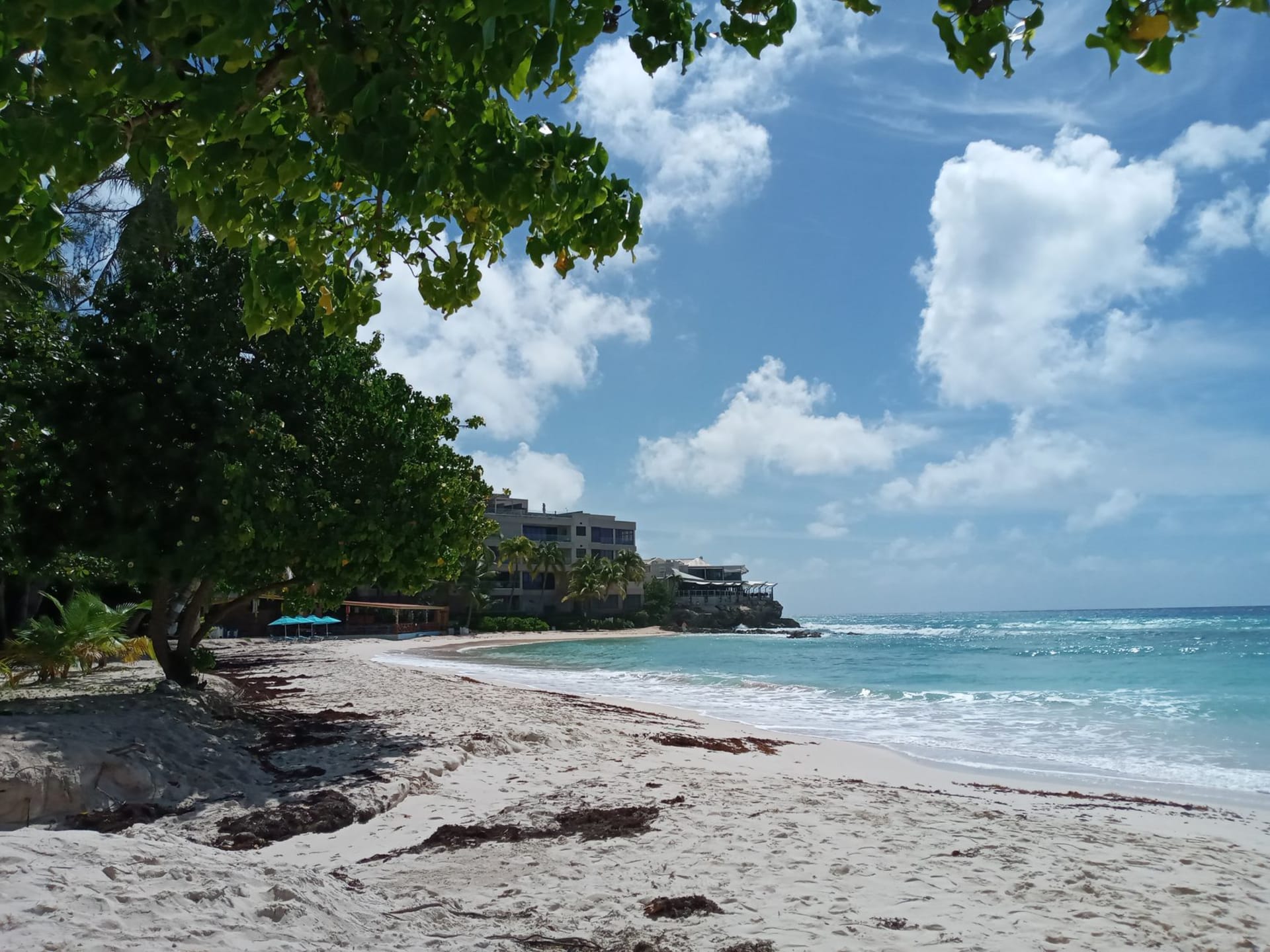
Caribbean
Barbados
"I came for the beach and stayed for the breadfruit."
The island where British formality meets rum-soaked freedom — and somehow the tension makes it unforgettable.

I arrived at Grantley Adams on a Tuesday afternoon in late January, sweating through my shirt before I’d even cleared customs. The officer stamped my passport with the deliberate precision of someone who had seen every type of tourist imaginable and was not remotely interested in becoming friends. That told me something useful: this is not an island that performs Caribbean warmth for your benefit. Barbados has its own rhythm, and you either find it or you don’t.
The west coast — the Platinum Coast, as locals call it with a complete absence of irony — is where the money goes to be comfortable. Calm water, elegant hotels, tourists who booked eighteen months in advance. I spent one afternoon there, swam in water so clear it felt almost synthetic, and then took a bus heading east. The Atlantic side is where the island reveals its actual character. Bathsheba, up on the rocky northeast coast, is all crashing surf and wind-bent casuarina trees and fishermen who are not setting a scene for anyone. I sat at a wooden shack and ate fried flying fish with bakes — fried dough, essentially — and a Banks beer, and understood in about three bites why Barbadians are quietly evangelical about their own cuisine. It is not showy food. It is deeply satisfying food, which is a different thing entirely.
Bridgetown itself surprised me. The historic warehouses along the Careenage, the cricket obsession announced on every street corner, the Parliament buildings that look transplanted from a provincial English town — there’s a self-possession here that other Caribbean islands sometimes lack. Barbados was British for over three centuries and it has not spent the years since independence pretending otherwise. Instead it absorbed what it wanted — the architecture, the cricket, a fondness for horse racing — and built something entirely its own around it. I wandered into a rum shop on James Street around four in the afternoon and ended up in a conversation about the 2019 World Cup that lasted until dark.
When to go: December through April is the dry season and undeniably the most comfortable — low humidity, reliable sun, evenings that actually cool down. But I’d argue January and February specifically hit the sweet spot before the peak crowds of March break descend. If you can handle the occasional downpour, June and July offer dramatically lower prices and a more local atmosphere.
What most guides get wrong: They frame Barbados as a luxury beach destination with a side of culture, which gets the proportions exactly reversed. The beaches are genuinely beautiful, yes, but what makes the island worth going to is the food culture, the rum culture, and a local population that has a very clear sense of who they are. Skip the resort corridor. Rent a car, drive the east coast road, eat at a rum shop, watch a cricket match if the timing works. That’s the actual island.
Explore
Places in Barbados
 barbados
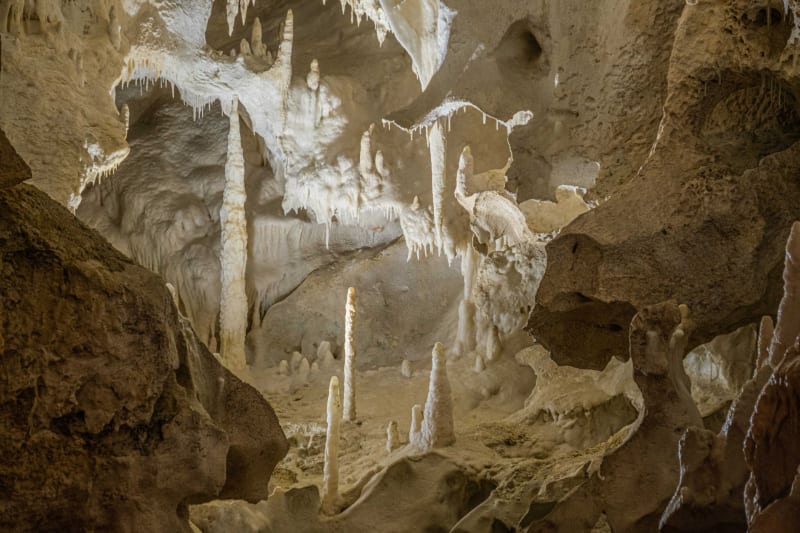
 Animal Flower Cave
Sea caves carved into the island's northernmost cliffs where the Atlantic punches in through the rock and sea anemones pulse in the pools.
Explore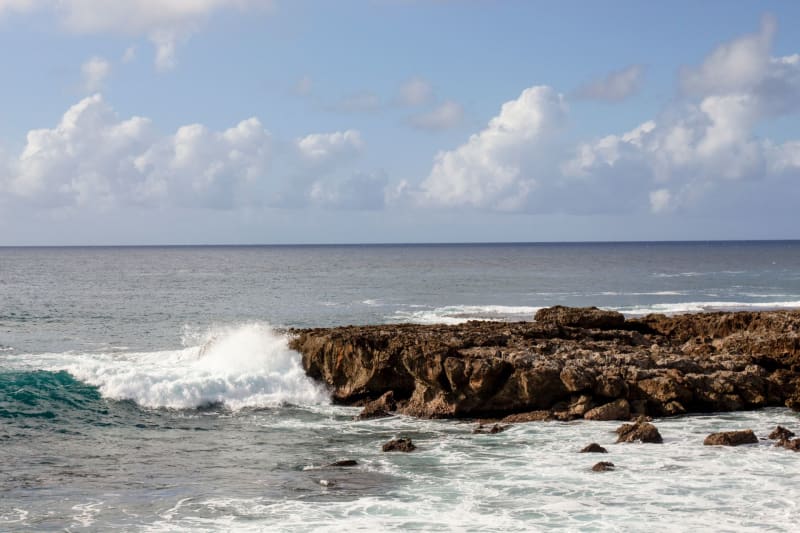 barbados
 Bathsheba
The Atlantic-battered northeast coast where Barbados stops performing for tourists and just exists.
Explore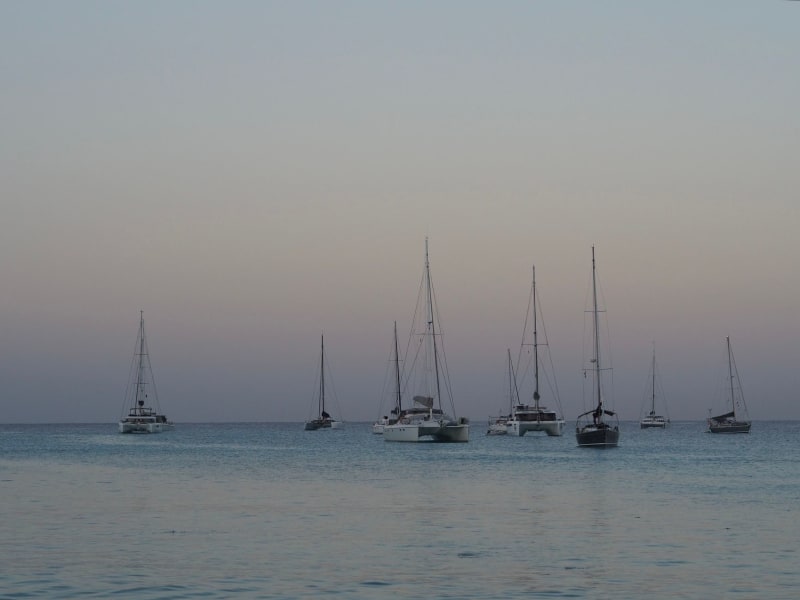 barbados
 Bottom Bay
A wild, palm-fringed cove on Barbados' rugged southeast coast, beautiful to look at and entirely the wrong place to swim.
Explore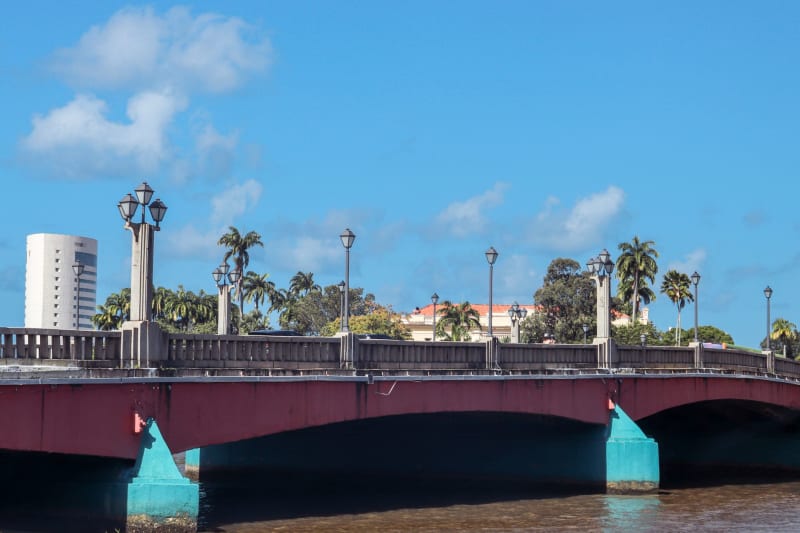 barbados
 Bridgetown
A Caribbean capital that wears its colonial past without apology and rewards anyone who wanders off the main drag.
Explore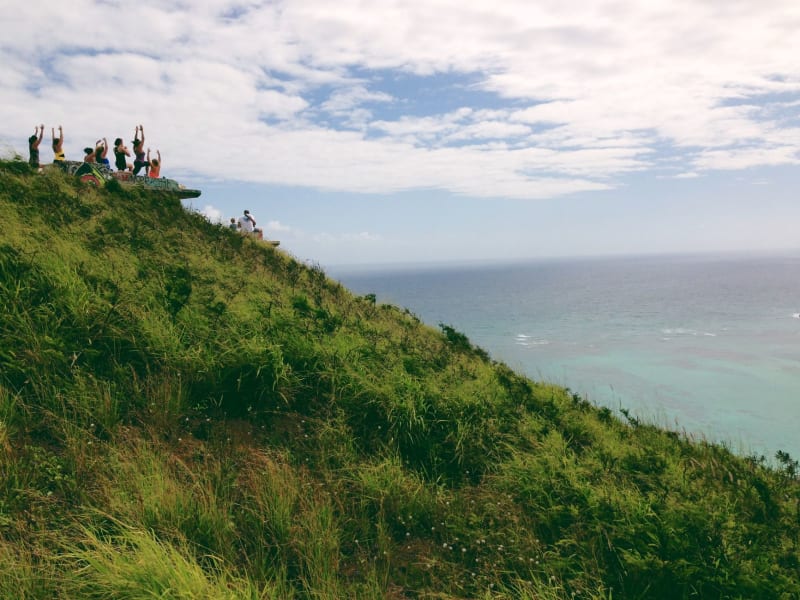 barbados
 Cherry Tree Hill
A mahogany-lined ridge in the Scotland District with a panorama that makes you reconsider everything you thought you knew about Barbados.
Explore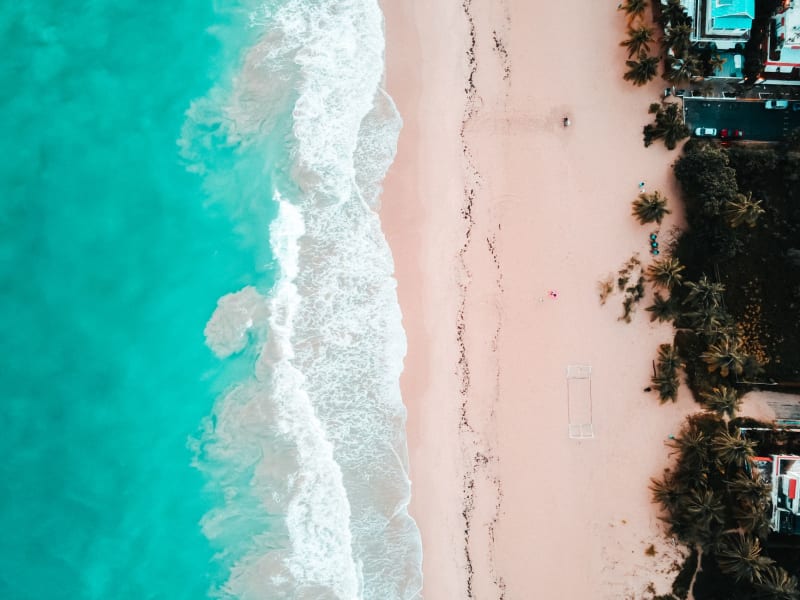 barbados
 Crane Beach
A south-east cove of pink-tinged sand and rolling surf that has been considered Barbados's most beautiful beach since the 1700s and hasn't stopped being right.
Explore barbados
 Farley Hill
A former great-house estate turned national park in St. Peter, its shaded lawns and ruined mansion overlooking the wild Atlantic coast.
Explore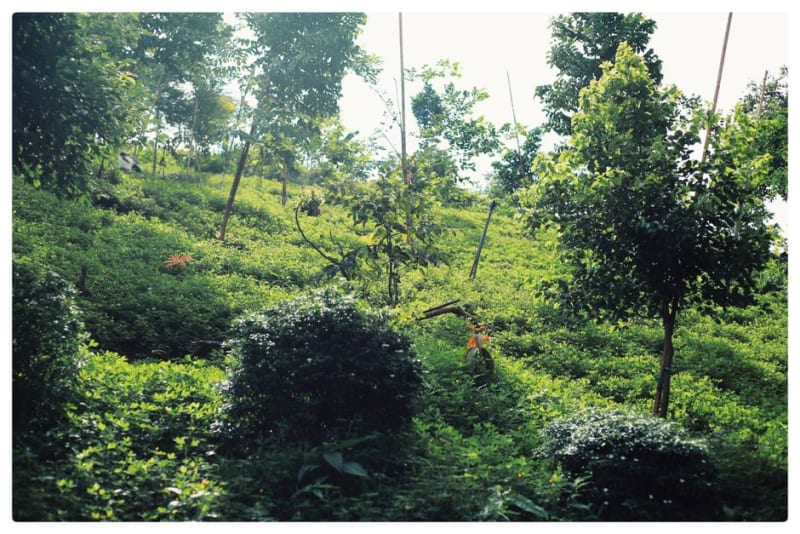 barbados
 Flower Forest
A hillside botanical garden in St. Joseph parish where winding paths open onto sweeping views across Barbados's wild east coast.
Explore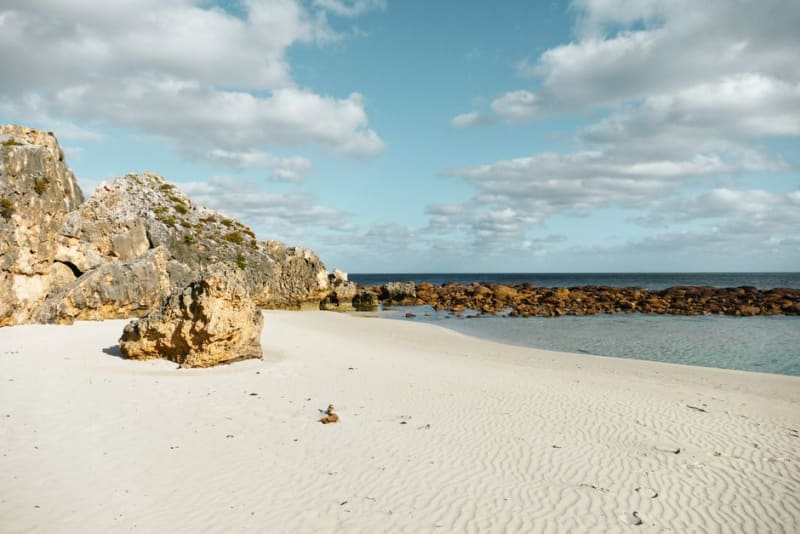 barbados
 Foul Bay
A secluded, ruggedly beautiful beach on Barbados's less-developed southeast coast, reached by a dirt track and largely left to the pelicans.
Explore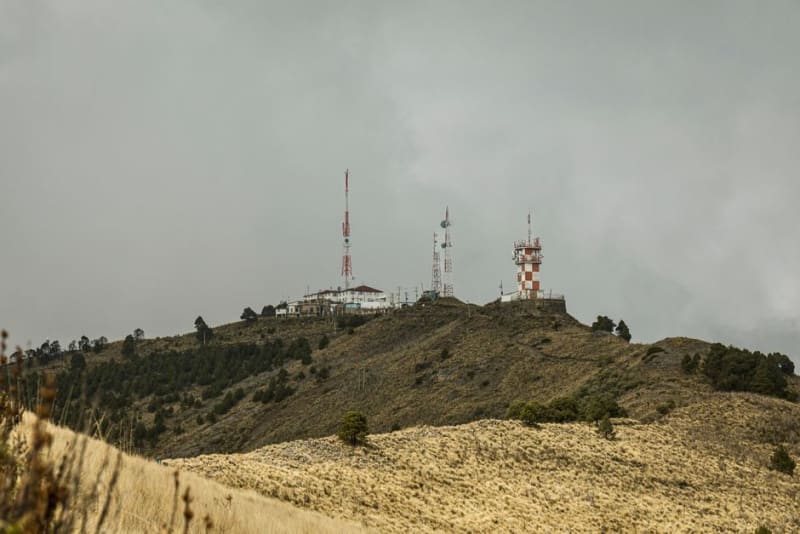 barbados
 Gun Hill
A historic 19th-century signal station perched on a ridge in St. George, its panoramic terrace looking out over nearly half of Barbados.
Explore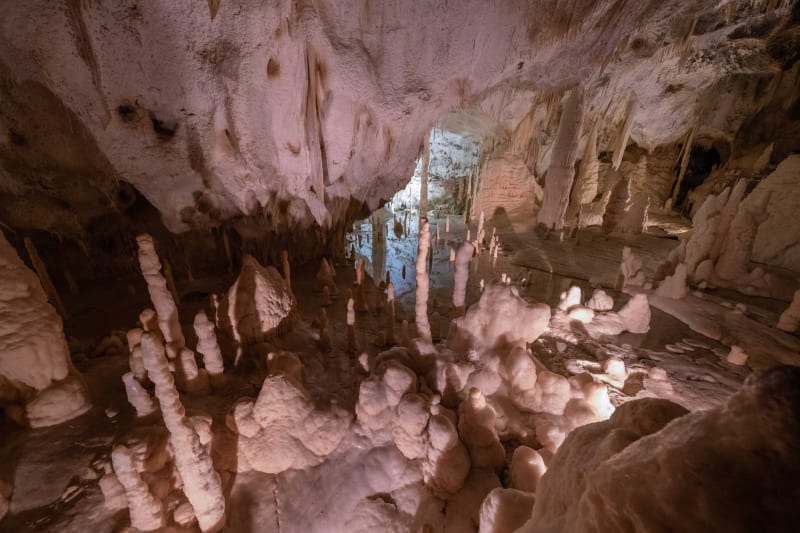 barbados
 Harrison's Cave
A cathedral of limestone and dripping calcite hidden under the island's green centre, genuinely otherworldly.
Explore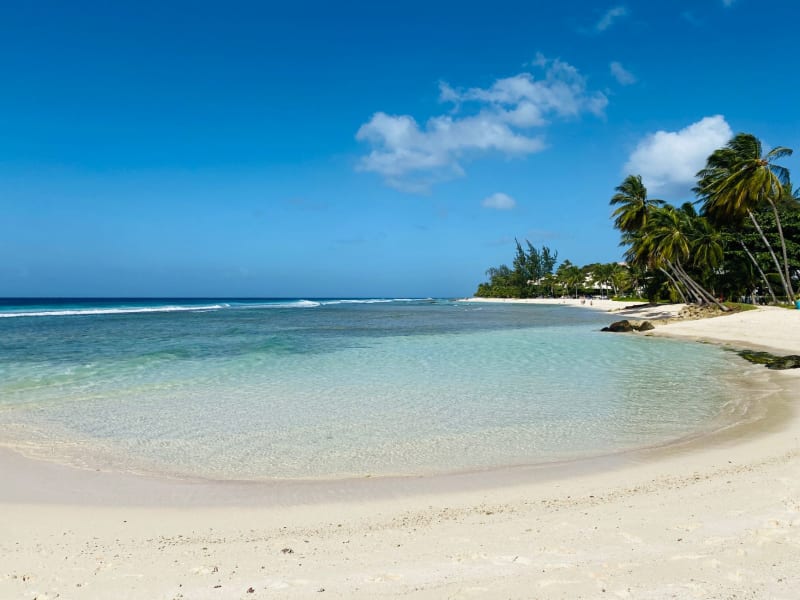 barbados
 Holetown
Where English settlers first landed in 1627, now a west coast town that balances serious history with serious rum punch.
Explore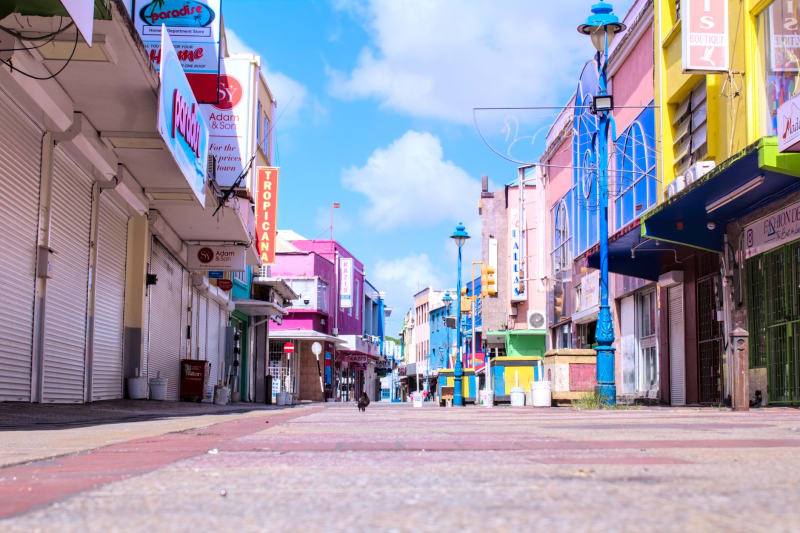 barbados
 Oistins
A working fishing town that puts on the Caribbean's most honest fish fry every Friday night, no performance required.
Explore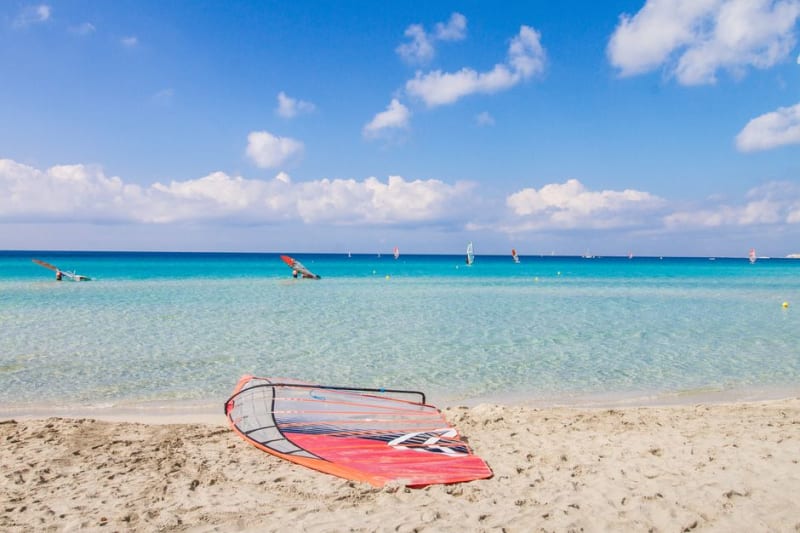 barbados
 Silver Sands
A windsurfing beach on Barbados's south coast where steady trade winds turn the water into a runway of white sails and chop.
Explore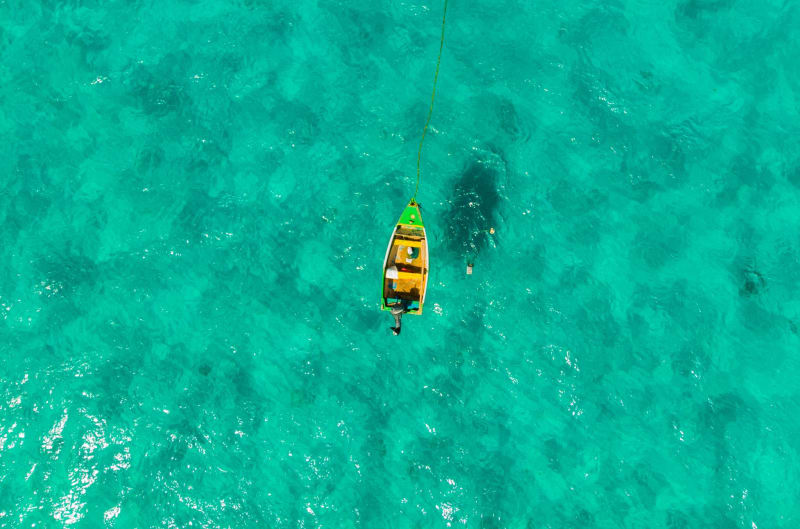 barbados
 Speightstown
Barbados's second city and its most intact colonial streetscape, slow enough to actually see and small enough to actually know.
Explore barbados
 St. Lawrence Gap
The south coast strip where Barbados lets its hair down after dark — louder and more fun than it has any right to be.
Explore