Farley Hill
"We spread a blanket in the shade of a mahogany tree that was probably older than the country itself and just stayed."
A former great-house estate turned national park in St. Peter, its shaded lawns and ruined mansion overlooking the wild Atlantic coast.

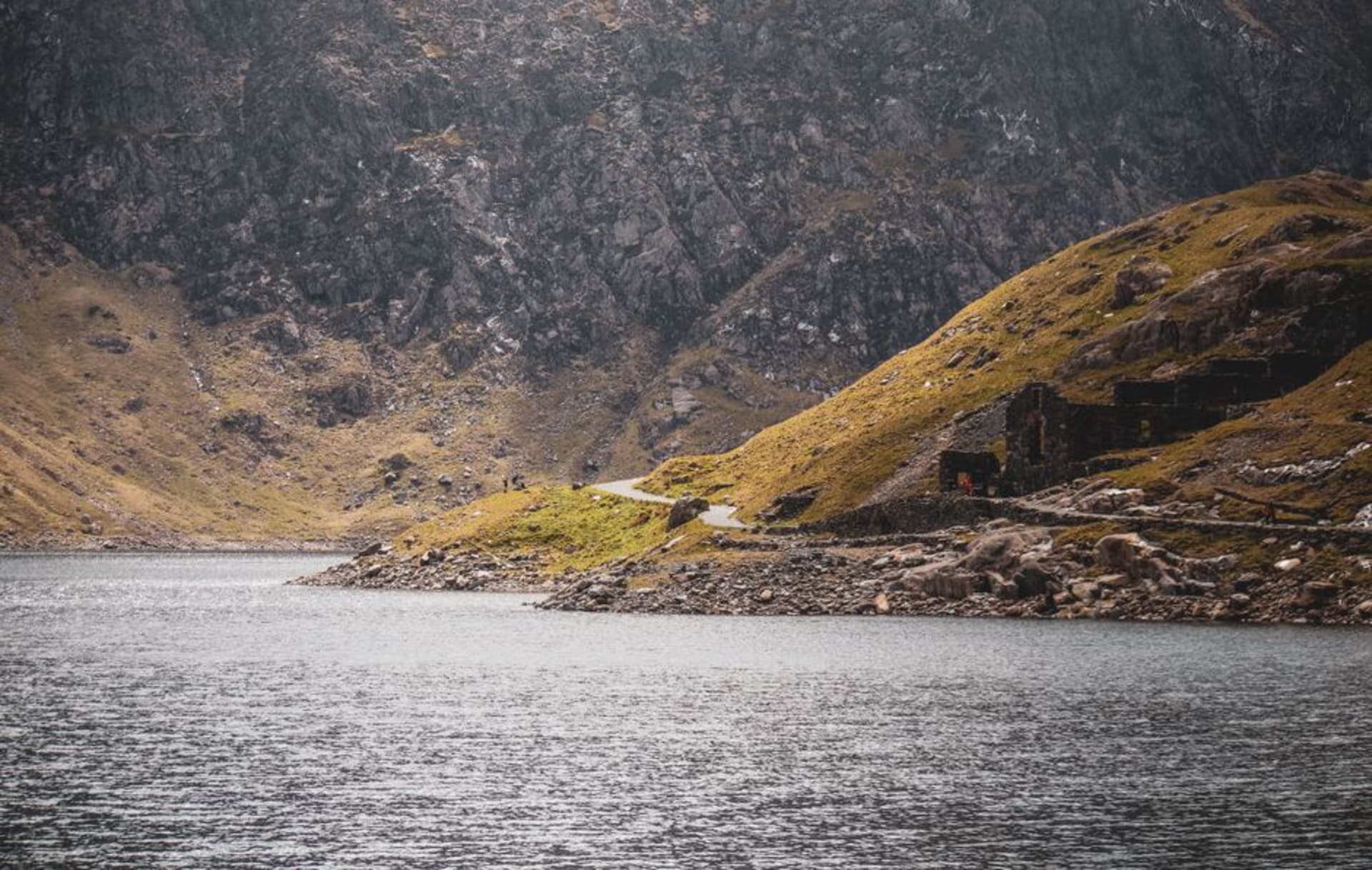
Farley Hill is one of those places I found by paying attention to a throwaway line in a guidebook rather than any big recommendation, and I’m glad I did. It’s a national park now, but it used to be the grounds of a grand plantation great house, and what’s left standing is a shell — roofless stone walls, empty window frames, a facade you can walk right through where a front door used to be. There’s something about a ruin like that, half-swallowed by lawn and trees, that hits differently than a restored building would.
The drive up through St. Peter parish is worth it on its own, all winding roads through cane fields with the land rising steadily, and then you come out under a canopy of enormous mahogany trees that were apparently planted more than a century ago and have gotten genuinely huge. Lia and I parked the car and just walked for a while under them before we even got to the ruins, and it was noticeably cooler in that shade than anywhere else we’d been on the island that day.

Past the ruined house the land opens onto a wide lawn that runs right to a cliff edge, and from there the Atlantic view is properly dramatic — none of the calm turquoise of the west coast, just dark blue water and whitecaps rolling in against a rugged shoreline far below. It’s the kind of Barbados coastline that doesn’t make it onto as many postcards, rougher and more elemental, and standing up there with the wind coming hard off the water felt like a genuinely different island than the one we’d been swimming off a few days earlier near Holetown.

We ended up staying most of the afternoon, which wasn’t really the plan. There were a few families having picnics, someone flying a kite off the cliff lawn, and otherwise it was quiet enough that Lia fell asleep against the blanket for twenty minutes while I wandered the ruins alone, trying and mostly failing to picture what the house would have looked like in its working days. It’s not a polished attraction with much explanation on-site, and I think that’s part of what I liked about it — it leaves you room to just sit with the place.
When to go: Go on a weekday afternoon for the quietest experience, and bring a picnic — there’s shade, space, and one of the better free views on the island, but very little in the way of food or facilities on site.
Keep exploring
More from Barbados
 barbados
 Flower Forest
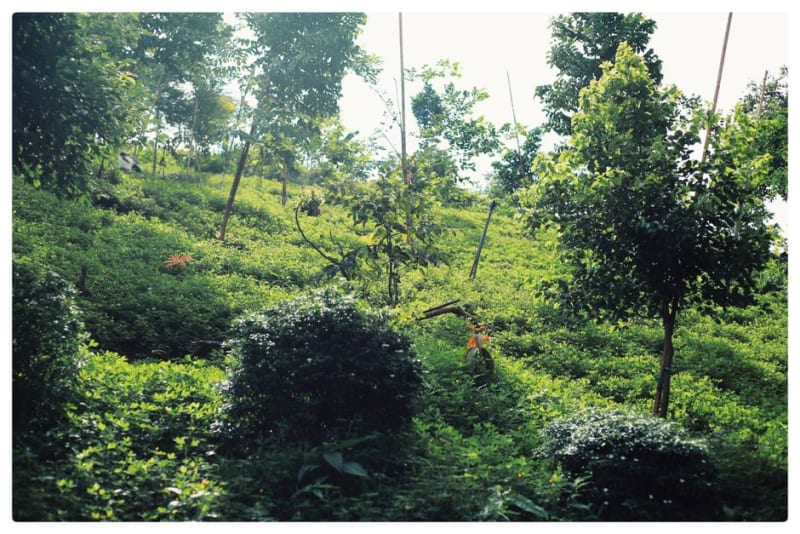
A hillside botanical garden in St. Joseph parish where winding paths open onto sweeping views across Barbados's wild east coast.
Explore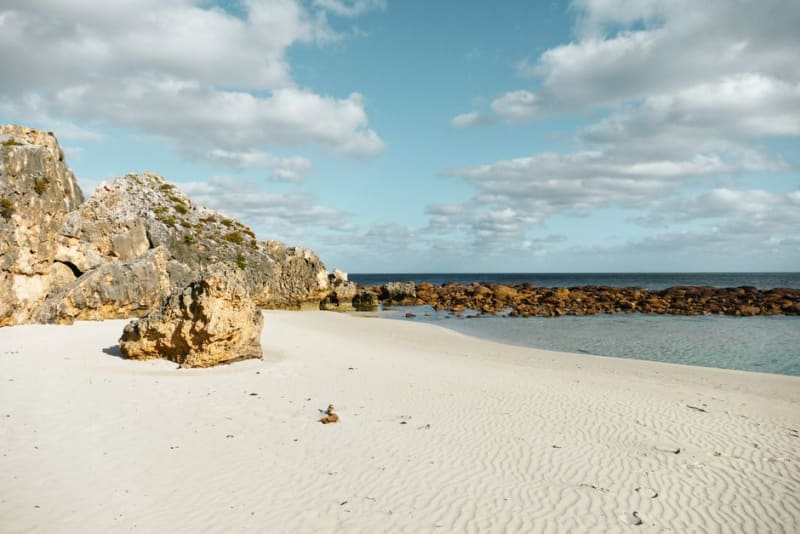 barbados
 Foul Bay
A secluded, ruggedly beautiful beach on Barbados's less-developed southeast coast, reached by a dirt track and largely left to the pelicans.
Explore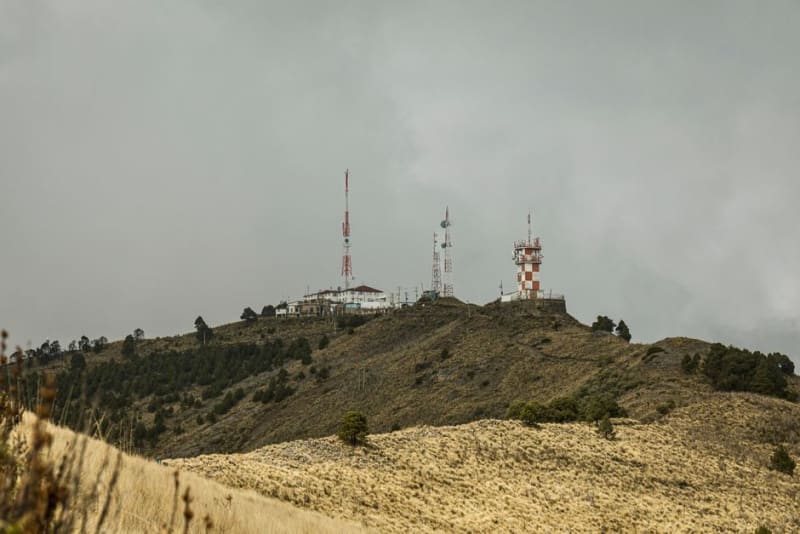 barbados
 Gun Hill
A historic 19th-century signal station perched on a ridge in St. George, its panoramic terrace looking out over nearly half of Barbados.
Explore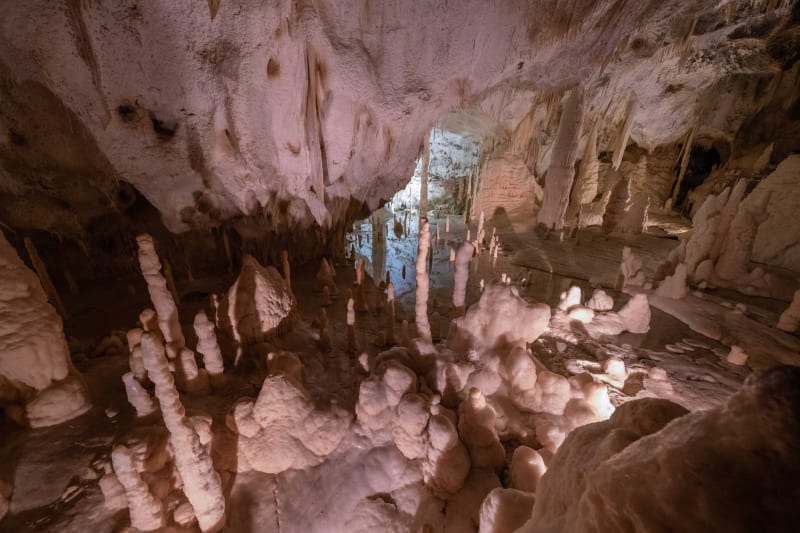 barbados
 Harrison's Cave
A cathedral of limestone and dripping calcite hidden under the island's green centre, genuinely otherworldly.
Explore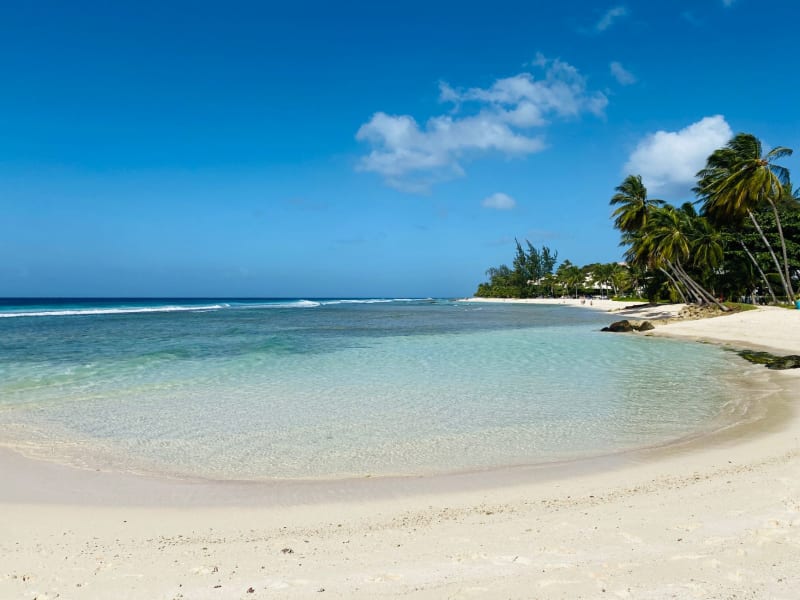 barbados
 Holetown
Where English settlers first landed in 1627, now a west coast town that balances serious history with serious rum punch.
Explore barbados
 Oistins
A working fishing town that puts on the Caribbean's most honest fish fry every Friday night, no performance required.
Explore