Tegalalang Rice Terrace
"I stood there with my coffee going cold, doing the math on nine centuries of people sharing water fairly."
Emerald paddies cascading down a river valley north of Ubud, carved by a nine-century-old cooperative irrigation system.
We left Ubud before sunrise, which felt absurd at the time — Lia kept asking why we couldn’t just show up at a normal hour like everyone else. I’d read that Tegalalang gets swallowed by tour buses after nine, and I didn’t want our first look at those terraces to be over someone’s selfie stick. So we drove the twenty minutes north in the dark, and by the time we parked, the sky was doing that soft grey-pink thing it does right before it commits to being morning. There was almost nobody there. Just us, a rooster somewhere, and this enormous green amphitheater dropping away into the Petanu River valley.
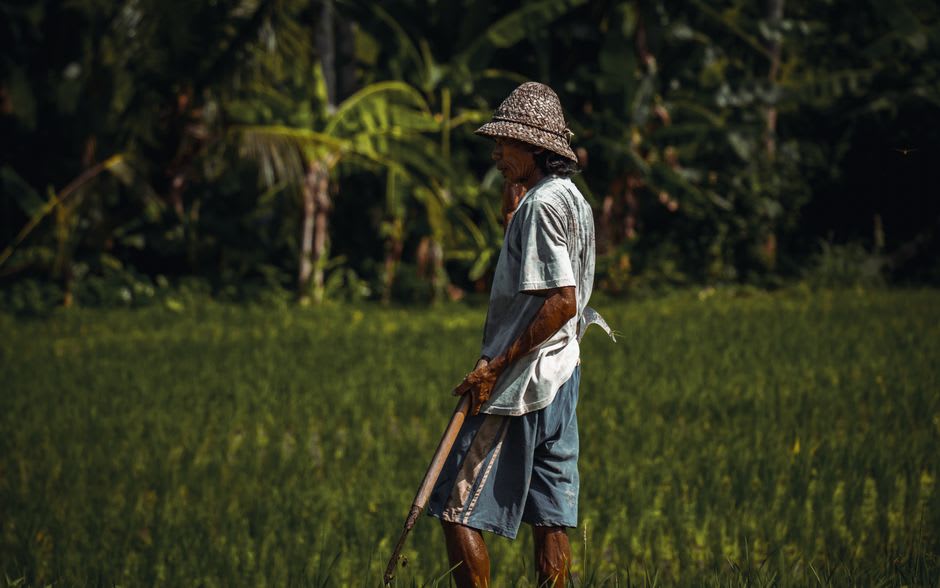
What got me wasn’t just the prettiness of it, though it is genuinely stunning — it’s that every terrace follows the exact contour of the land, like the hillside itself decided how the water should move. I’d read a bit about the subak system before we came, this cooperative irrigation network that Balinese farmers have run since at least the 9th century, and UNESCO recognized it in 2012 as part of Bali’s cultural landscape. But reading about it and standing above it are different things. Down at the bottom, an older farmer was already knee-deep in mud, and I found myself wondering how many generations of his family had shared this exact water, coordinated through the same water temple, without ever needing a lawyer.
We walked the path that drops into the valley — steeper than it looks from the road, and Lia’s sandals were not the right footwear, something we now laugh about. Partway down there’s a little warung where an older woman was frying banana fritters, and we ate them sitting on a low wall overlooking the paddies, watching the light shift from pink to that flat, bright gold that Bali does so well. It struck me that the whole scene — humans working the land, water moving in careful order, temples tucked into the corners — was a pretty literal expression of Tri Hita Karana, the Balinese idea of keeping harmony between people, nature, and the spiritual world. Nobody explained that to us; you just feel it, standing there.
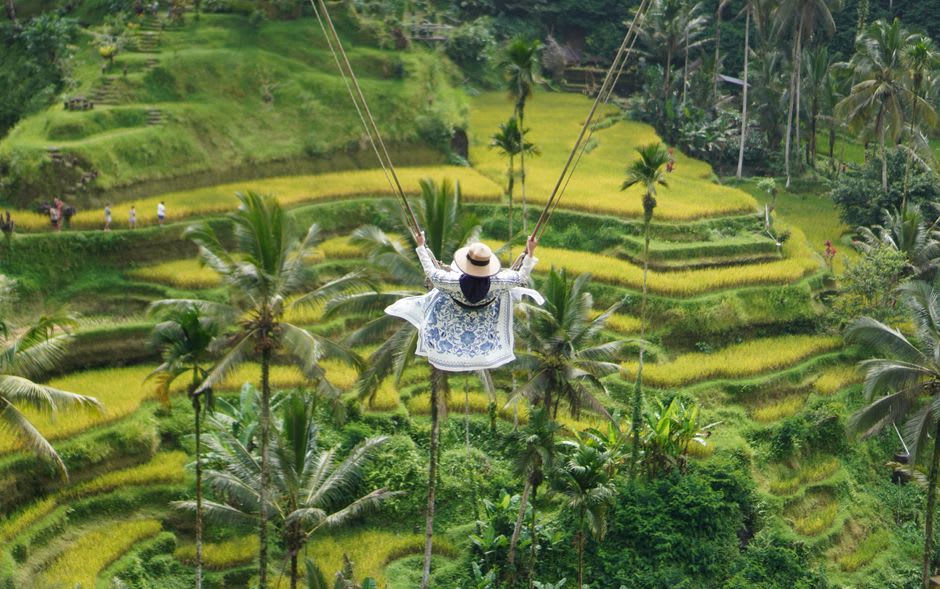
By the time we climbed back up, around 8:30, the first tour vans were pulling in and the swings and photo platforms were filling with people angling for the same shot we’d had entirely to ourselves an hour earlier. I didn’t feel smug about it exactly, but I was glad we’d made the effort. Tegalalang is one of the most photographed places in Bali for a reason, and it deserves that reputation — I just think it deserves to be seen quiet, before the crowds turn it into a backdrop instead of a living farm.
When to go: Go early, ideally before 9am — the light is softer, the air is still cool, and for maybe an hour the terraces feel like a farm again rather than a photo op, especially if you’re visiting outside the June-August rush.
Keep exploring
More from Bali
 bali
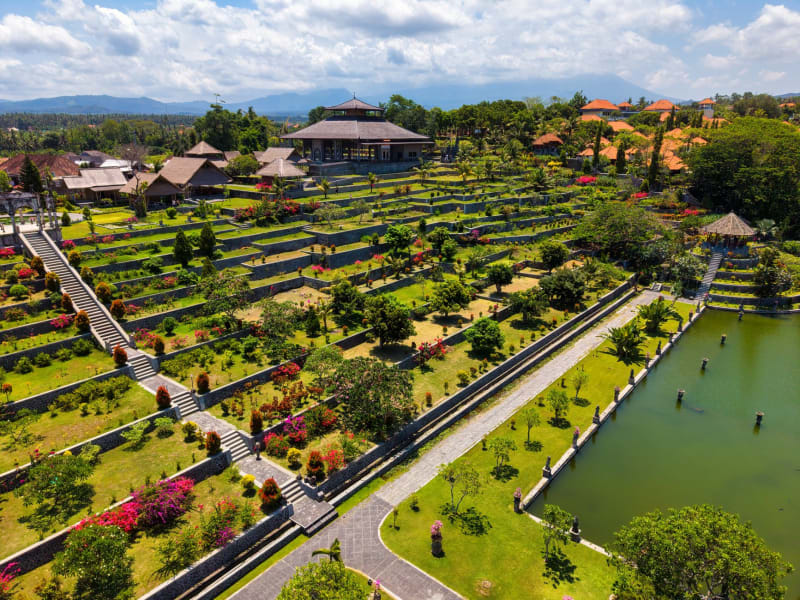
bali Tirta Gangga
A royal water palace and rice terrace landscape in east Bali that feels like the island distilled into a single, unhurried afternoon.
Explore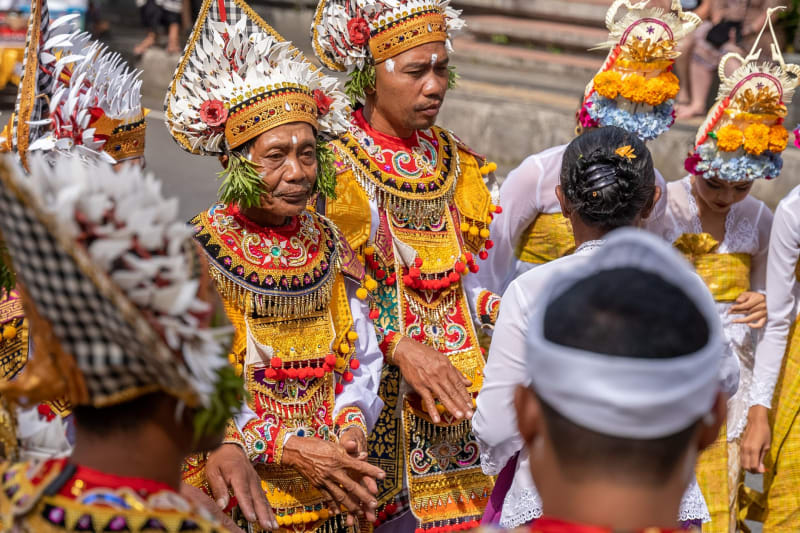 bali
bali Ubud
Bali's cultural core, where rice paddies press in from every direction and ceremonies happen on a calendar you will never fully decode.
Explore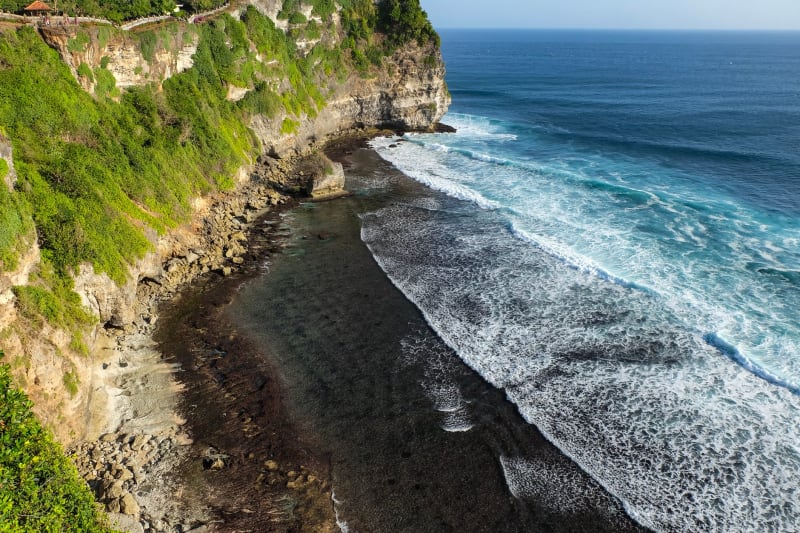 bali
bali Uluwatu
A clifftop temple at the southern tip of Bali where the Indian Ocean appears below you all at once and the surf breaks are the best on the island.
Explore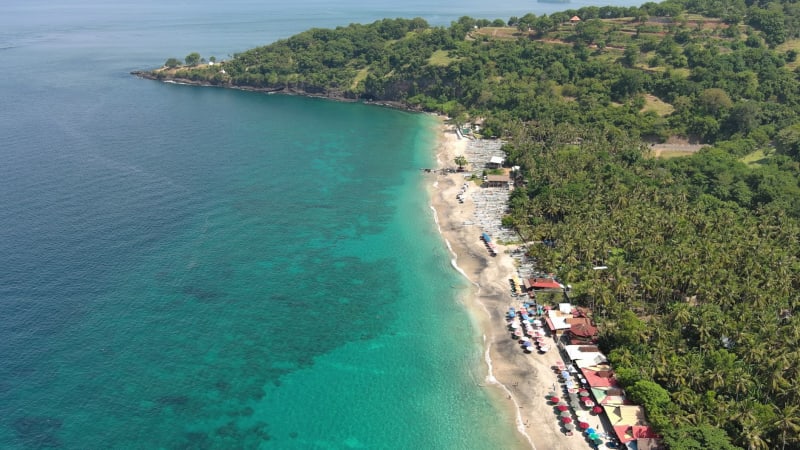 bali
bali Amed
A string of fishing villages on Bali's northeast coast where the sea is impossibly clear, the sand is black, and the WWII shipwreck is just offshore.
Explore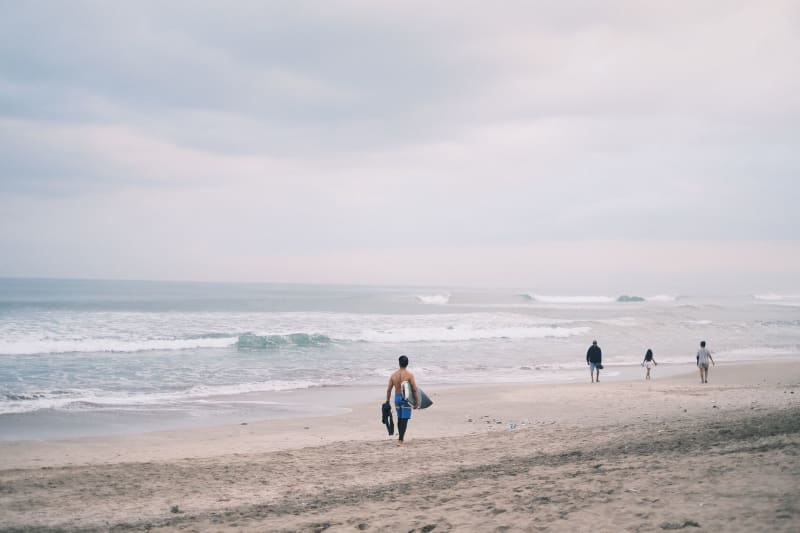 bali
bali Canggu
A surf village that became a digital nomad hub before anyone agreed that was what was happening — rice paddies and laptop cafés in the same eyeline.
Explore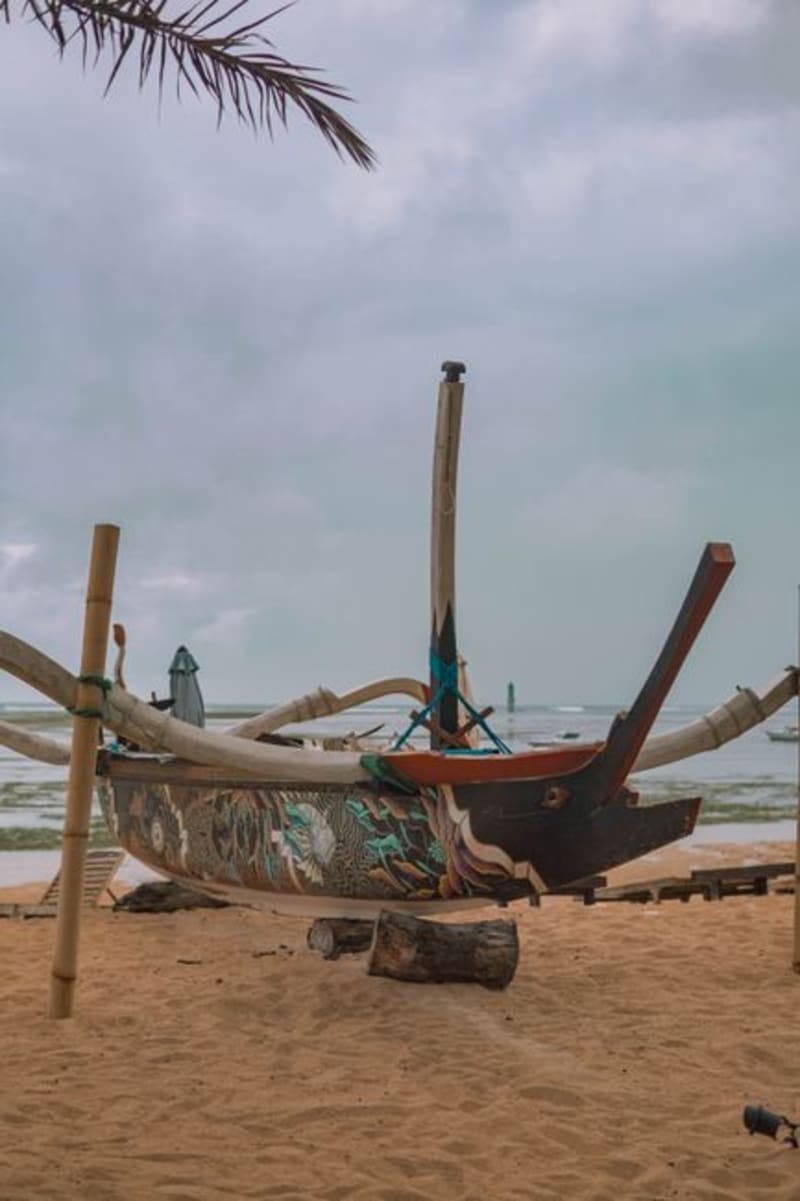 bali
bali Lovina
A string of black-sand fishing villages on Bali's quiet north coast, where outrigger boats slip out at dawn to find wild dolphins.
Explore