Lovina
"Lovina is the Bali that wakes up before you do — a black-sand coast where the only appointment is with the dolphins."
A string of black-sand fishing villages on Bali's quiet north coast, where outrigger boats slip out at dawn to find wild dolphins.
We got up at five in the morning for Lovina, which is not a thing Lia and I do lightly, but the guesthouse owner had been so matter-of-fact about it — “boat leaves when the sky starts turning, not a minute later” — that arguing felt pointless. Lovina sits on Bali’s north shore in Buleleng regency, a run of low-key coastal villages about ten kilometers west of Singaraja, the old Dutch colonial capital, and I liked it immediately for the way it refused to perform. No beach clubs, no infinity pools angled for photos. Just a long black-sand shoreline, a scatter of warungs, and fishermen already at work before we’d finished our coffee. Someone told us the name comes from the old king Anak Agung Panji Tisna, who apparently mashed together “love” and “Indonesia” to get Lovina — a very deliberate piece of branding for a place that otherwise feels almost accidental.
The boat was a jukung, one of those narrow wooden outriggers with the bamboo stabilizers, and our boatman Made steered it out past the reef with the confidence of someone who has done this every morning of his adult life. The water here is unusually calm, sheltered by the reef, which is exactly why the dolphins gather offshore in the first place. We waited maybe twenty minutes, engine cut, drifting, and then Lia grabbed my arm and pointed — a pod of spinner dolphins breaking the surface in a loose, unhurried rhythm, five or six boats now converging quietly around them like everyone had agreed on the etiquette in advance. I’d seen dolphins from a distance before, on a ferry once off the coast of France, but never like this — close enough to hear them breathe.
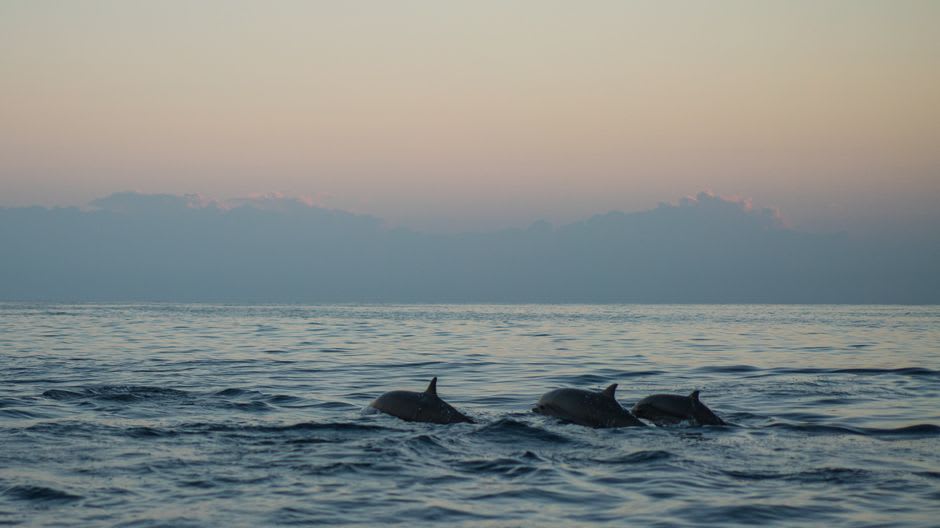
Back on shore, Made walked with us down the beach and scooped up a handful of the sand to show me — dense, dark, almost metallic under the fingernail. Volcanic, he said, washed down over centuries from the mountains to the south, which is what gives Lovina’s coast its particular moodiness compared to the white sand everyone photographs down in the south of the island. I found I preferred it. There’s something about black sand at golden hour, the way it seems to absorb the light rather than throw it back at you, that made the whole beach feel quieter and more serious than the postcard version of Bali.

We spent our second day up in the hills, chasing waterfalls the way everyone in Lovina eventually does — Gitgit first, an easy walk from the road, then the longer, sweatier trek out to Sekumpul, which a French couple at our guesthouse had insisted was worth every mosquito bite. They were right. Standing under that spray after two hours on jungle steps, soaked anyway, Lia turned to me and said this was the first time all trip she’d actually forgotten to check her phone. That, more than the dolphins, might be what I remember longest about Lovina.
When to go: April to October, during the dry season, is the easiest window for clear skies and calmer seas, though the dolphin boats head out at sunrise all year round regardless of the calendar.
Keep exploring
More from Bali
 bali
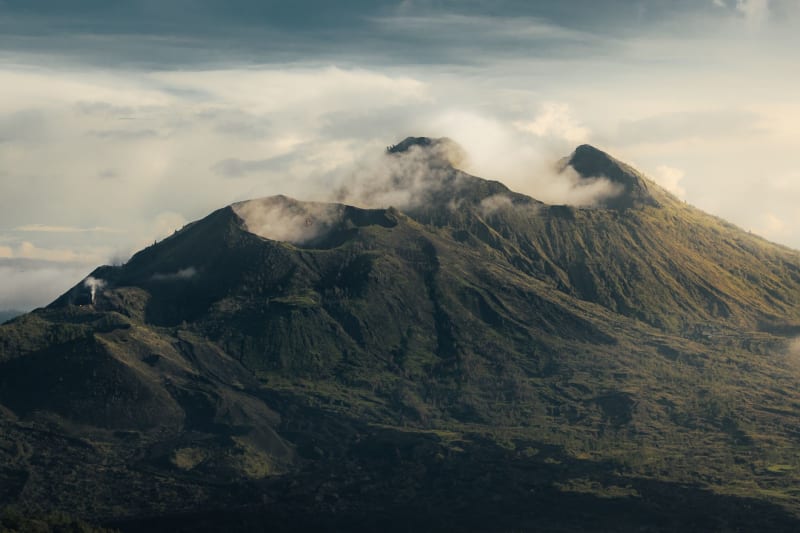
bali Mount Batur
An active volcano rising from a vast ancient caldera in Bali's highlands — the sunrise trek is genuinely hard and genuinely worth it.
Explore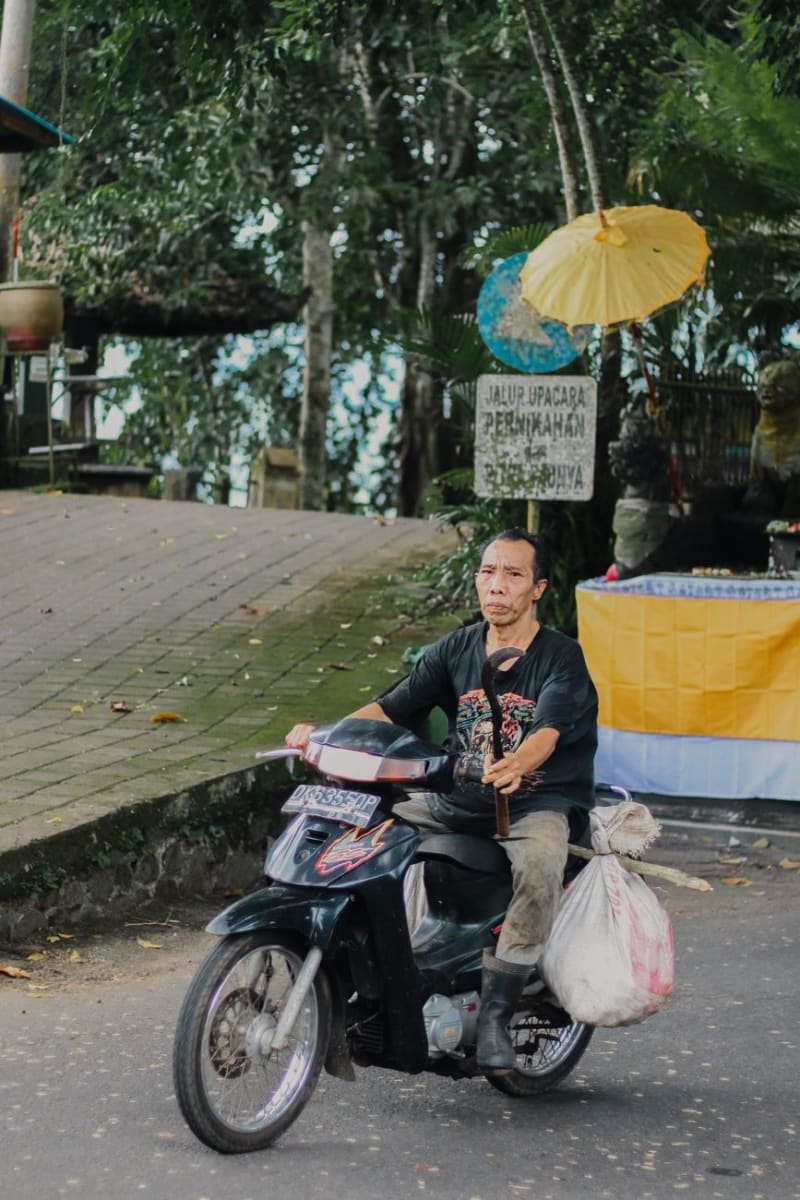 bali
bali Munduk
A cool clove-scented mountain village in Bali's north, where Dutch colonial bungalows look out over coffee terraces, twin crater lakes and a string of jungle waterfalls.
Explore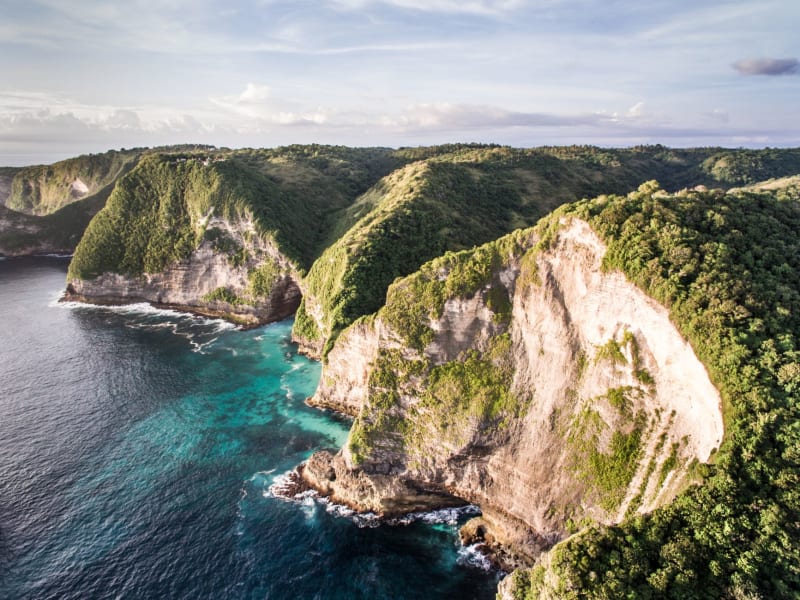 bali
bali Nusa Penida
The wild island southeast of Bali with cliffs that drop straight into turquoise nothing and roads that remind you this place was not built for tourists.
Explore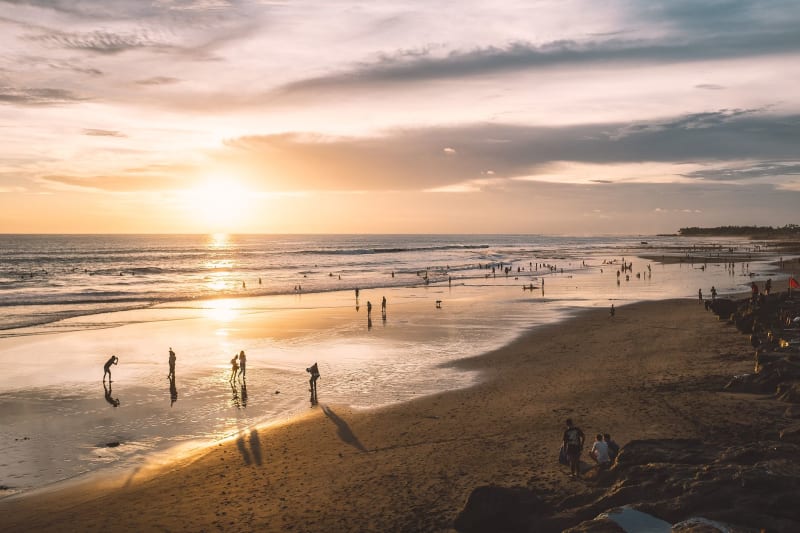 bali
bali Seminyak
Bali's most polished beach strip, where the sunsets are genuinely spectacular and the restaurants have decided not to apologise for being good.
Explore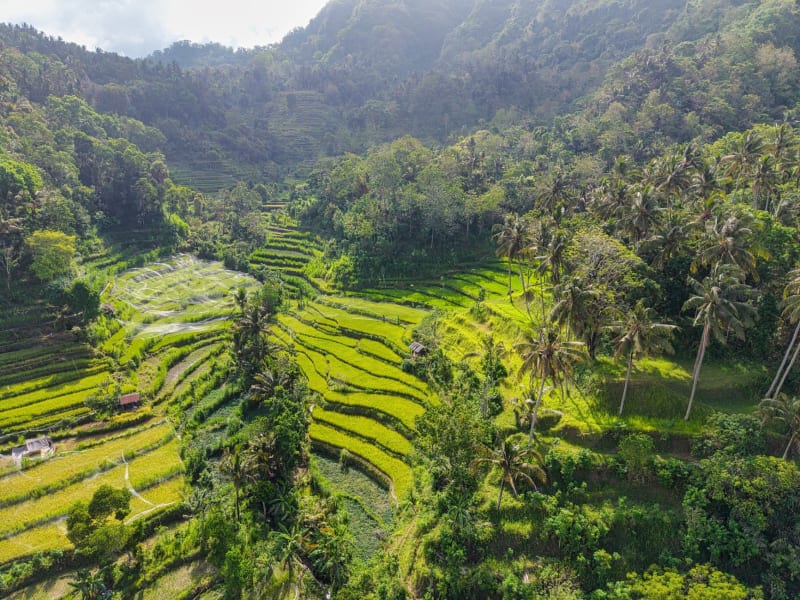 bali
bali Sidemen
A hidden valley in east Bali that most visitors drive past — rice terraces worked by hand, a weaving tradition older than the tourism industry, and Agung when the clouds allow.
Explore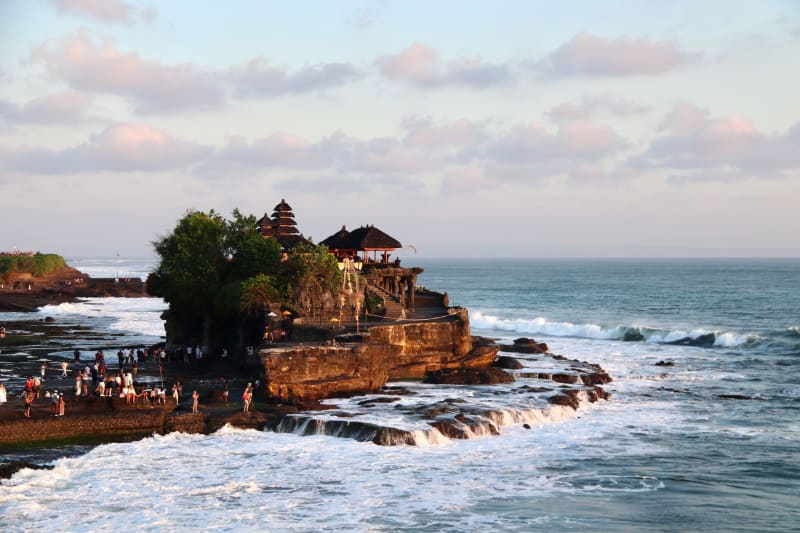 bali
bali Tanah Lot
The sea temple on a black rock at the edge of the Indian Ocean — arrived at the wrong time by every tourist and the right time by the priests.
Explore