
Sant Joan de Labritja
"The Ibiza the island has been trying to keep secret, without much success."
Renting a car on Ibiza is unavoidable if you want to get to the north, and the north is the reason to come in October. I drove up on the first morning from Santa Eulalia, following roads that started as tarmac and progressively became suggestions — the red-earth tracks through pine and carob forest that open suddenly onto views of the sea. The northern end of the island is different in atmosphere from the Ibiza of the club district and the southern beaches. Quieter, more agricultural, smelling of rosemary and pine resin and occasionally the sea, always the sea, visible in flashes between the hills.
The village of Sant Joan de Labritja is a classic Ibizenco pueblo: a whitewashed church at the center, a bar with plastic chairs outside, a couple of houses, and the particular silence of a place whose population has never required noise to fill it. The church, like most of the island’s old churches, was fortified in the sixteenth century against Barbary pirate raids — the thick walls and small windows that give Ibizenco churches their bunker quality were not decorative choices. The square in front of it, empty of tourists in October, smells of the herbs planted around the base of the church walls.
The market at Las Dalias — a few kilometers south of Sant Joan on the road toward Santa Eulalia — has been running on Saturday mornings since 1985, when the hippy community that arrived in the 1960s and 1970s had become permanent enough to need one. It is not what it was, which is true of every market that achieves a degree of fame, but it retains an authenticity that more commercialized versions lose: the jewelry is mostly handmade, the leather goods come from small workshops, the food stalls sell the preserved figs and almond-based sweets of the island interior alongside the expected hummus and flatbreads of a market with a certain countercultural heritage. I arrived at nine in the morning when it was just setting up and bought a jar of fig jam and a cloth bag and spent too long at a stall selling second-hand books in four languages.
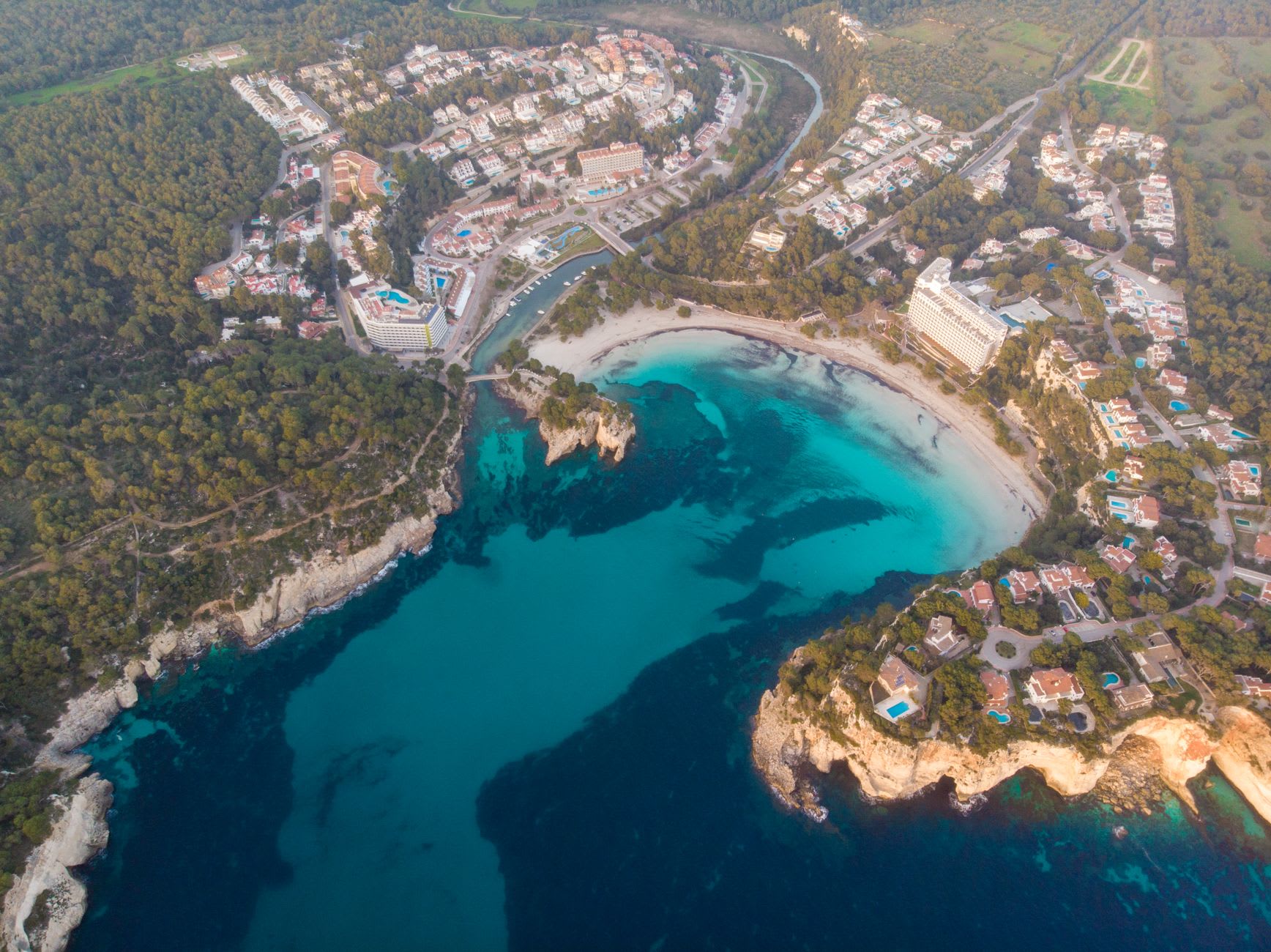
The coastline of the northern municipality is different from the southern resort beaches — the coves here, like Cala d’en Serra and Cala Xarraca, are small, rocky, accessible only on foot or after a significant drive on unpaved tracks, and usually occupied by people who have come specifically rather than stumbled upon them. Cala Xarraca in early October had perhaps fifteen people in it, the limestone cliffs filtering the light into the water with the focused efficiency of a natural lens. I swam for an hour and ate the orange I’d had in my bag all morning and did nothing else and found this entirely sufficient.
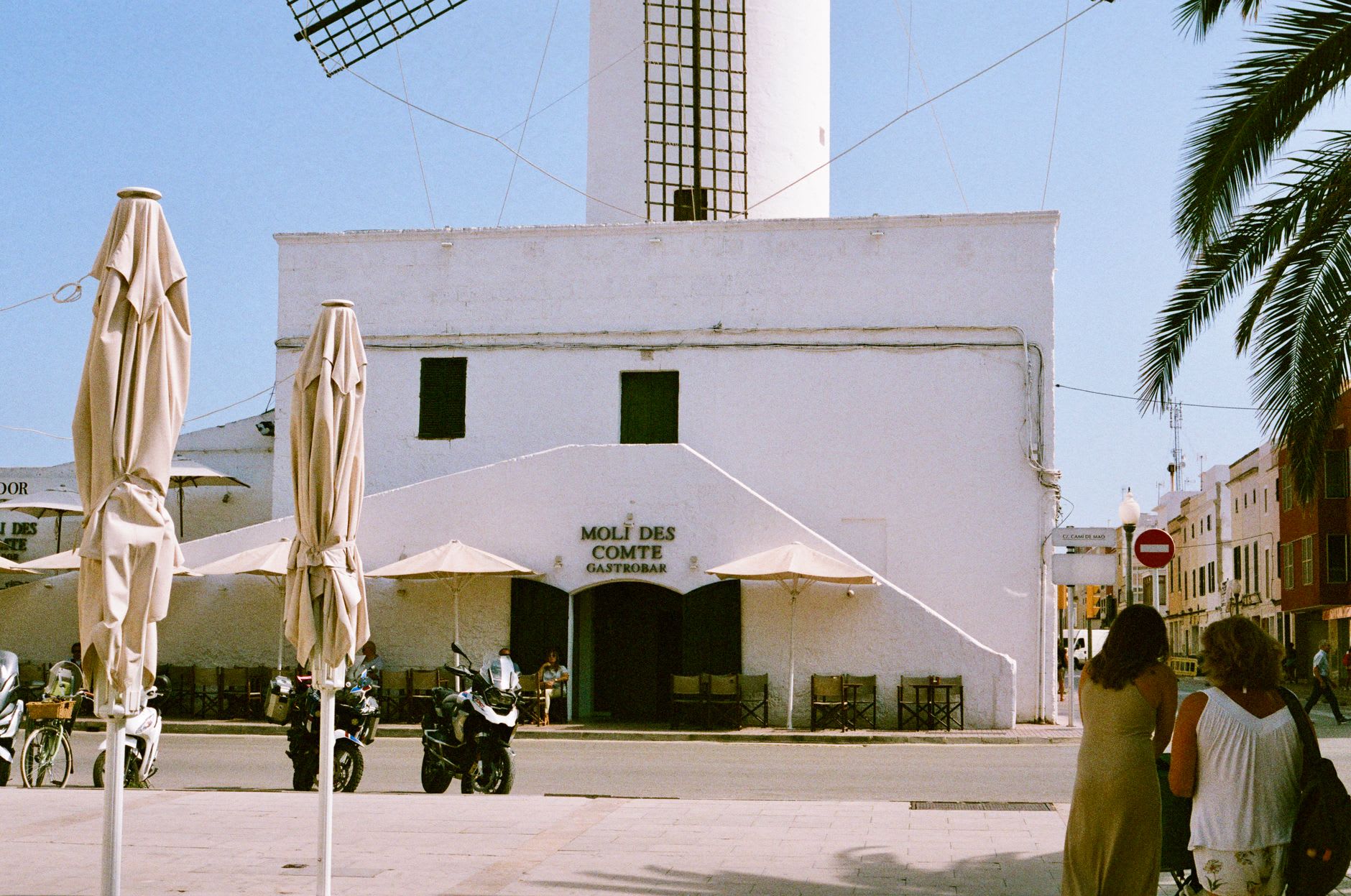
The bar in Sant Joan — there is only the one — serves café amb llet and almond cake and the local herbal liqueur hierbas ibicencas in shot glasses for an amount of money that feels like a rounding error. The owner, who may or may not have been there since the 1970s, acknowledged my existence once when I arrived and once when I left and seemed to regard everything in between as fundamentally my business. This felt correct.
When to go: September through November and April through June. In July and August the Las Dalias market becomes extremely crowded and the northern coves are no longer the secret they barely are anyway. October is ideal: the tracks are driveable after summer, the sea is still warm, and the market runs at a pace that allows you to actually look at things.