Europe
Balearic Islands
"The Balearics everyone pictures exist. So does the one worth finding."
I arrived in Mallorca in late September, when the charter flights had thinned out and the restaurants no longer needed to be persuaded to seat you. The drive from Palma to the Tramuntana mountains took forty minutes and erased every preconception I’d carried. These are serious mountains — limestone ridges dropping straight into the sea, terraced groves of ancient olive trees, villages of honey-colored stone where the only sound at noon is a dog barking somewhere two hills over. The coast road between Sóller and Deià is one of those drives that makes you slow down involuntarily, not because of the curves but because pulling over every kilometer to stare at the view feels like the only reasonable response.
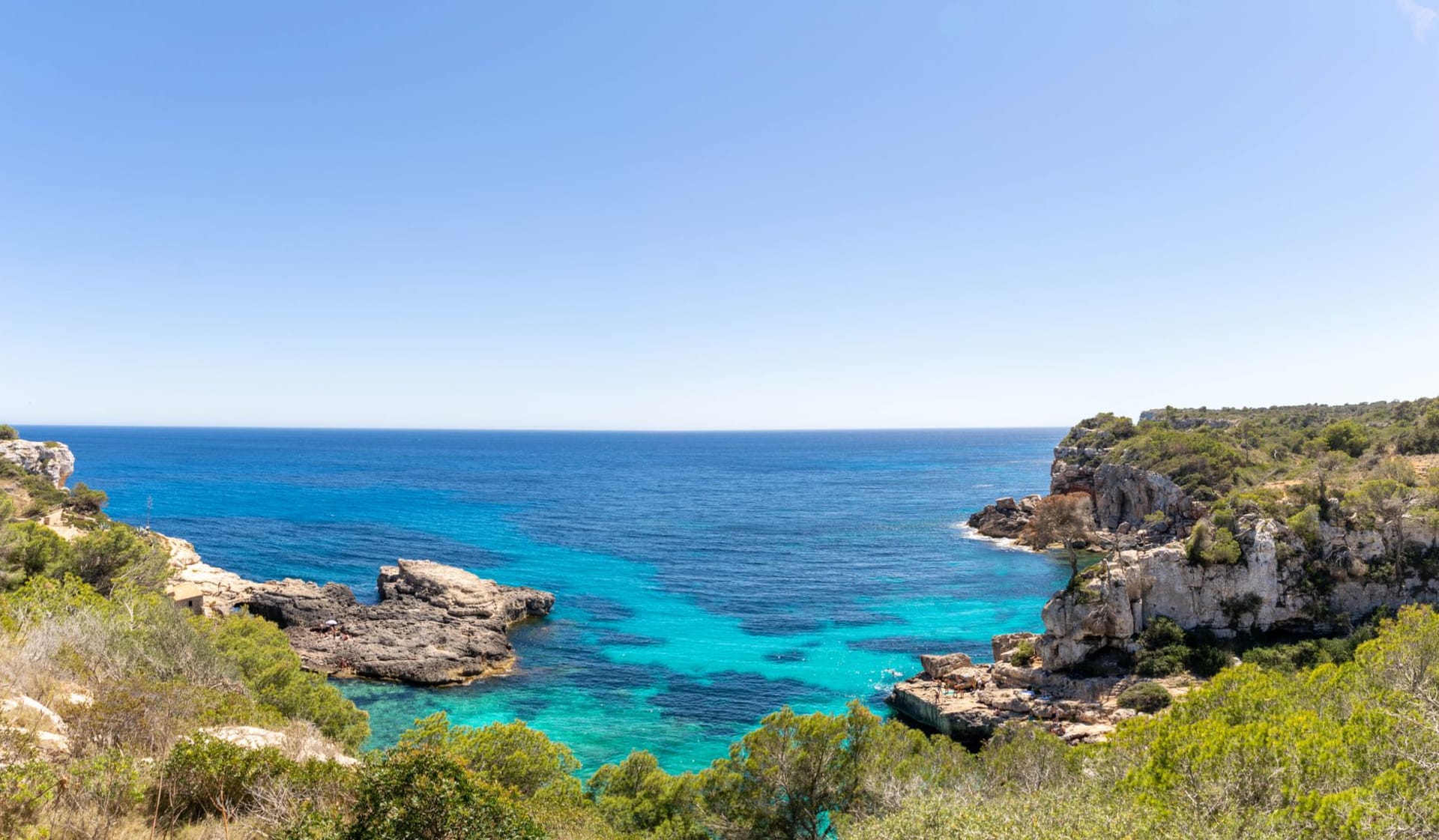
The archipelago’s genius is its refusal to be consistent. Ibiza, forty minutes away by fast ferry, operates on an entirely different frequency — and I don’t mean the clubs, which have always been only one layer of the island. The interior is pine forest and red-earth tracks, small family restaurants serving grilled fish and alioli to the same tables they’ve served for thirty years. Sant Antoni’s cliffs drop into water so turquoise it looks processed. On Menorca, everything slows further: the island is a UNESCO Biosphere Reserve, and you feel it — prehistoric talaiots standing in fields, caletas accessible only on foot or by kayak, a capital city in Maó where the gin distilleries have been running since the British arrived in the eighteenth century. Formentera I saved for last, a short ferry from Ibiza, and it rewards the sequencing — after the comparative buzz of the other islands, its flat pine landscape and shallow salt-water lagoon feel like the silence you didn’t know you were looking for.
The food ties it together more than the landscape does. Ensaimada in the morning at a Palma bakery, still warm and dusted with sugar — not the airport version, the real one. Sobrassada spread thick on bread in a bar in Ciutadella. Caldereta de llagosta, the Menorcan lobster stew that takes an entire afternoon and costs accordingly. The Balearics sit close enough to mainland Spain to share its instincts but far enough out in the Mediterranean to have developed their own quiet stubbornness about how things should be done.
When to go: May through June and September through October. The islands in July and August are genuinely beautiful and genuinely crowded — the popular beaches on Ibiza and southern Mallorca operate at capacity, and Formentera can feel overwhelmed. September is the sweet spot: the sea is at peak temperature, the light turns golden earlier in the day, and the restaurants are still open but no longer booked solid three weeks out.
What most guides get wrong: They treat the Balearics as a summer beach destination and leave it at that. The Tramuntana mountains in Mallorca alone justify a week. Menorca’s prehistoric landscape — more Bronze Age monuments per square kilometer than almost anywhere in Europe — is overlooked in favor of beach rankings. And Ibiza in October, when the clubs have closed and the island returns to the farmers and fishermen who actually live there, is a completely different proposition from Ibiza in August. Come off-season, go inland, and take the slow ferry instead of the fast one.