
Palma de Mallorca
"The cathedral at dawn belongs to nobody in particular — and that is when it is most itself."
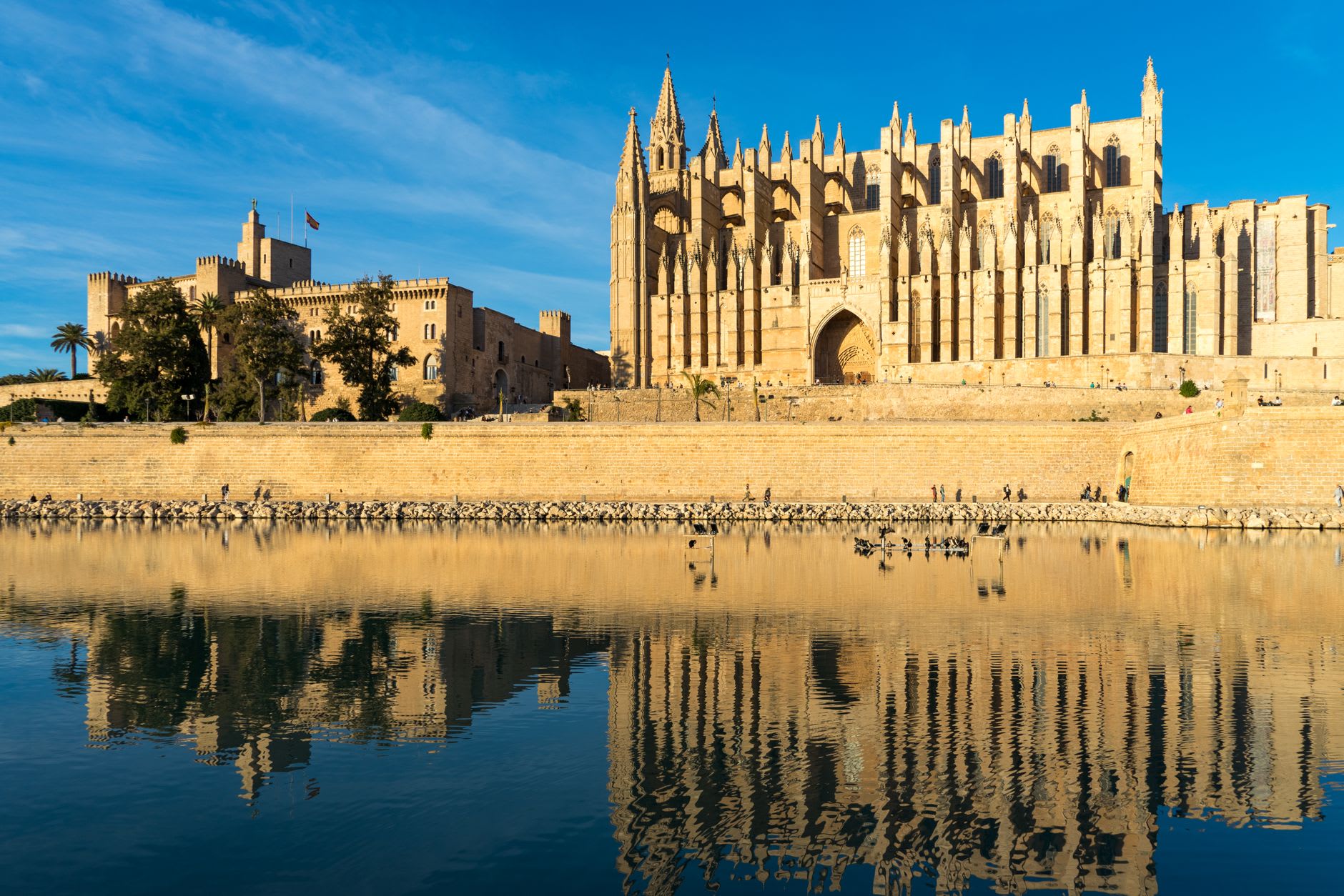
The cathedral at dawn belongs to nobody in particular. I arrived on the first fast ferry from Barcelona in late September, walked off the ramp into a city still assembling itself for the day, and found myself standing in front of La Seu before any of the tour groups had materialized. The limestone facade changes color as the light comes up — first gray, then warm ochre, then almost gold — and the scale registers slowly, the way something genuinely enormous tends to. You don’t take it in all at once. You just stand there while it takes you in.
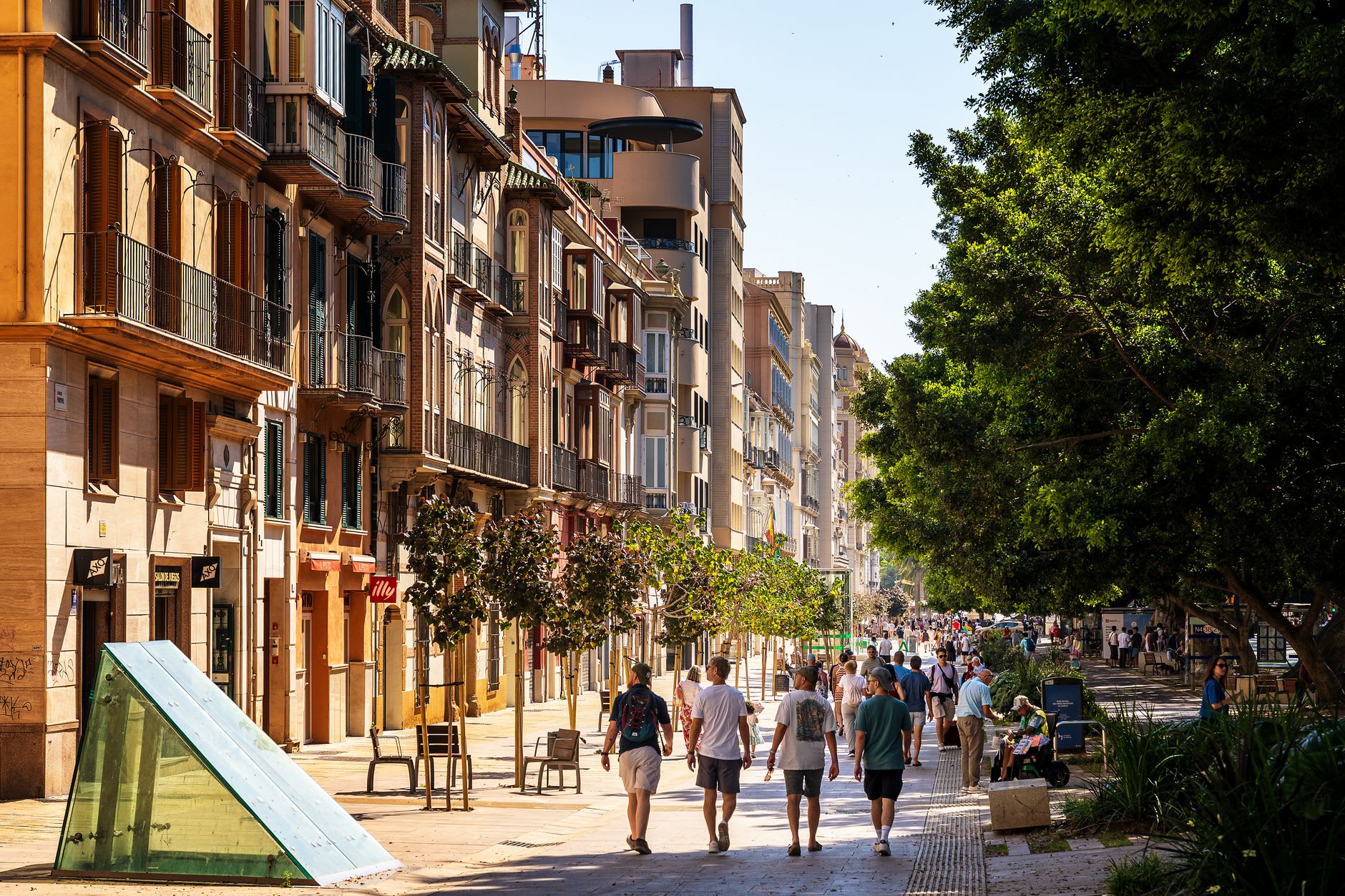
Palma is the only real city in the Balearics, and it wears this distinction with a confidence that never tips into arrogance. The old quarter — particularly the streets around Sa Gerreria and El Born — is built for walking at the pace of someone who has nowhere pressing to be. Palaces with inner courtyards, their gardens half-visible through half-open doorways, the smell of wisteria in spring mixing with stone dust and last night’s kitchen smoke. The Arabesque windows in the Jewish quarter speak to five or six layers of occupation, each one leaving something behind. I spent a morning just photographing doorways and came away with forty pictures and not one that felt redundant.
The food here is precise and unapologetic. Mercat de l’Olivar opens early and operates with the organized chaos of a place that knows exactly what it is doing. Stalls of sobrassada — the soft paprika-cured sausage that tastes like Mallorca in concentrated form — sit next to olive oil vendors with single-estate bottles, and the fish sellers can tell you the name of the cove where last night’s catch came from. I ate breakfast at a stall inside: pa amb oli, the elemental Mallorcan toast rubbed with ripe tomato and soaked in olive oil, with a coffee stronger than my plans for the day. Then the ensaimada — you cannot leave Palma without the ensaimada, the spiral pastry dusted with powdered sugar that looks simple and is anything but. The best version I found was at a bakery that had been operating in the same location since before my parents were born.
The waterfront has been redesigned in the last decade and now makes sense in a way it didn’t before — the road that used to cut between the city and the sea has been rerouted, and you can walk from the cathedral to the Bellver castle promontory without stepping off the promenade. At night the harbor fills with the mast lights of boats at anchor, and the terraces of Portixol — the fishing neighborhood a kilometer east of the center, deliberately not-quite-touristy — serve grilled fish and cold local wine to tables of people who have figured out something the pamphlets don’t mention: that Palma is worth treating as a destination in itself, not just an embarkation point for the rest of the island.
When to go: Late September through November for empty streets and a city inhabited by people who actually live there. May and early June for warmth without crowds. Winter is surprisingly functional — Palma has a genuine cultural life and the markets and restaurants stay open for a city that doesn’t disappear between seasons.