
Americas
Bahia
"Bahia is the Brazil that Brazil itself looks to when it wants to remember who it is."
Brazil's Afro-Caribbean soul — where candomblé drums echo off colonial churches, dendê oil perfumes every corner, and the Atlantic meets a coastline that refuses to be ordinary.

I stepped off the bus in the Pelourinho at seven in the morning and walked straight into a candomblé procession. Women in white lace and turbans, flowers in their hands, drums moving through the cobblestones like something subterranean. No one was performing for tourists. They were simply going somewhere. That was the moment I understood that Bahia operates on frequencies most of the country does not.
Salvador is the capital, and it is one of the most disorienting cities I have encountered in Latin America — disorienting in the best sense, the sense of having your internal compass quietly reset. The Cidade Alta, the upper city, is a mass of baroque churches built on the backs of enslaved Africans whose descendants are still here, still practicing their religion, still cooking their food, still playing their music in the praças at dusk. The Mercado Modelo at the base of the Lacerda elevator is where you buy your acarajé — the black-eyed pea fritter split open and stuffed with vatapá, caruru, dried shrimp, and chili — and eating one standing up in the salt air with the bay behind you is about as close to a defining meal as I have had anywhere. The dendê oil that goes into everything here is not a flavoring. It is a statement of origin.
Beyond Salvador, the coastline unfurls in ways that are genuinely hard to describe without sounding like a brochure. The Chapada Diamantina is the inland counterpoint — a highland plateau of waterfalls, cave systems, and hiking trails through cerrado scrubland, completely unlike the coast and completely within the same state. Morro de São Paulo and Boipeba are the islands people come for, and they deserve the reputation, but the Dendê Coast south of Salvador — Valença, the river crossings, the small fishing villages — rewards the traveler willing to piece together connections on local boats. Itacaré sits at the point where the Atlantic rainforest meets the sea, and the surfing there feels almost incidental to the landscape itself.
When to go: June through September is dry season in Salvador and the coast — manageable heat, no flooding on the dirt roads that connect the smaller villages. The Festa de Santa Bárbara in December and the Festival do Rio Vermelho in February are extraordinary if you want to see the city at its most itself, though both coincide with heat and crowds. The Chapada Diamantina is best from May to September, when the waterfalls are full but the trails are not submerged.
What most guides get wrong: They treat the Pelourinho as the destination and the rest of Salvador as the setting. The real city is in Bonfim, in Liberdade — the largest Afro-Brazilian neighborhood in the country — in the working restaurants on the Barra waterfront where the menu is handwritten daily and the moqueca comes in a clay pot the size of a small planet. The Pelourinho is a museum of itself. The rest of Bahia is alive.
Explore
Places in Bahia
 bahia-brazil
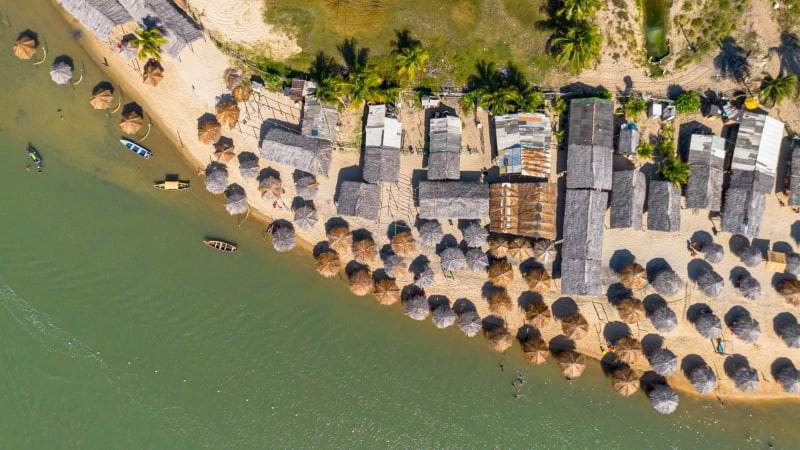
 Boipeba
Morro de São Paulo's quieter neighbor — an island of dirt paths, horse-drawn carts, and water so clear it seems impossible.
Explore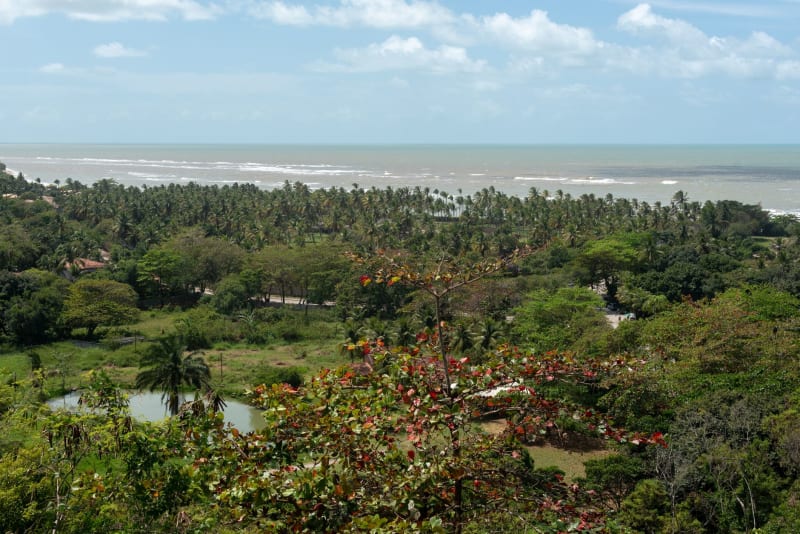 bahia-brazil
 Cachoeira
The Afro-Brazilian heartland on the Paraguaçu River — where colonial tobacco wealth meets living candomblé tradition and the Sisterhood of the Good Death.
Explore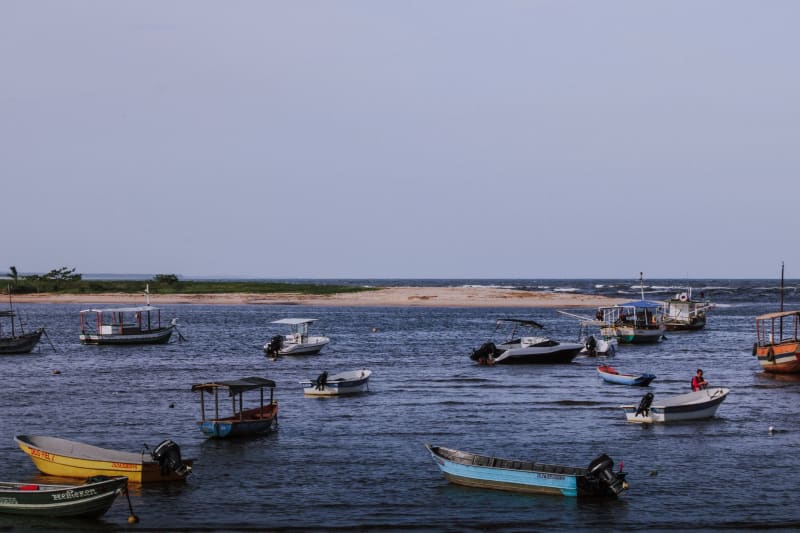 bahia-brazil
 Caraíva
A car-free fishing village in southern Bahia, separated from the road by a river you cross in a canoe, with sand streets and no streetlights to dim the stars.
Explore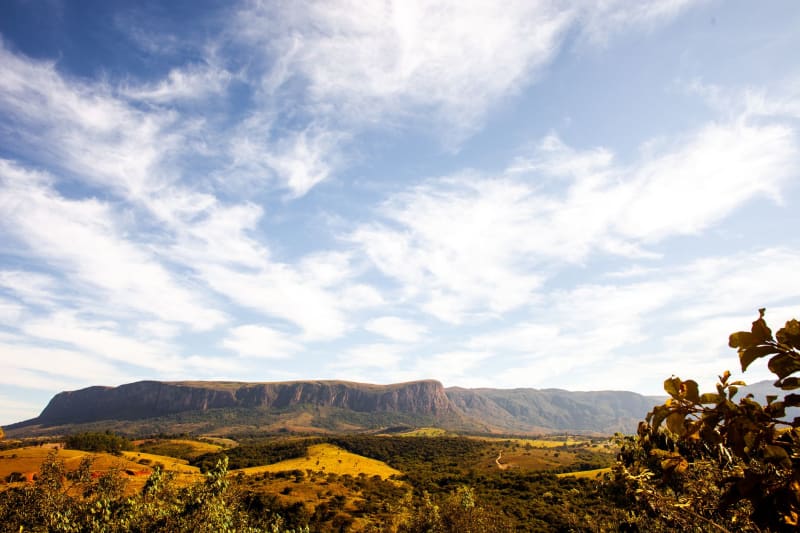 bahia-brazil
 Chapada Diamantina
An inland plateau of waterfalls, cerrado scrubland, and cave systems that feels like a different planet from the Bahian coast.
Explore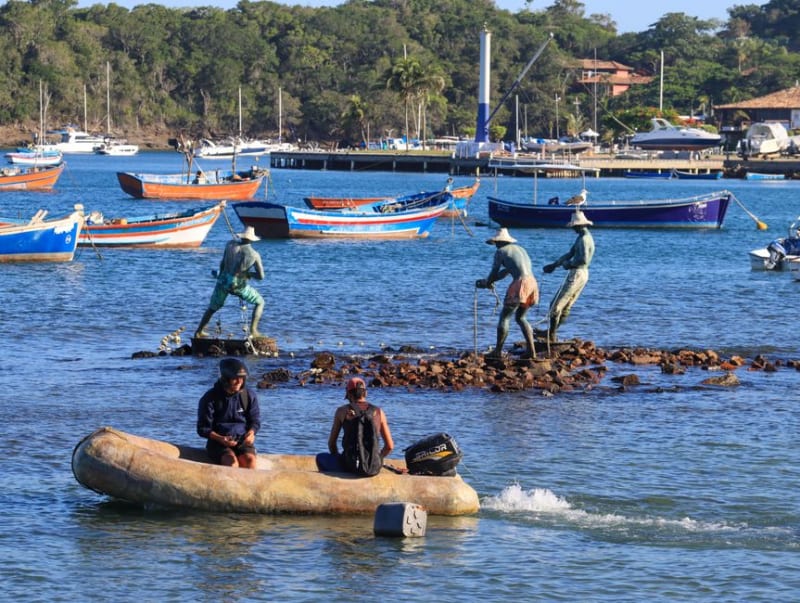 bahia-brazil
 Ilha de Itaparica
The largest island in the Bay of All Saints, where colonial forts, healing springs, and a slow ferry ride pull you out of Salvador's rhythm.
Explore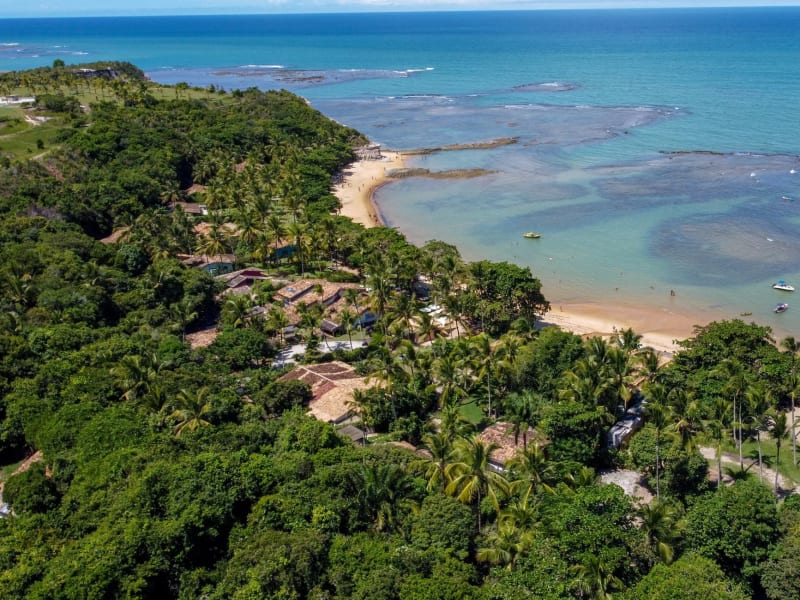 bahia-brazil
 Itacaré
Where Atlantic rainforest meets the sea and surf breaks directly below jungle-covered cliffs — a landscape that makes 'picturesque' feel inadequate.
Explore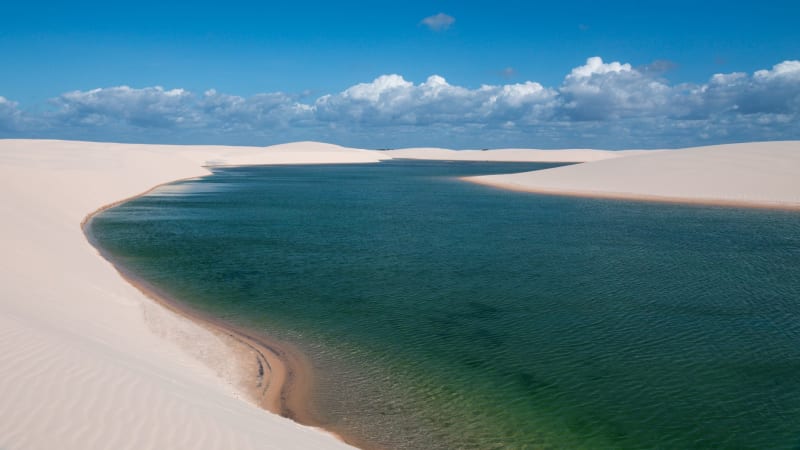 bahia-brazil
 Lençóis
A former diamond-rush colonial town that became the soul of Chapada Diamantina — small, impractical, and quietly wonderful.
Explore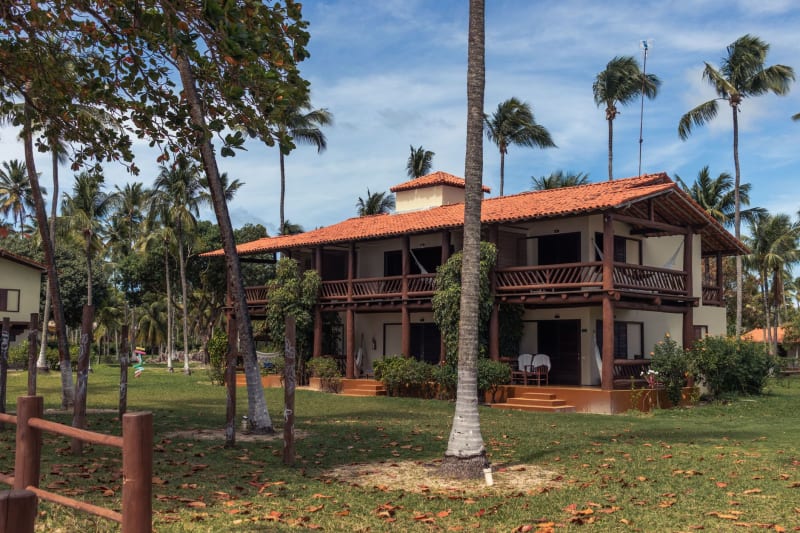 bahia-brazil
 Morro de São Paulo
A car-free island of colonial ruins and numbered beaches where the real question is which shade of turquoise you prefer.
Explore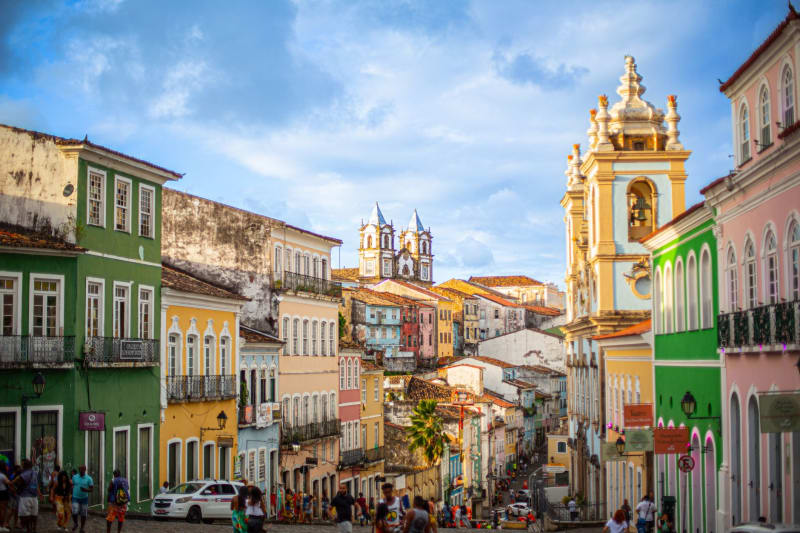 bahia-brazil
 Pelourinho
Salvador's baroque hilltop core, where the drums of candomblé echo off gold-leafed church facades at every hour of the day.
Explore bahia-brazil
 Porto Seguro
Where Pedro Álvares Cabral first set foot in 1500 — Brazil's origin story told through a hilltop colonial city and a party town below it.
Explore bahia-brazil
 Praia do Forte
A former fishing village on Bahia's Coconut Coast where turtles nest, a ruined castle watches the sea, and nobody's in a hurry.
Explore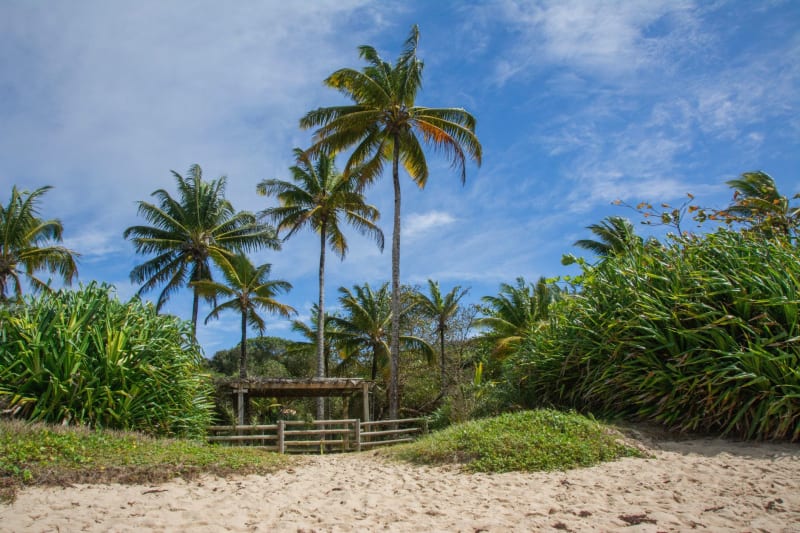 bahia-brazil
 Trancoso
A village where the colonial Quadrado square and the Atlantic meet through a perfect grove of coconut palms — bohemian luxury achieved without apparent effort.
Explore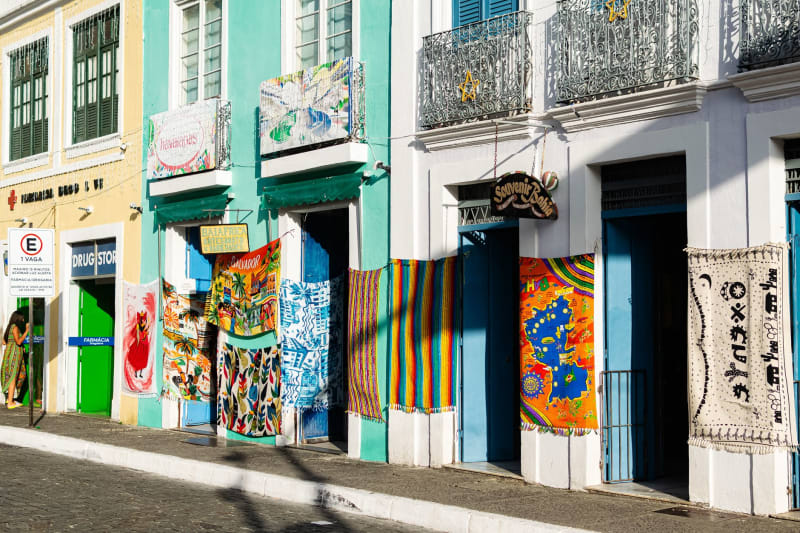 bahia-brazil
 Valença
A working river town on the Dendê Coast where boats are still built by hand and nobody has thought to make it particularly scenic.
Explore