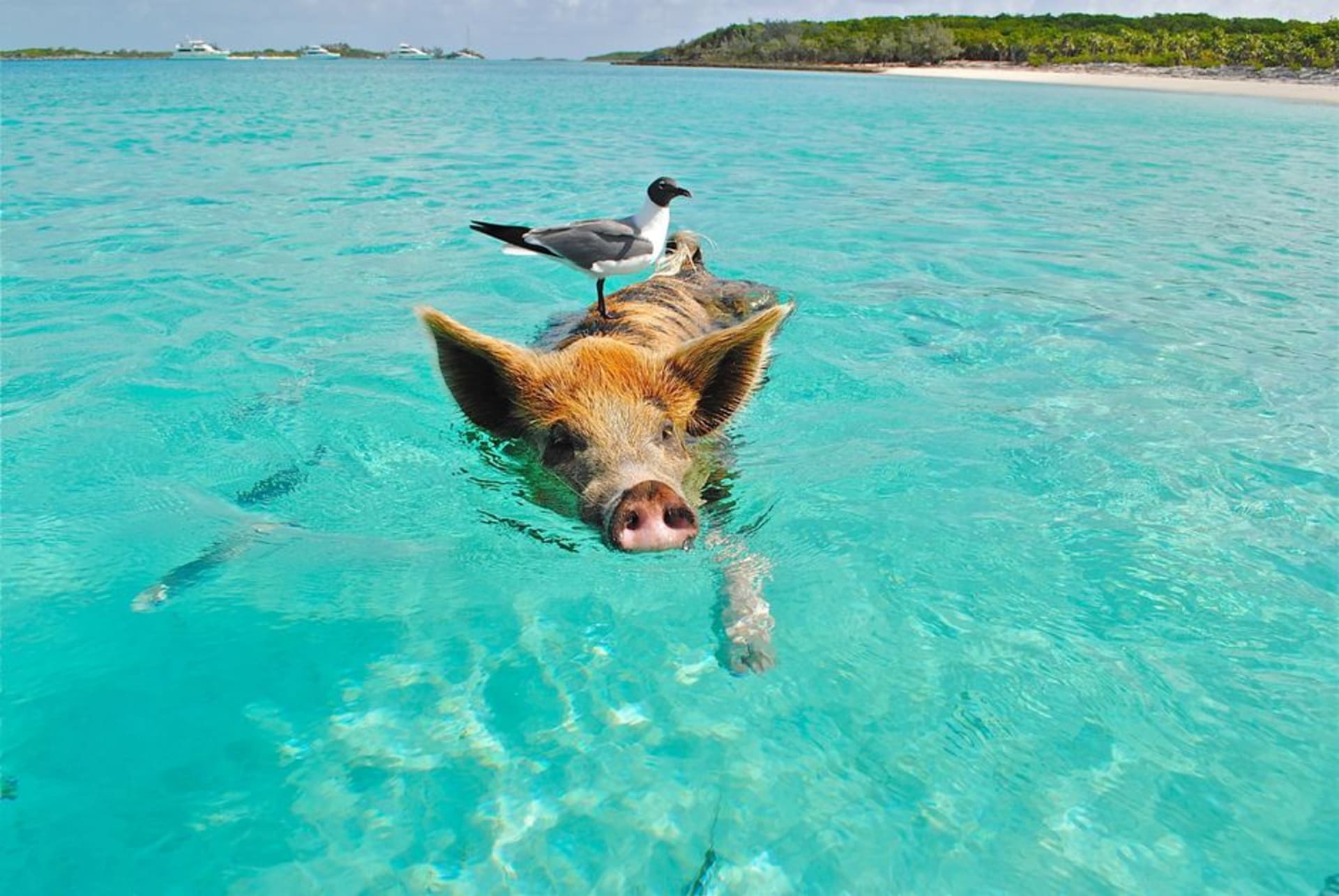
Rum Cay
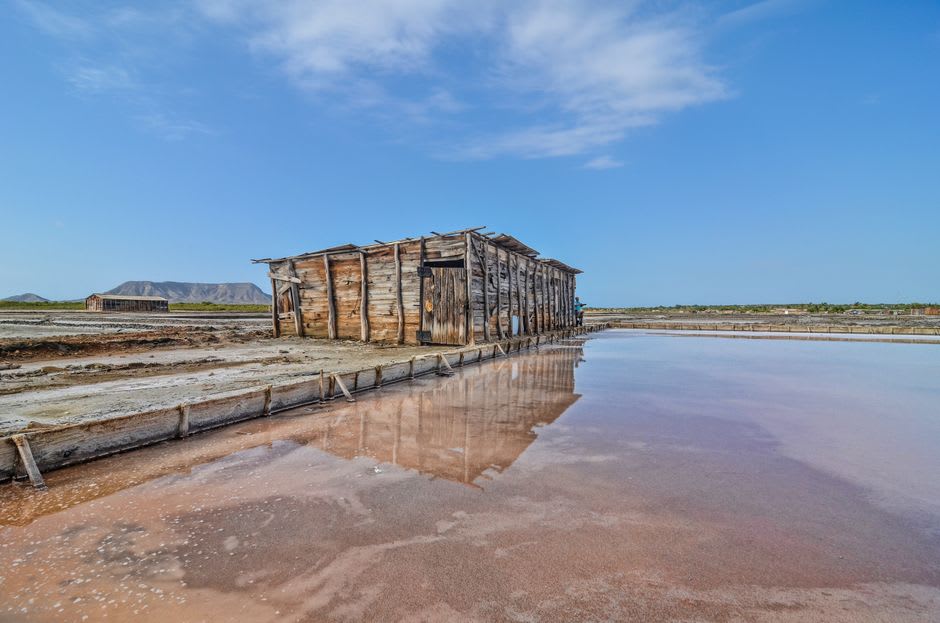
"A hundred people, one real road, and salt pans that once fed half the Bahamas' economy, now just rectangles of dry white ground."
An island of barely a hundred people, sunk salt pans, and a harbour that still remembers being one of the busiest ports in the Bahamas.
Rum Cay has fewer than a hundred permanent residents, and Port Nelson, its only settlement, is small enough that I met most of them within two days without particularly trying — a fact that would sound like an exaggeration anywhere else and is simply accurate here. It wasn’t always this quiet: in the nineteenth century, Rum Cay’s salt industry made it one of the more prosperous islands in the Bahamas, its salinas producing salt that was shipped out in real volume, and the ruins of that industry are still visible as flat, cracked rectangles of dried salt pan just inland from the harbour, bordered by low stone walls that once channelled seawater into evaporating ponds. Hurricanes have repeatedly reshaped both the economy and the population here — an 1899 storm devastated the salt works for good, and Hurricane Joaquin in 2015 did serious damage to Port Nelson itself, which the island is still, patiently, rebuilding from.
I came for the diving as much as anything, since Rum Cay sits at the edge of a deep-water channel and its reefs and wrecks are barely visited compared to almost anywhere else in the Bahamas. A local boat captain took me out to a wreck site where a nineteenth-century vessel has slowly become a reef in its own right, timbers and metal fittings colonized by coral and sponge, with a resident population of grouper who clearly consider the wreck their permanent address. The water around the island has an unbroken clarity that comes specifically from having almost no other boats stirring it up.
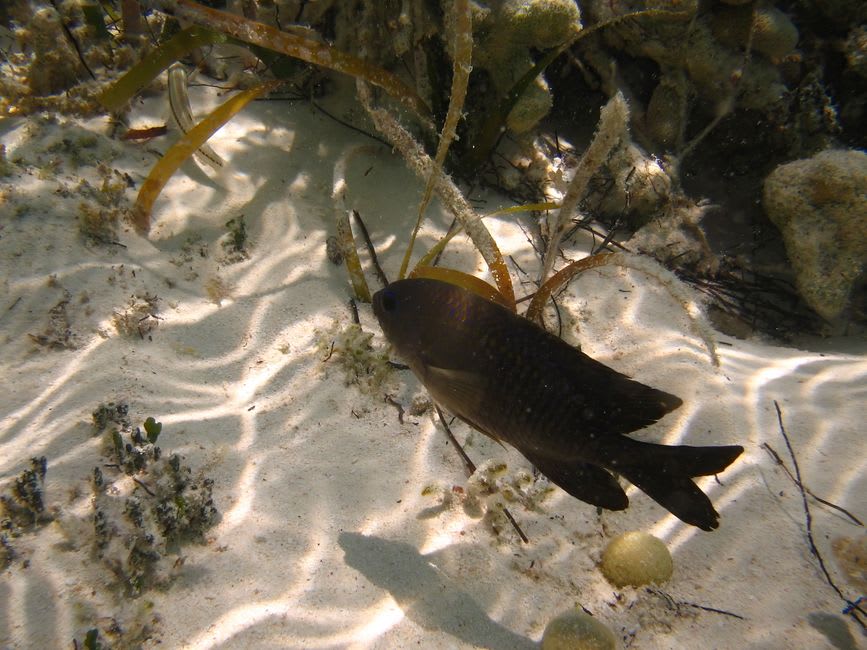
In the evenings, Port Nelson’s one bar — really someone’s porch with a cooler — is where whatever social life exists on the island happens, and I spent two nights there listening to a fisherman explain, with real patience, the difference between the reef fish I’d seen that day and the ones I hadn’t, correcting my identifications gently but firmly each time.
When to go: December through May for calm seas and good diving visibility. Rum Cay has very limited accommodation and flight schedules, so arrange transport and a place to stay well in advance.