Harbour Island
"The pink is real. I know it sounds like marketing. I stood in it and checked."
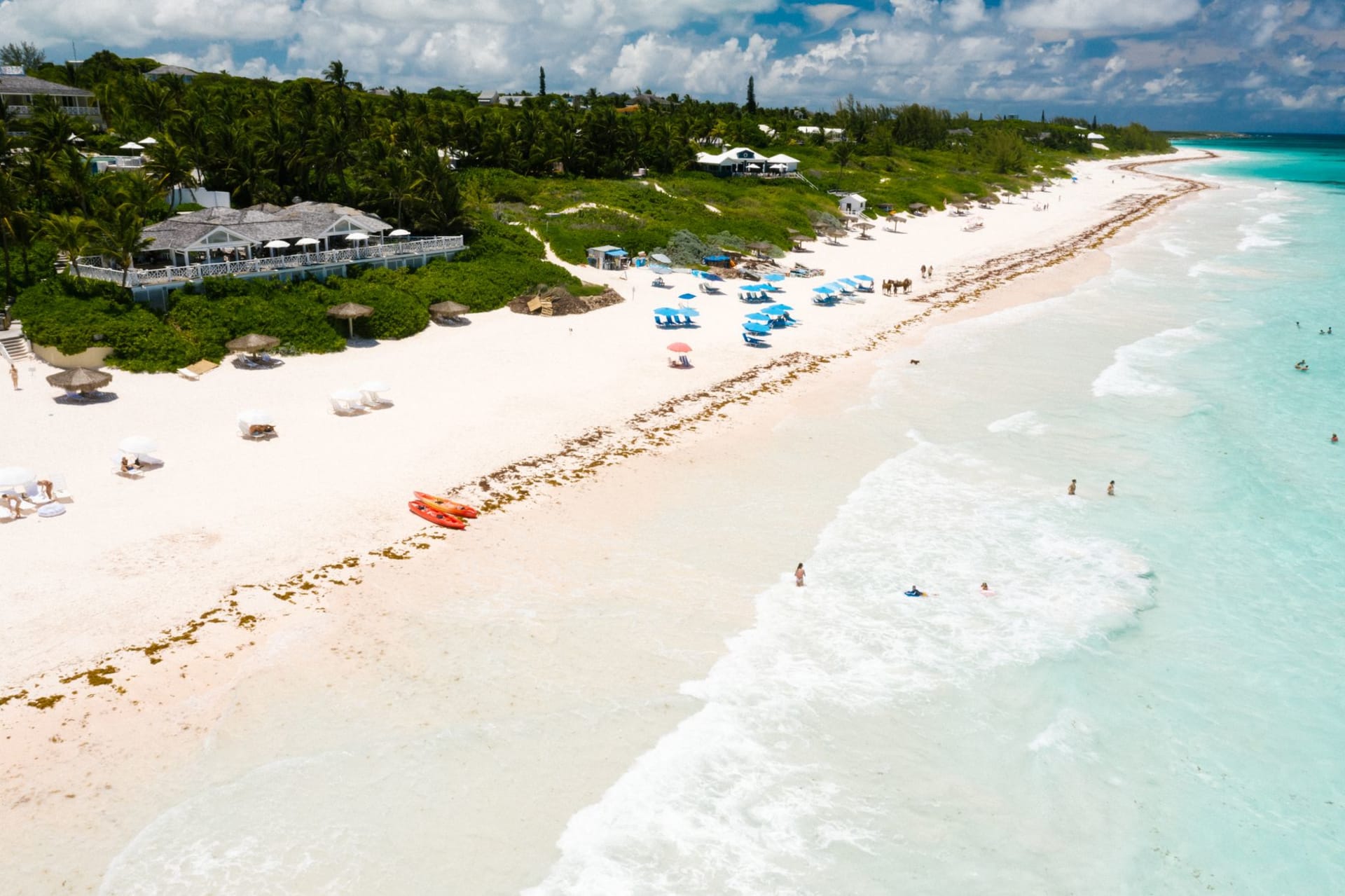
The water taxi from North Eleuthera takes eight minutes, and it is barely long enough to prepare yourself. I had seen photographs, had read the adjective “pink” applied to the beach so many times that it had lost all descriptive content, had arrived fully inoculated against wonder by the sheer volume of prior coverage. Then the taxi docked and I stepped onto the sand and the sand was pink — not coral-tinged, not salmon-adjacent, not the kind of pink that requires a certain light and a generous mood. Pink. A definite, unmistakable, mineral pink caused by foraminifera — tiny shelled organisms — whose crushed red shells mix into the white sand and shift the whole register of the beach toward something that exists in no other beach I have ever stood on. I took off my shoes immediately, which I almost never do, just to feel it.
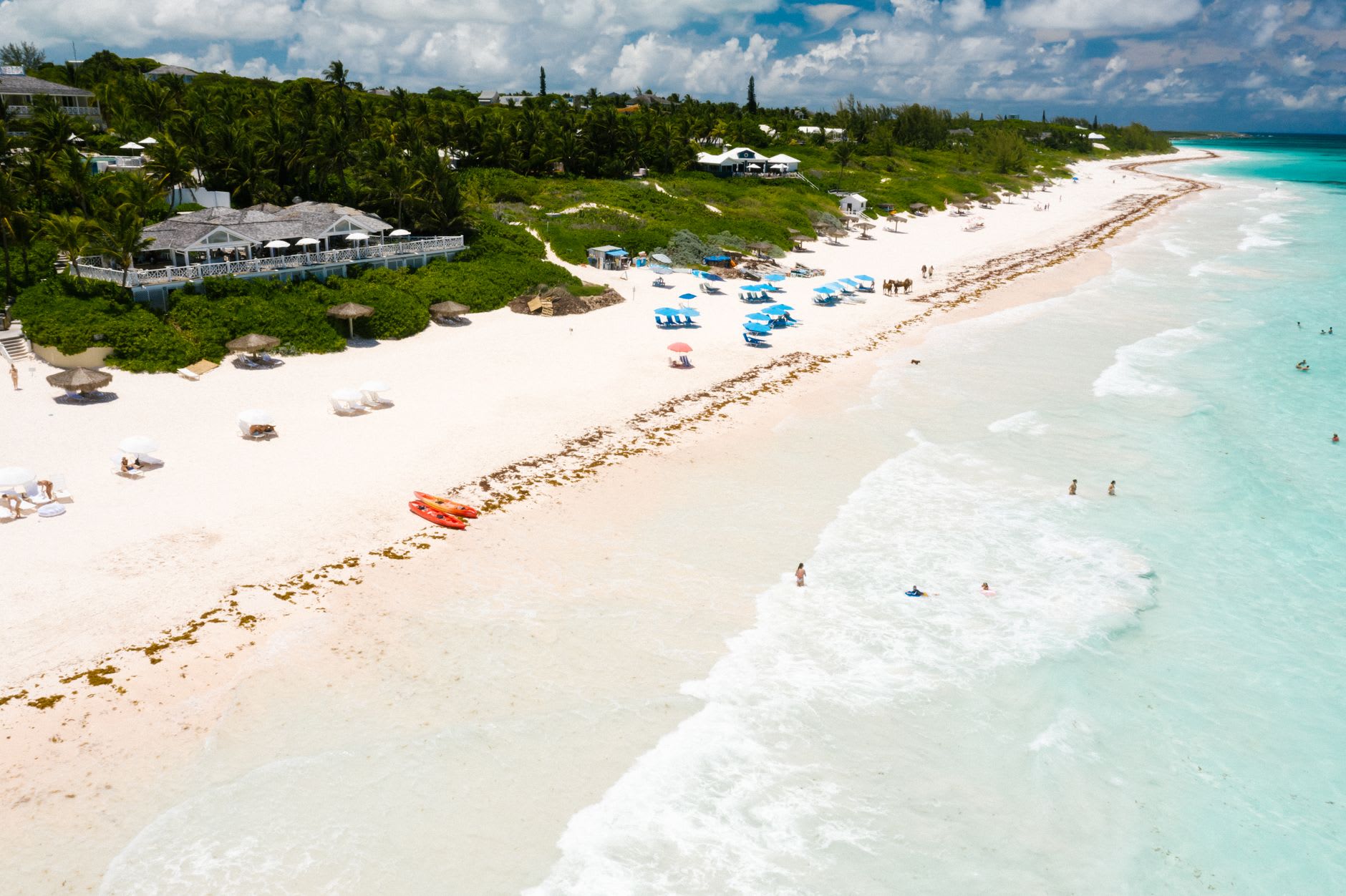
The beach runs for three miles along the island’s Atlantic side, and behind it the reef breaks the swell into manageable swells that make the water safe and turquoise and warm enough to stay in for hours. The snorkeling is directly offshore — two hundred yards at most — where elkhorn coral rises in formations that are still largely intact, teeming with parrotfish and sergeant majors. I rented a mask from the beach bar without asking what it cost, which is the kind of decision this island makes you comfortable with. The whole register of the place is unhurried in a way that feels earned rather than affected.
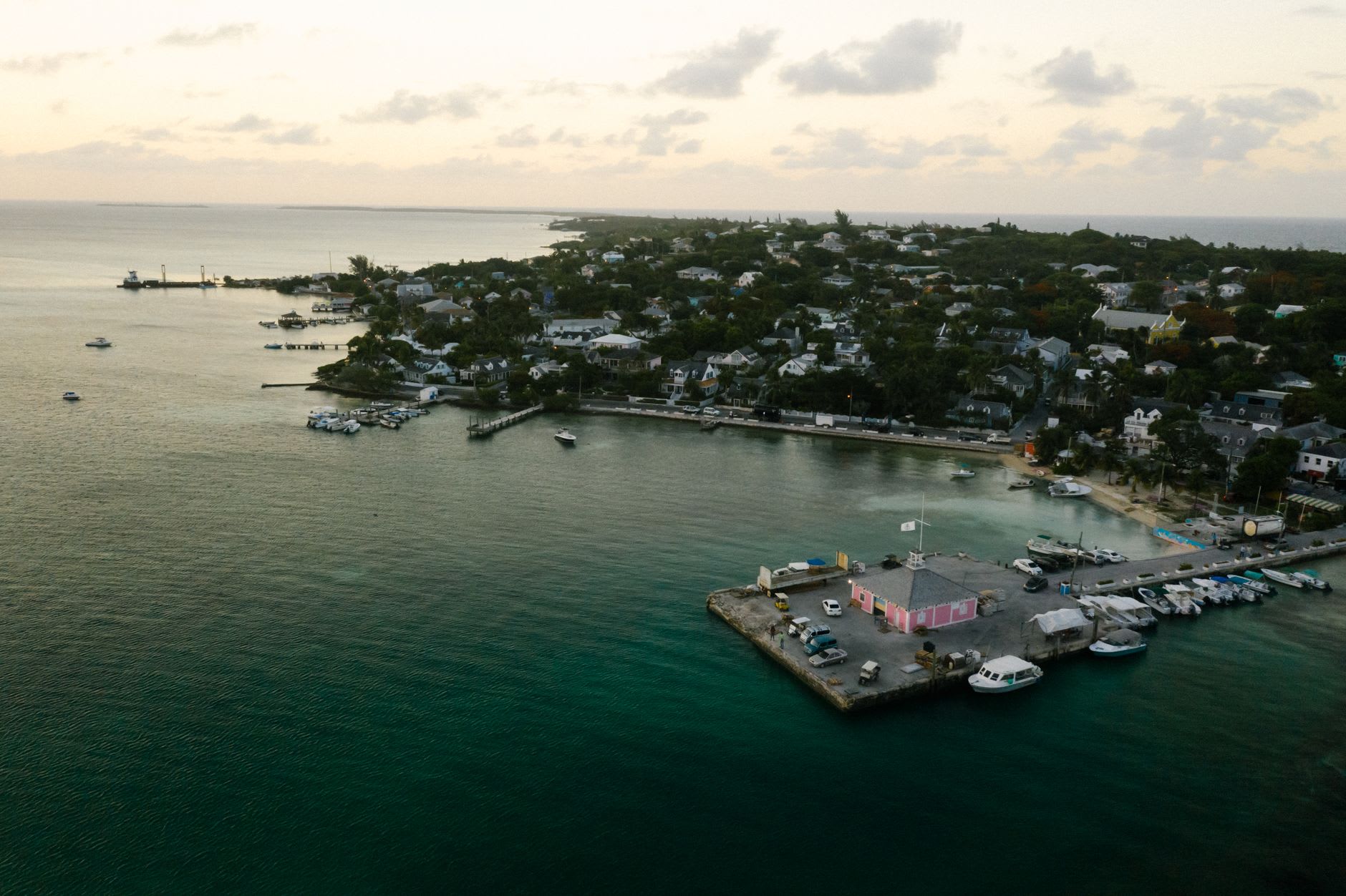
Dunmore Town sits on the western leeward side of the island and claims the status of the Bahamas’ oldest settlement, a claim that feels plausible when you walk its lanes. The architecture is New England by way of the Caribbean — clapboard houses painted the colors of fruit sorbet, white picket fences, flowering bougainvillea draped over gates, church steeples appearing between the trees. There are no cars in any meaningful sense; everyone moves by golf cart, which sounds twee until you are on one and realize it matches the speed the island demands. Queen Conch restaurant on Colebrooke Street has been serving conch fritters and bread pudding long enough that the table surfaces hold the record of it, and the bread pudding is the kind you eat without once considering the calories because something about the rum sauce makes the concept of restraint seem foreign. I ate there twice. I would have eaten there a third time if the ferry schedule had permitted it.
When to go: February through April is ideal — dry, warm, and the water visibility peaks. December and January bring the best weather but also some swell on the Atlantic beach side. The island fills around Easter weekend; go the week before if you want Dunmore Town mostly to yourself. Summer months are quieter and cheaper, though the humidity climbs and brief afternoon storms roll through.