
Eleuthera
"At the Glass Window Bridge I stood between two oceans having entirely different days. One was angry. One was not."
A hundred-mile sliver of island where the Atlantic and Caribbean meet at a bridge so narrow one lane of traffic separates two oceans.

The Glass Window Bridge is barely wide enough for two cars passing slowly, and it crosses a rock shelf so thin that you can look left and see the Atlantic — dark blue, running hard against limestone cliffs, spitting spray — and look right and see the Caribbean sitting calm and turquoise and unbothered in a bay where the water lies flat as a dinner plate. I stopped the rental car in the middle, which you are technically not supposed to do, and stood between them for long enough to understand that I was standing on the narrowest land in the Bahamas, on an island shaped like a threadlike crack in the ocean floor, where two bodies of water with entirely different personalities share a common wall that is sometimes no wider than a road.

Eleuthera is a hundred miles long and rarely more than two miles wide, and its geography produces a characteristic variety of landscape that no other island in the archipelago replicates. The Atlantic side has cliffs, surge channels, and a swell that has crossed open ocean from West Africa; the Caribbean side has protected coves, tidal flats, and the shallow water over pink-tinged sand that gives Harbour Island its famous beach. In the middle, the pine barrens give way to farms producing the Eleuthera pineapple — smaller and sweeter than the commercial variety, a point of island pride that comes up in conversation whether you ask about it or not. At Tarpum Bay, a small fishing village in the south, the waterfront is painted in the colors of a child’s crayon box: turquoise, coral, yellow, white. Local fishermen haul their catches up the beach in front of houses where old men sit on porches watching the water.
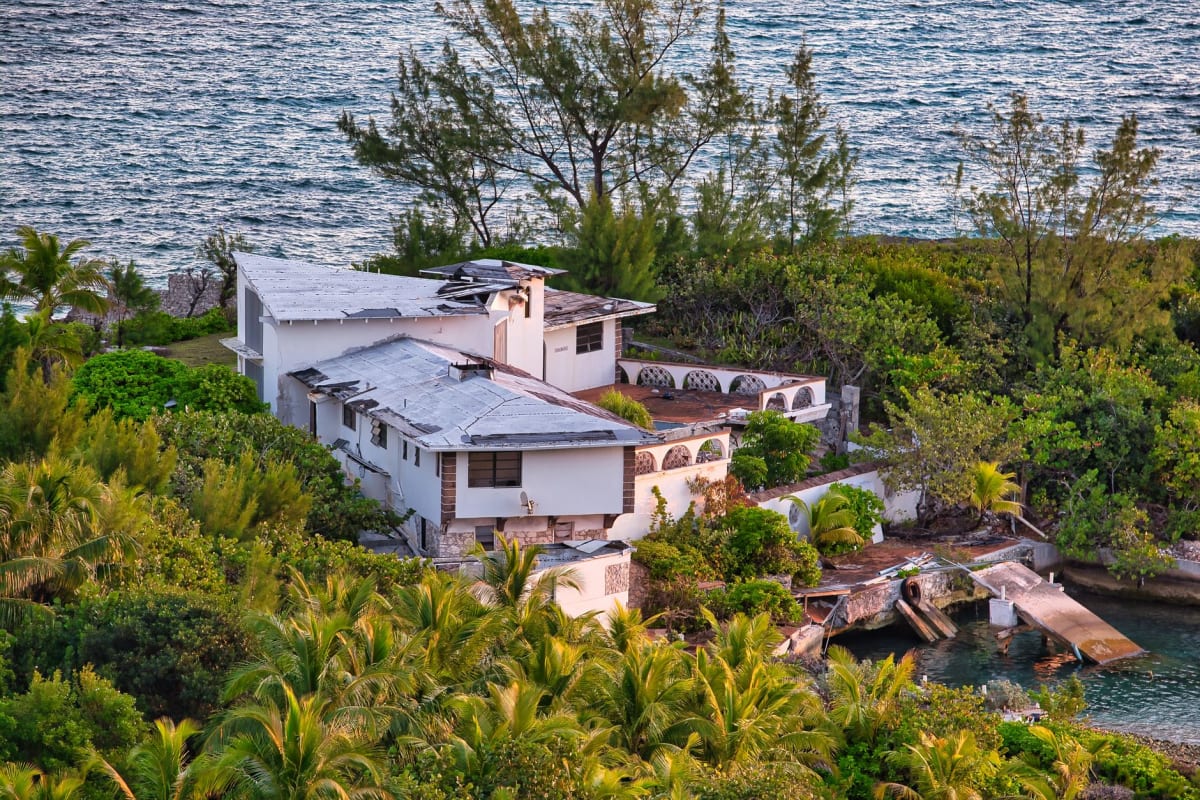
Governor’s Harbour, roughly in the island’s center, has the most complete colonial character of any Bahamian town outside Nassau — a church on a hill, a waterfront library painted the color of old mustard, shuttered houses with ceiling fans visible through open windows. The bakery on the main street opens at six in the morning and sells a johnnycake still warm from the oven that costs almost nothing and requires no accompaniment. I ate mine on a wall above the harbor watching the morning shift of pelicans work the calm water, and the whole scene had the quality of something that had not been prepared for visitors — which is its most reliable appeal.
When to go: December through April for the best weather and flattest Atlantic swells, which makes the Glass Window Bridge safer to stop and photograph. The Eleuthera Pineapple Festival runs in May if you want the island at its most locally festive. Surfers come for the Atlantic-facing breaks year-round, with the best swell in winter months.
Keep exploring
More from The Bahamas
 bahamas
Exuma Cays
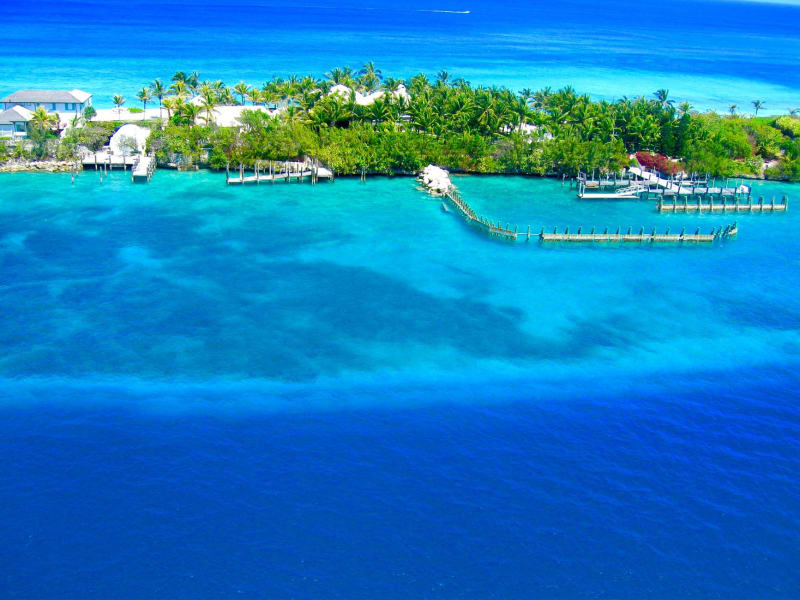
Ninety miles of limestone islands separated by channels so transparent that boats appear to float in thin air above the sand.
Explore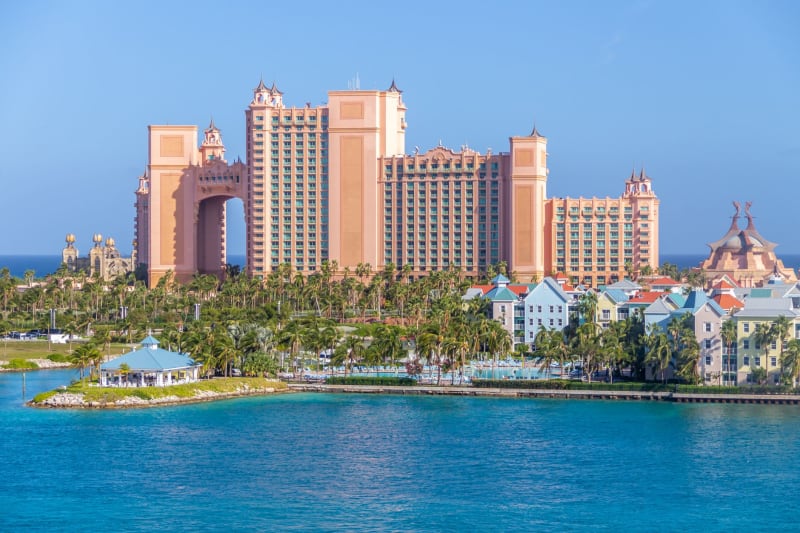 bahamas
Grand Bahama
Freeport's duty-free sprawl hides the fact that Lucayan National Park contains one of the longest underwater cave systems on earth.
Explore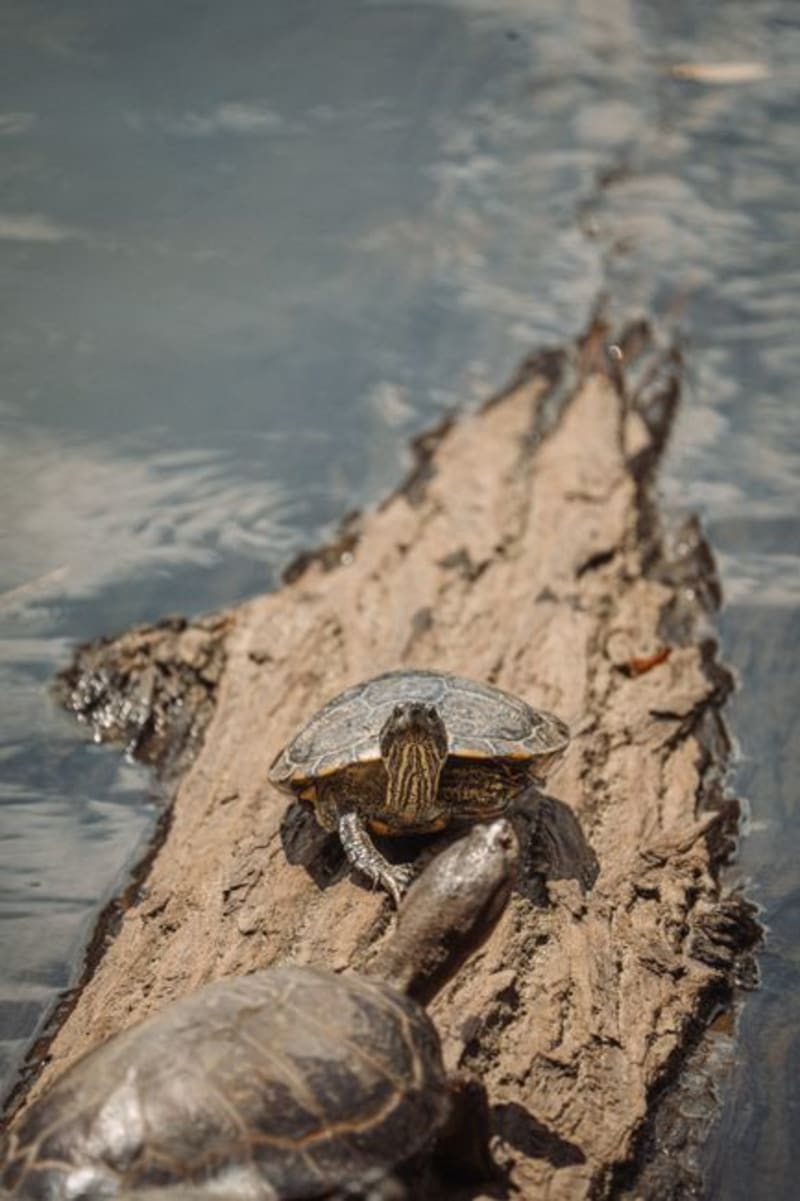 bahamas
Green Turtle Cay
A Loyalist fishing village on a three-mile cay where the harbour is still the town's only real street.
Explore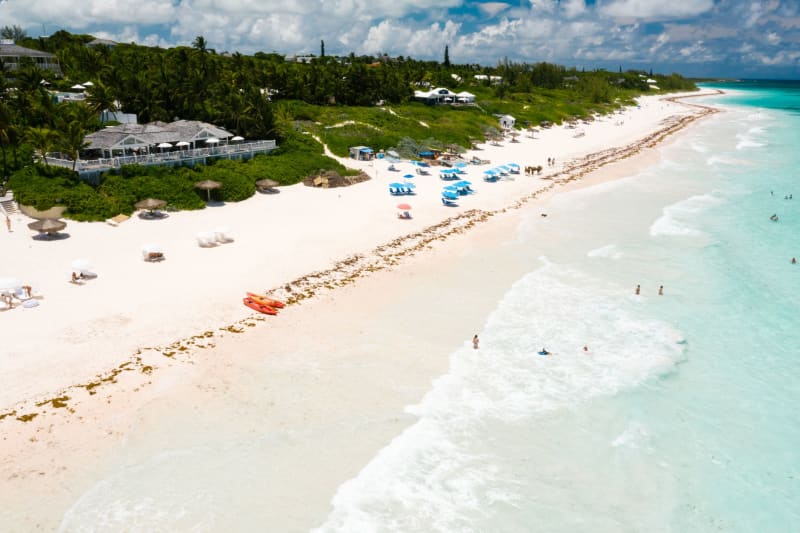 bahamas
Harbour Island
Three miles of genuinely pink sand and a village of pastel clapboard houses where golf carts are the only reasonable way to move.
Explore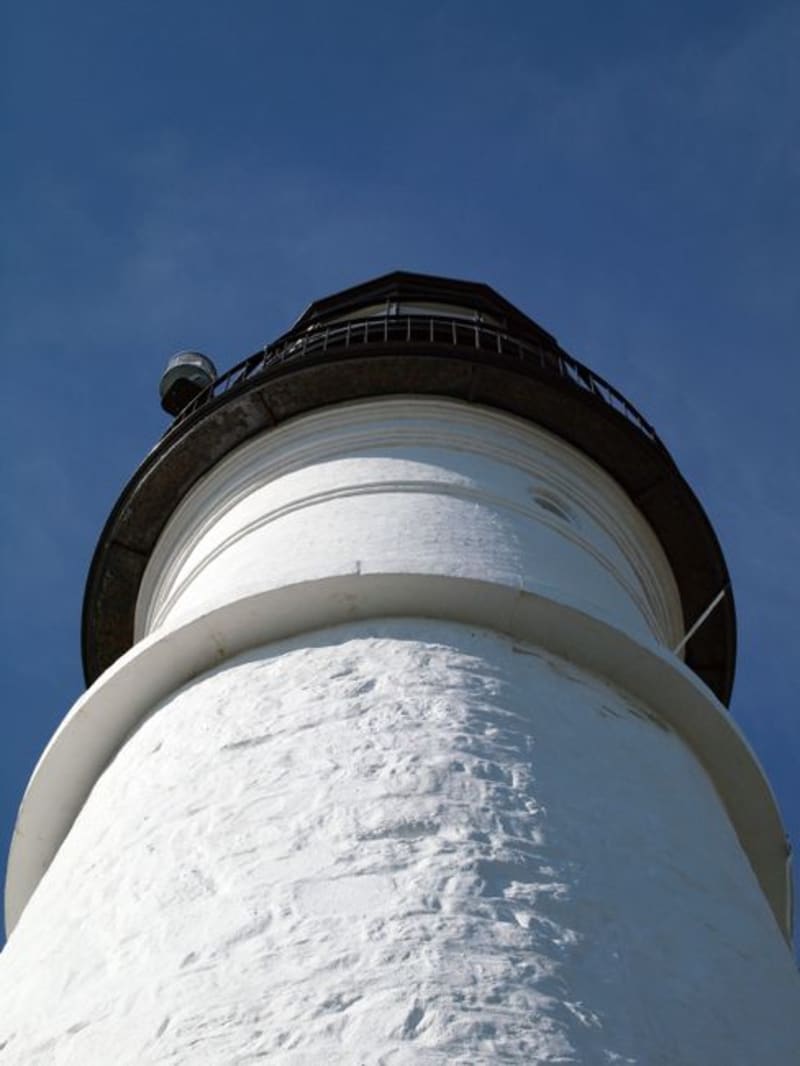 bahamas
Hope Town
A candy-striped lighthouse still lit by hand each night above a harbour of pastel saltbox cottages on Elbow Cay.
Explore bahamas
Inagua
The remote southern island where 80,000 flamingos turn the salt flats pink and almost no tourists think to come.
Explore