Crooked Island
"The lighthouse still stands because the reason it was built — a channel that will happily wreck you — never went anywhere."
A boomerang-shaped island of flamingos, ruined cotton plantations, and a lighthouse still standing over the channel that made it dangerous.
Crooked Island curves around the Bight of Acklins in a shape that gives it its name, and its position at the edge of the Crooked Island Passage, a historically important shipping channel between the Bahamas and the Caribbean, made it both strategically valuable and genuinely dangerous to sailors for centuries — hence Bird Rock Lighthouse, built in 1876 on a tiny islet off the northwestern tip, its white tower still standing over water that has claimed more ships than anyone bothered to count precisely. I hired a local boatman to take me out to it, and climbing the rusted interior stairs to the gallery, looking down at reef clearly visible through the shallow, startlingly clear water, I understood exactly why ships kept finding this particular stretch of sea.
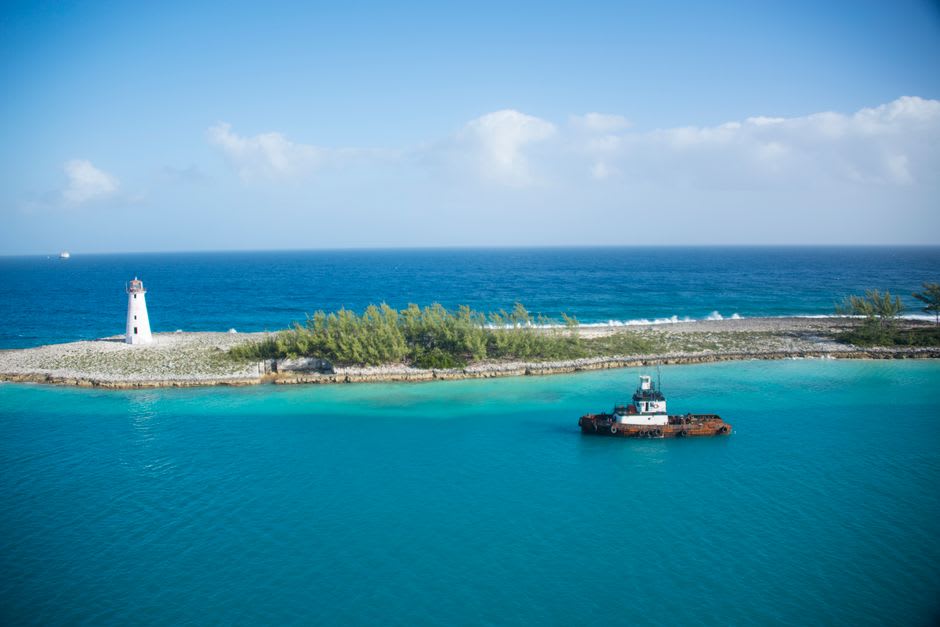
Inland, the ruins of the Marine Farm plantation sit on a low hill, a British fortification and cotton estate from the early 1800s whose stone walls and cannon emplacements are still standing, overtaken now by scrub and the kind of silence that settles over abandoned military architecture everywhere. Cotton plantations across this stretch of the southern Bahamas collapsed after soil exhaustion and the end of slavery in the 1830s, and Crooked Island’s population, once far larger, has never really recovered its former size — the island today has only a few hundred residents spread across small settlements connected by a single main road.
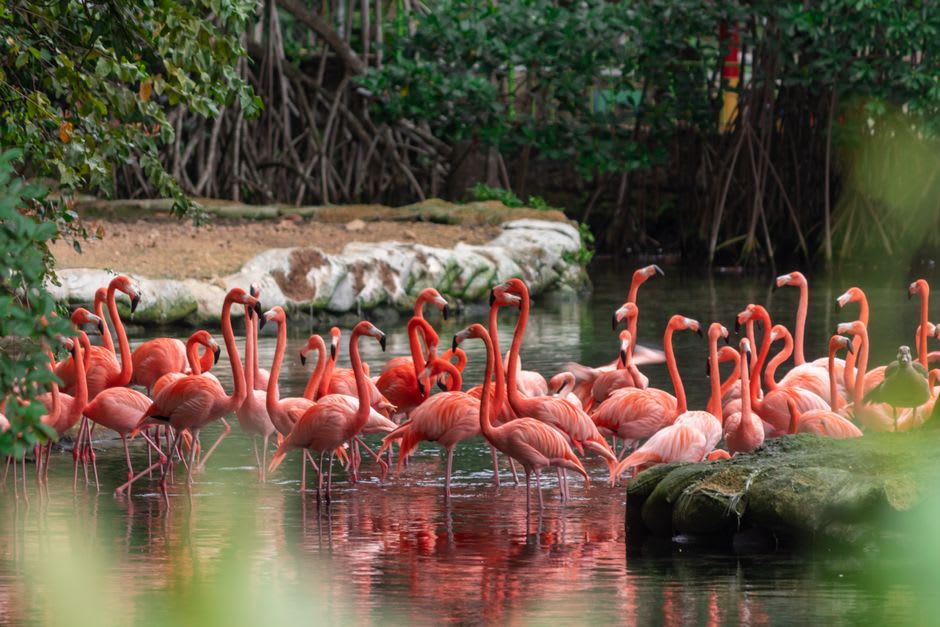
French Wells Bay, on the island’s southern side, is a wide mangrove estuary that hosts American flamingos, herons, and a genuinely startling density of birdlife for such a small, quiet place, and I spent a whole morning there with a local guide who could call out species from a hundred meters by silhouette alone. The beaches facing the passage are long, hard-packed, and essentially empty — the kind of place where you notice your own footprints are the only ones for as far as you can see in either direction.
When to go: December through April for dry, mild weather. Crooked Island has minimal infrastructure and few flights, so book accommodation and transport well ahead, and bring cash — there’s little in the way of banking here.
Keep exploring
More from The Bahamas
 bahamas
 Eleuthera
A hundred-mile sliver of island where the Atlantic and Caribbean meet at a bridge so narrow one lane of traffic separates two oceans.
Explore bahamas
 Exuma Cays
Ninety miles of limestone islands separated by channels so transparent that boats appear to float in thin air above the sand.
Explore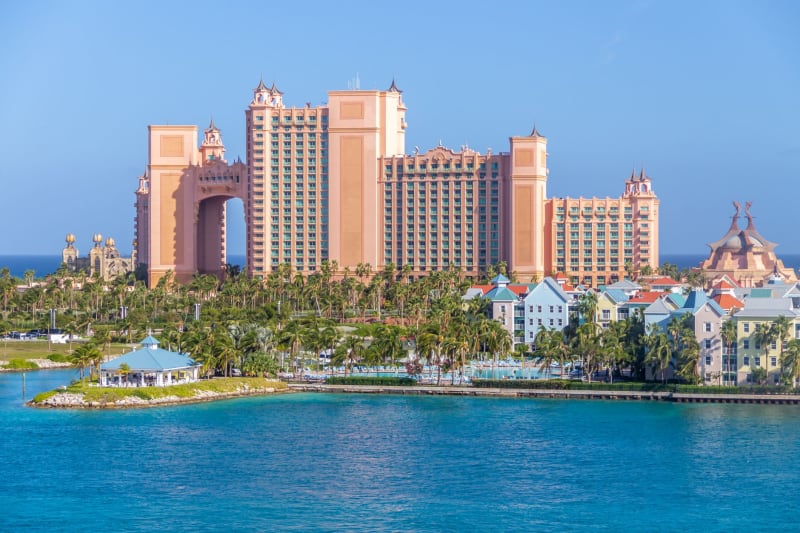 bahamas
 Grand Bahama
Freeport's duty-free sprawl hides the fact that Lucayan National Park contains one of the longest underwater cave systems on earth.
Explore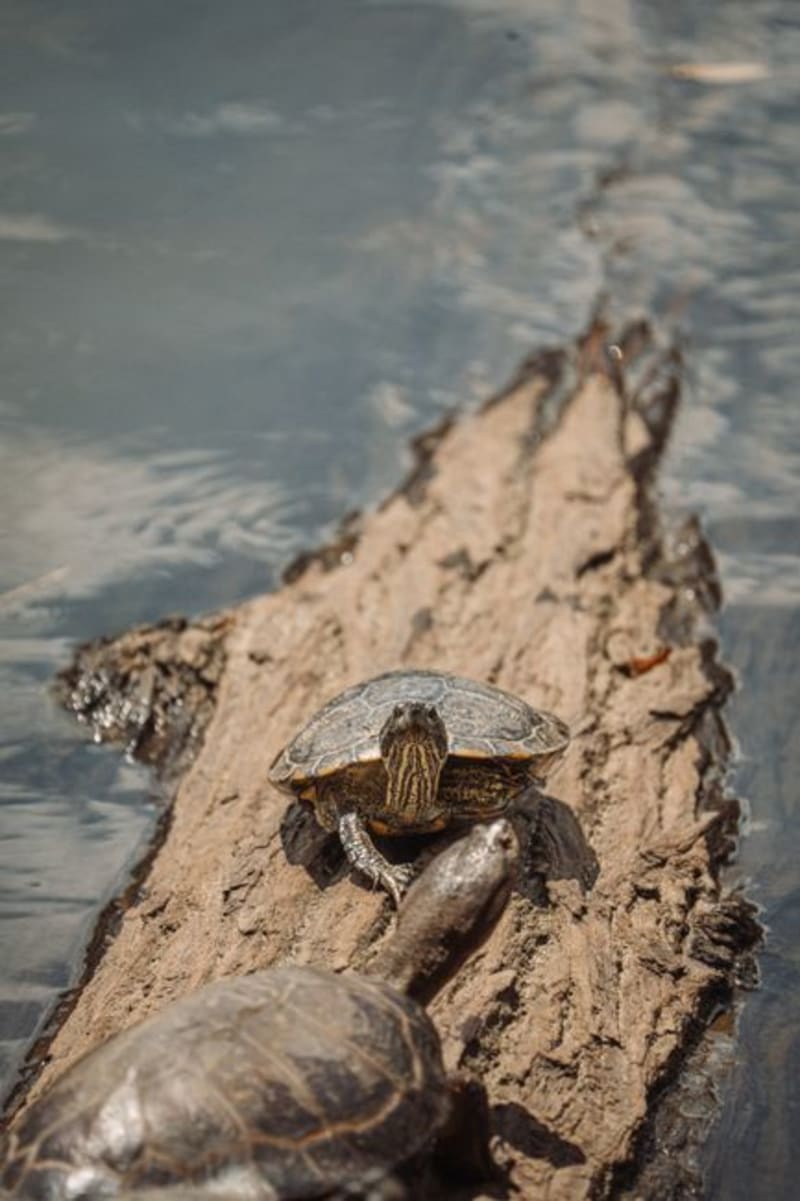 bahamas
 Green Turtle Cay
A Loyalist fishing village on a three-mile cay where the harbour is still the town's only real street.
Explore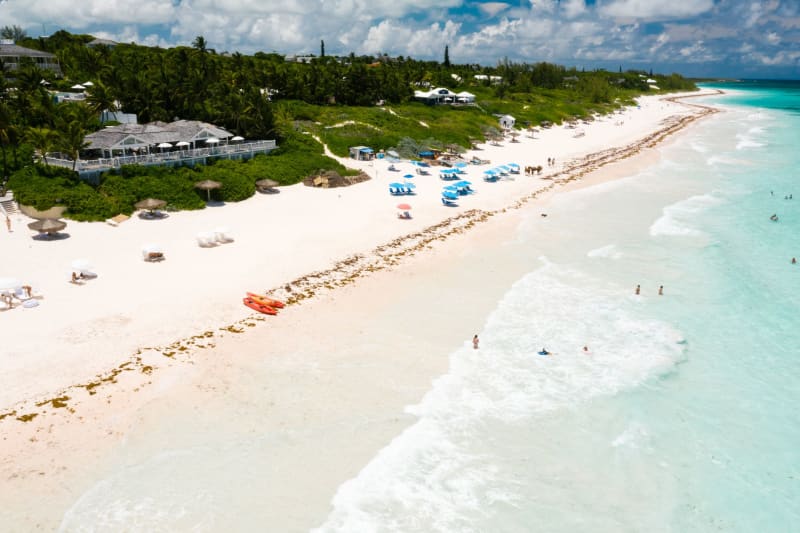 bahamas
 Harbour Island
Three miles of genuinely pink sand and a village of pastel clapboard houses where golf carts are the only reasonable way to move.
Explore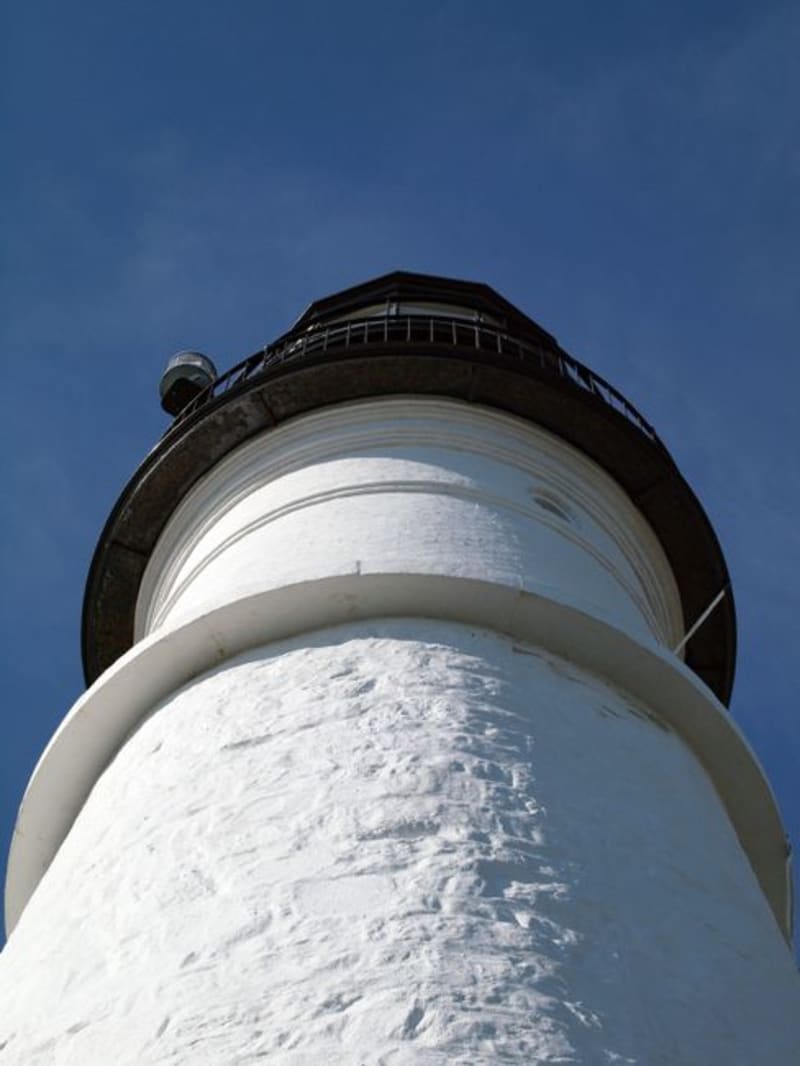 bahamas
 Hope Town
A candy-striped lighthouse still lit by hand each night above a harbour of pastel saltbox cottages on Elbow Cay.
Explore