
Cat Island
"Father Jerome built himself a monastery on the highest hill in the Bahamas and lived there alone. I think I understand completely."
Mount Alvernia stands sixty-three metres above sea level — modest by any continental measure, but the highest point in the Bahamas, and in a flat limestone archipelago, sixty-three metres is enough to see the curve of the horizon from the top. I climbed it in the early morning before the heat established itself, following a rough path through pine scrub that smelled of resin and salt, past the fourteen Stations of the Cross carved into limestone at intervals along the trail. At the summit, the Hermitage appeared: a small stone monastery built by hand by one man, finished in 1940, its walls rough-hewn from the same limestone the island is made of. Father Jerome Hawes — English-born, trained as an architect, ordained Anglican, later converted to Catholicism — built it as a retreat for himself in the last years of his life. He lived in it alone until his death in 1956.
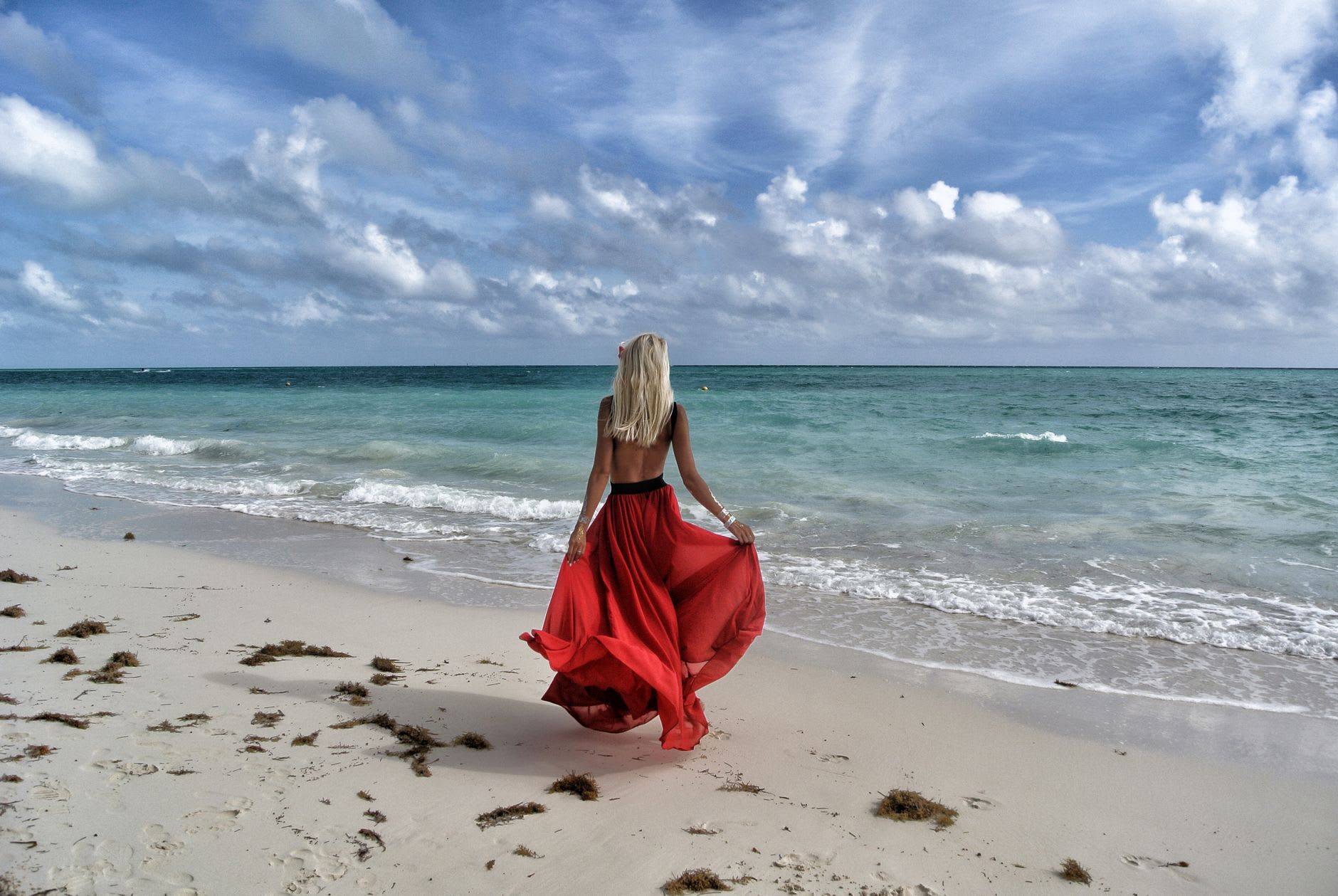
The Hermitage is built at a scale that suggests its creator wanted to feel exactly contained by it — the chapel is barely large enough for ten people, the sleeping cell is the size of a walk-in closet, the bell tower rises above in a proportion that is architecturally exact and somehow personal. From the steps I could see the entire island’s spine, the Atlantic glittering to the east and the Caribbean lying flat to the west, and Cat Island laid out beneath in a patchwork of pine, scrub, and the remains of old cotton plantations where the soil went poor after the plantation economy collapsed in the early 1800s. The ruins of those estates still stand in the interior, their stone walls overtaken by vine, forming dark rooms open to the sky.
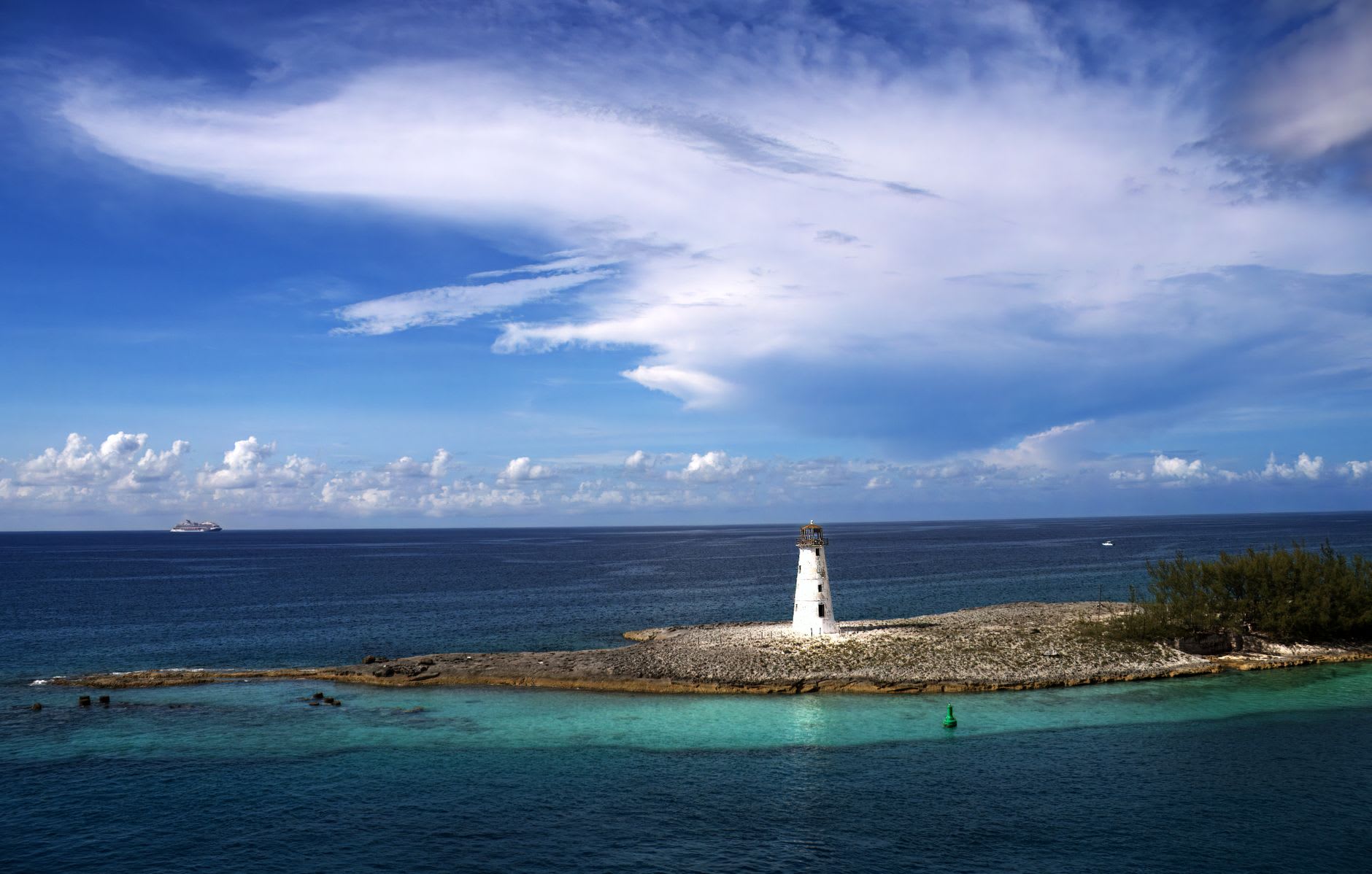
Arthur’s Town, in the northern part of the island, is where Sidney Poitier was born and grew up — a fact the town mentions with proprietary pride on a painted mural near the road, a hand and a face and the specific gravity of a village that produced someone who left and did something that couldn’t be ignored. The village otherwise has the character of all the small Bahamian settlements I find most compelling: a church, a small shop with an irregular inventory, houses painted in colors that don’t coordinate with each other and are more interesting for it, and the sound of the sea from most streets because the island is narrow enough that it is always close. The eastern beaches are long and empty and backed by casuarina pines whose needles make a hissing sound in any breeze, which combines with the surf to produce a layered, hypnotic noise I associate with solitude of the voluntary kind.
When to go: December through April for dry weather and manageable heat for the Mount Alvernia climb. The trail in summer is punishing. Cat Island has no large resorts and limited accommodation — book well in advance for the Christmas period, when diaspora Bahamians return and the island’s normal quietness is temporarily suspended.