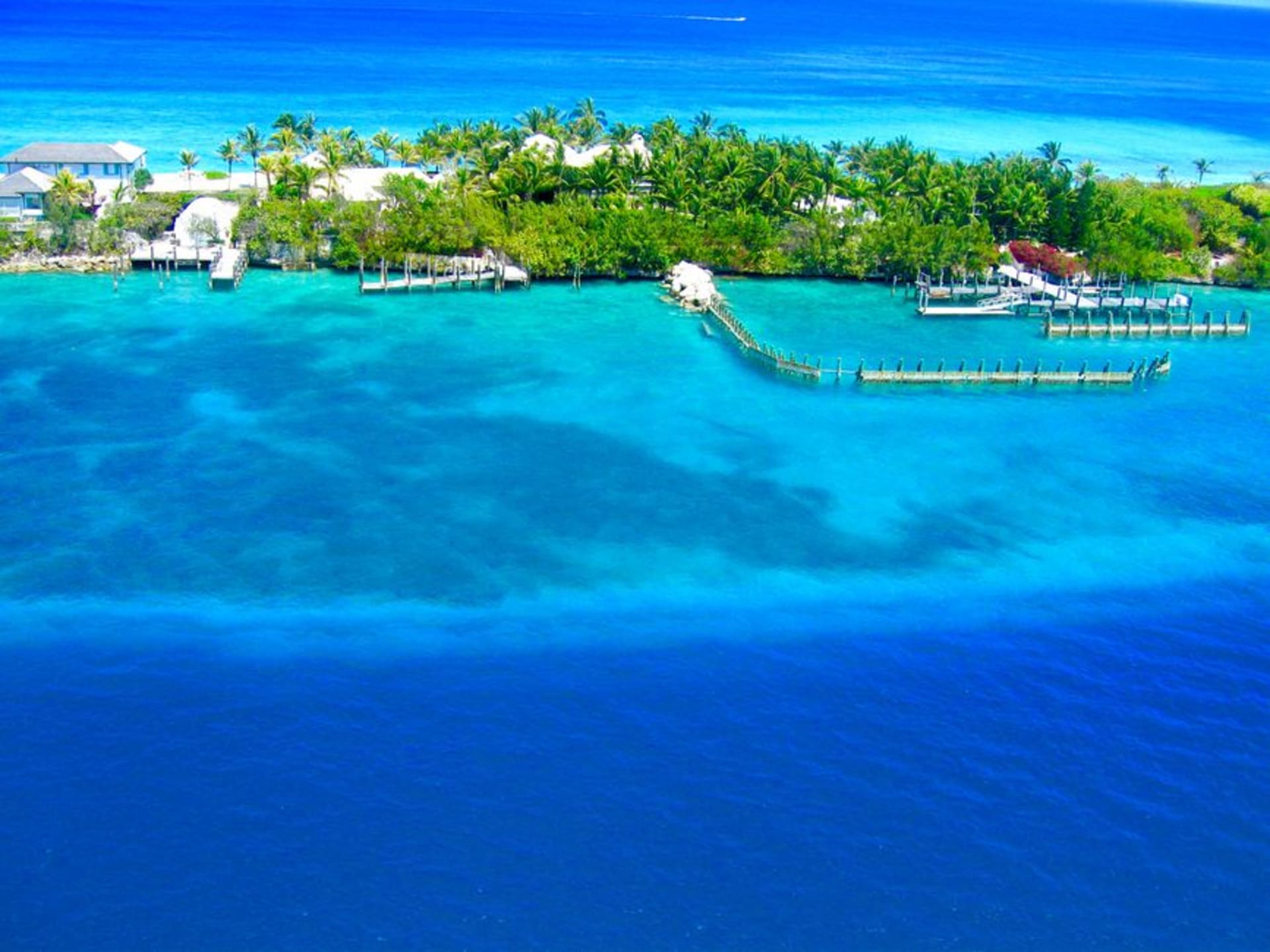
Bimini
"Fifty miles from Florida and it might as well be a different century. That gap is the whole point of Bimini."
The nearest Bahamian shore to Florida, where Hemingway drank and fished and a wall of standing stones convinced someone it was Atlantis.
You can see the glow of Miami on the horizon some nights from North Bimini, a pale smear of light fifty miles across open water, and that proximity is the strange fact that defines the island: it is the closest piece of the Bahamas to the United States, and yet it has stayed almost stubbornly itself. I came in on a small charter plane that banked low over a sandbar so pale blue it looked lit from beneath, and landed on a strip barely longer than the island is wide. Alice Town, the main settlement, is a single main road lined with clapboard bars, a few marinas thick with sportfishing boats, and the ghost of Ernest Hemingway everywhere — he came here in the 1930s to fish for marlin and tuna, drank at the Compleat Angler until it burned down in 2006, and wrote about the Gulf Stream that runs so close to shore here that the water changes from pale green to indigo within a boat length.
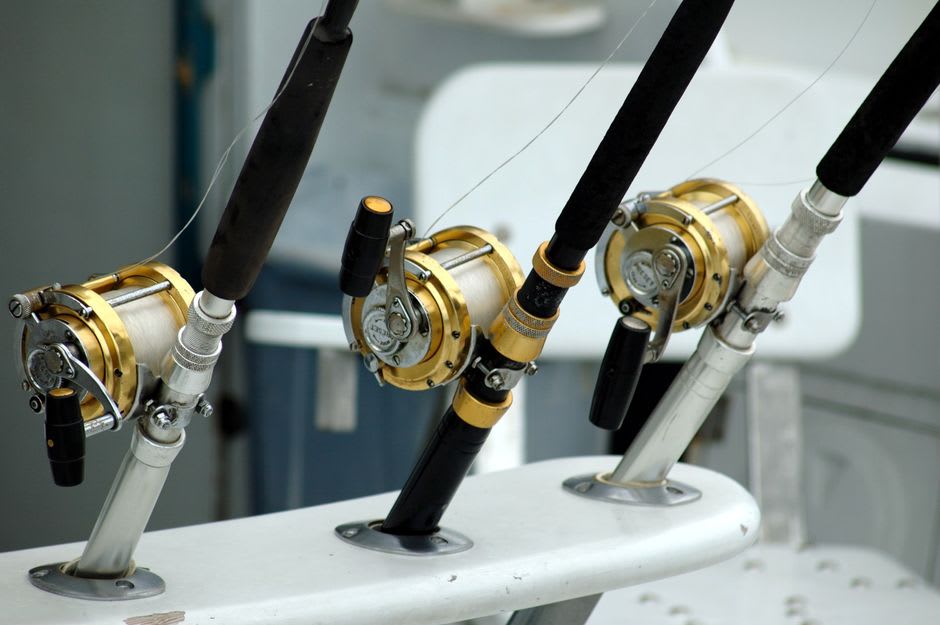
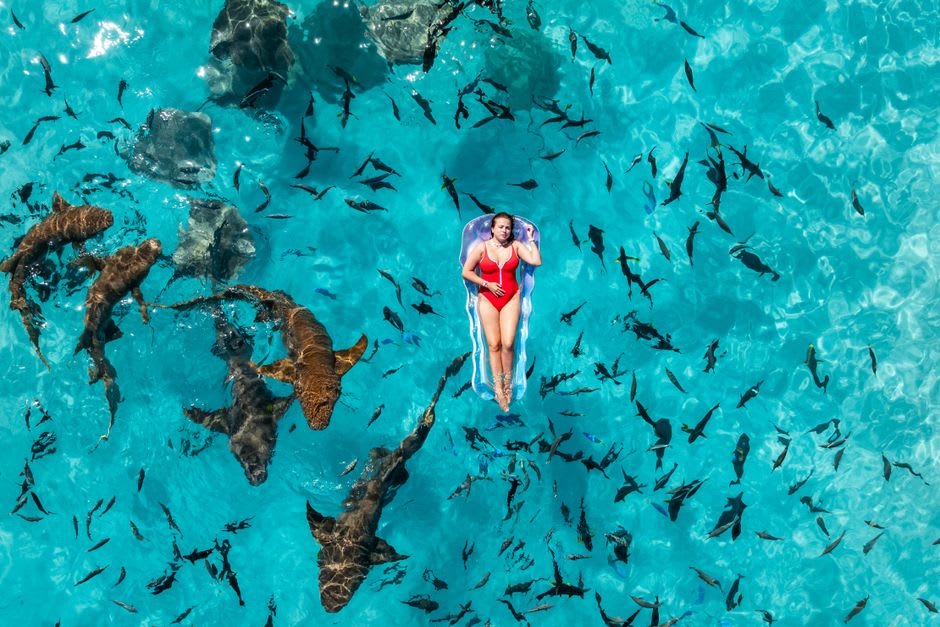
The Gulf Stream is the actual reason Bimini exists as a place people go: it funnels migratory game fish — marlin, wahoo, tuna, sailfish — close enough to the island that the world’s biggest sportfishing tournaments have been staged from its docks since the 1930s. I’m not a fisherman myself, but I spent an afternoon at the Bimini Biological Field Station, known locally as the Shark Lab, talking to researchers who tag lemon sharks in the mangrove nurseries on the island’s south end, and came away with a completely rearranged sense of what these animals actually do all day, which turns out to be mostly patient and unglamorous.
Offshore, in about eighteen feet of water, lies the Bimini Road — a straight double line of large, flat limestone blocks that some divers insist is a paved road from the lost city of Atlantis, and that geologists insist, with considerable evidence, is a naturally fractured beachrock formation. I dove it anyway, because a myth you can swim over is worth the trip regardless of the geology committee’s findings. On land, the Healing Hole, a freshwater spring hidden in the mangroves, draws a smaller but equally devoted set of pilgrims who swear by its mineral content, and I’ll say only that floating in fresh, cool water surrounded by red mangrove roots after a week of salt and sun felt genuinely restorative, science aside.
When to go: Bimini is a fishing island first, and the big-game season runs May through September, when marlin tournaments fill the marinas. For calmer weather and lower prices, visit December through April.