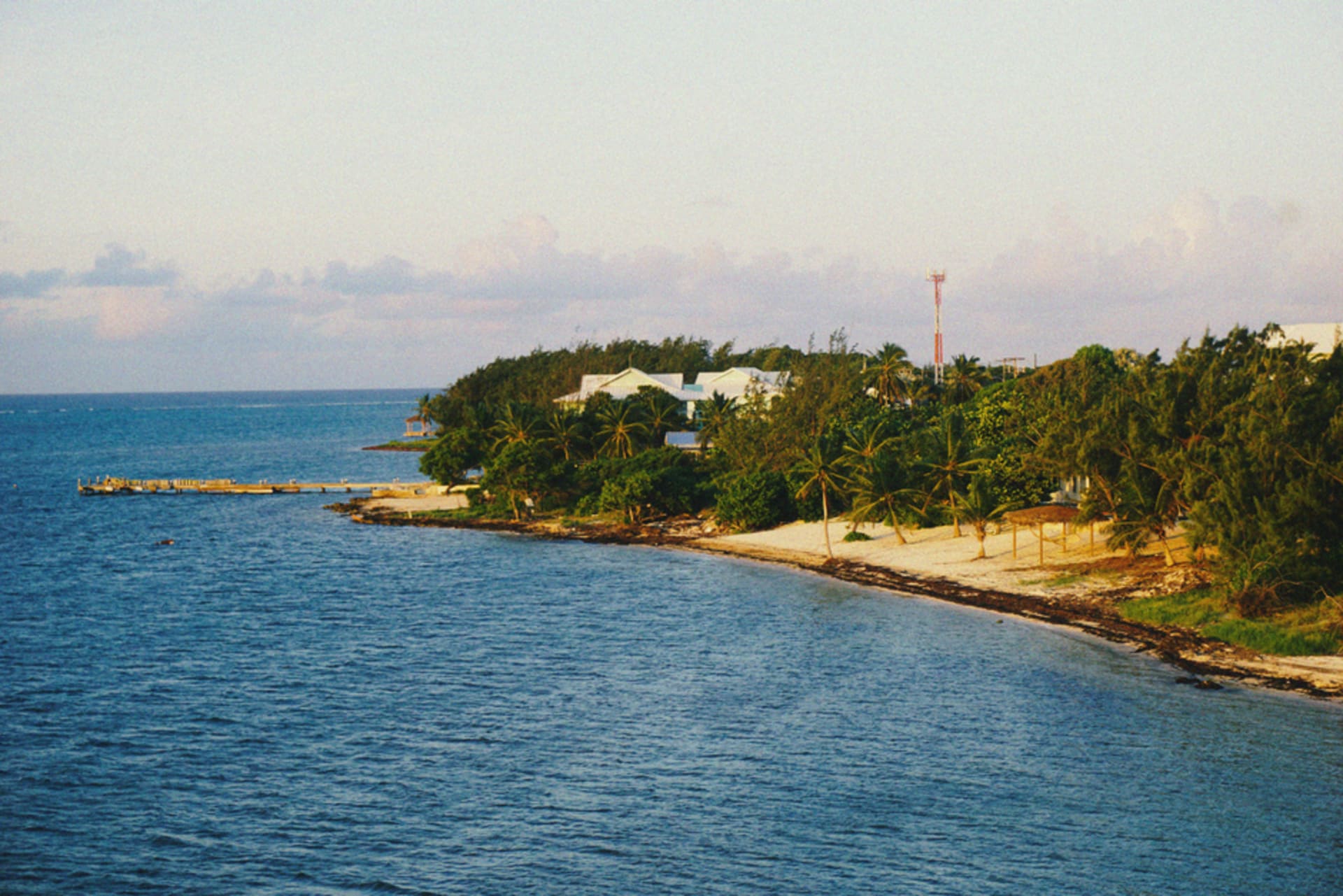
Acklins
"I asked how many people fish these flats in a given week. He thought about it and said: fewer than fish in a given hour."
Crooked Island's quieter sister across the Bight, where bonefish outnumber tourists by a margin nobody bothers to calculate.
Acklins sits across the Bight from Crooked Island, close enough that the two are often mentioned in the same breath and administered together, but it has an even smaller population and an even lighter footprint of visible development, connected to its neighbor by a bridge at the northern end and otherwise reached by small plane or the mailboat that still services these southern islands on its old, unhurried schedule. I came specifically for the bonefishing, which locals here will tell you, without much interest in being contradicted, is some of the best and least crowded in the entire Bahamas — miles of pale, current-swept flats along Chester’s Highway on the island’s western side, where bonefish move in nervous, silver-flashing schools that a good guide can spot from a skiff at a hundred meters.
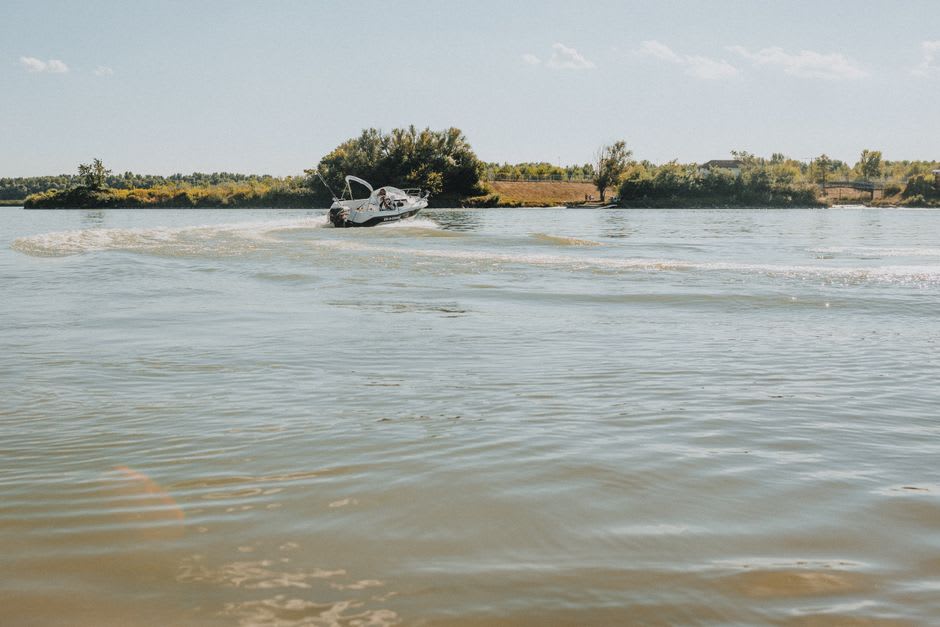
My guide, a soft-spoken man named Rudolph whose family has fished these flats for at least three generations, cast a fly maybe six times over the course of a morning and hooked a bonefish on four of them, a ratio that would be unthinkable on more pressured water elsewhere in the Caribbean. Between casts he pointed out the ruins of old plantation houses visible from the water at Delectable Bay and Pompey Bay, stone shells from the same cotton-era collapse that emptied out Crooked Island, now just landmarks his family uses to navigate rather than historical sites anyone formally preserves.
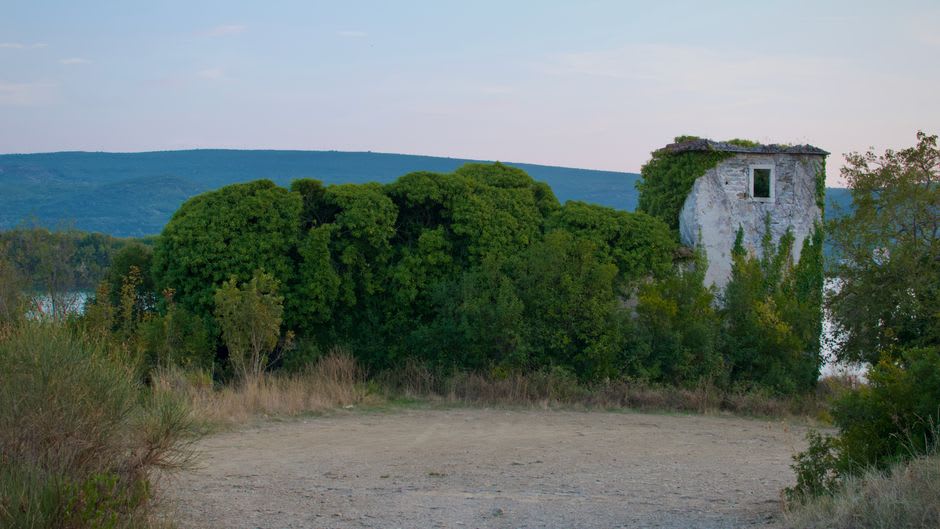
Spring Point and Chester’s are the island’s main settlements, each a handful of houses, a church, and a small shop, and the whole island runs on a rhythm dictated by the mailboat’s arrival, which brings supplies, mail, and, occasionally, news that everyone already half-knows through other channels. I stayed in a small guesthouse where dinner was whatever the owner’s son had caught that afternoon, cooked simply and served without any pretense that it could have been otherwise.
When to go: November through May for the most comfortable weather and the calmest flats for fishing. Arrange a guide and accommodation well in advance — options are extremely limited and fill up around fishing season.