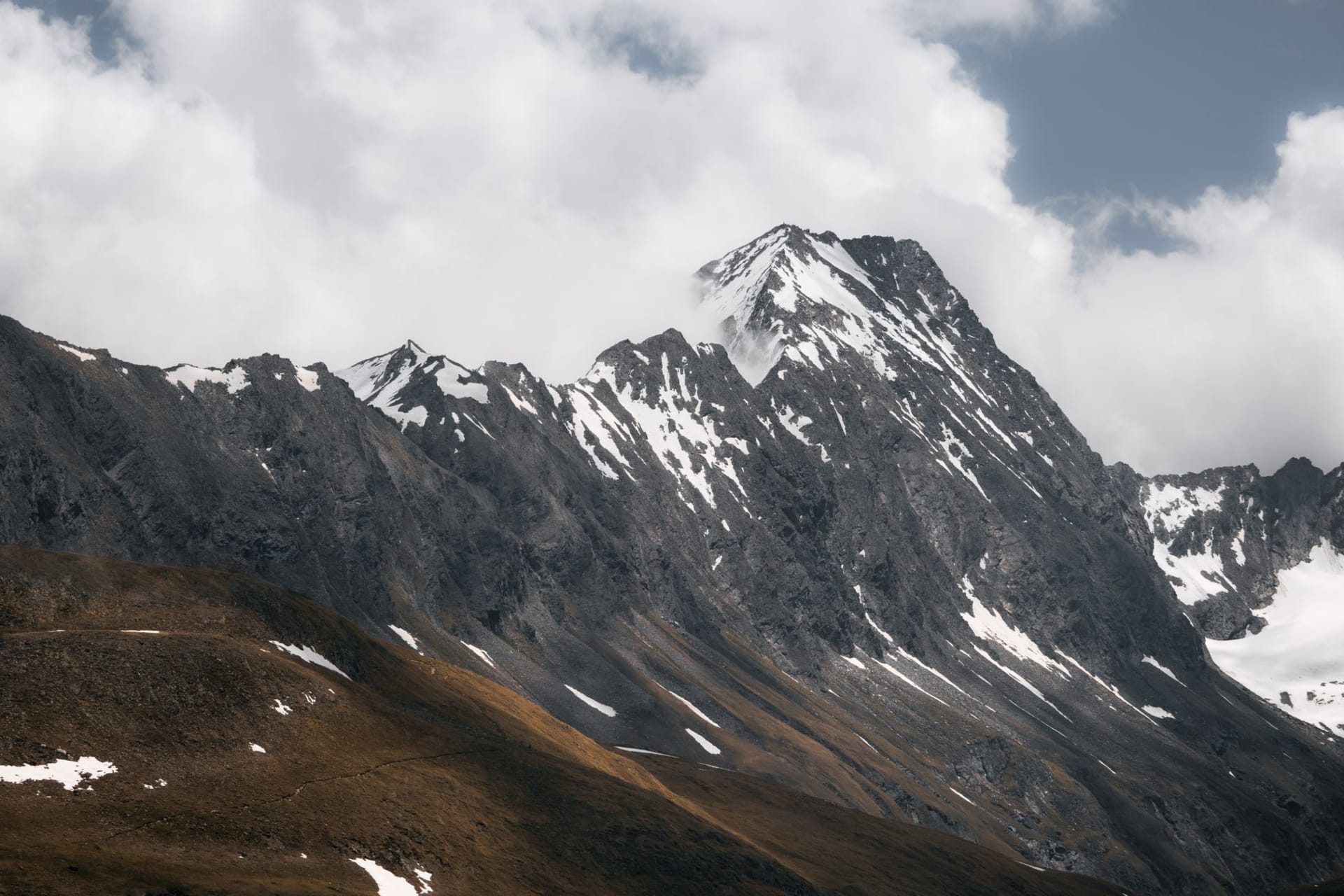
Stubai Glacier
"Snow in August is either a miracle or an argument — up here it is simply geography."
The Stubaital runs southwest from Innsbruck, the most immediately accessible of Tyrol’s major valleys, and the road follows the Ruetz river upstream through Schönberg and Mieders and Fulpmes — small working villages that belong to the valley rather than to the glacier at the end of it, though the glacier is why most people have heard of the place. I took the valley bus from Innsbruck’s main station on a morning in late August when the city was thirty degrees and humid, the kind of heat that makes you think about altitude the way a thirsty person thinks about water. By the time we reached Mutterberg at the valley’s end, the temperature had dropped eight degrees and I had put my jacket back on for the first time in three weeks.
The gondola from the Mutterberg base station rises in three stages to the glacier at 3,300 meters, each stage a world unto itself: the lower forest giving way to alpine meadow, then to rocky scree and permanent snow patches, then finally to the glacier proper — white and blue and horizontal in a way that seems wrong at that altitude, as though a piece of winter were being stored here for safekeeping. In August the glacier is reduced from its winter dimensions but not absent: the snowfield extends several hundred meters in each direction and people are genuinely skiing on it, not symbolically but with commitment, the lifts running, the ski school operating. I watched an Austrian family — two parents, two children under ten — skiing with calm competence on a glacial snowfield in August under full sun and thought about the particular relationship Tyrolean people have with altitude and with snow.
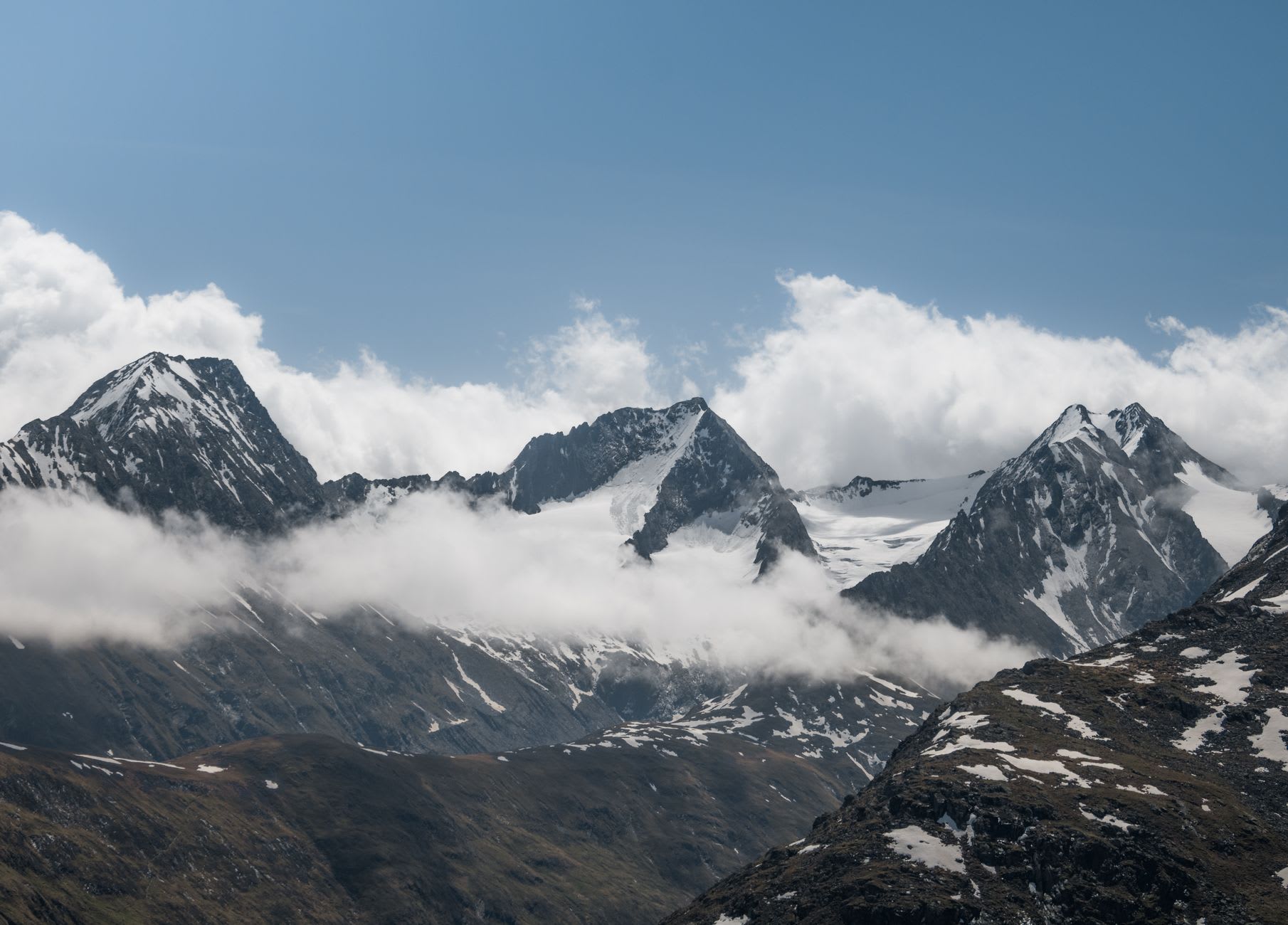
The Schaufelspitze at 3,497 meters is the highest accessible point in the area, a thirty-minute walk from the top gondola station along a marked route that requires no technical equipment in summer — just proper shoes, layers, and a reasonable head for exposure. The trail crosses the glacier’s edge and then follows a rocky ridge to the summit cross. I went up on a clear September morning when the visibility was what alpine people call “unlimited” — you could see, or felt you could see, into five countries: Austria, Italy, Switzerland, Germany, and perhaps Liechtenstein depending on which direction you were convincing yourself was northwest. The Ötztaler Alps were visible to the west, the Zillertal Alps to the east, the main ridge of the Alps running south into the distance. The wind at the summit was cold enough to make standing still uncomfortable, so I stood there for twenty minutes and was uncomfortable and didn’t leave.
The glacier area has a restaurant at the top gondola station that serves decent Gulasch and very good Apfelstrudel — the latter a minor miracle at 3,150 meters — and a snowpark for freestyle skiing that operates with an enthusiasm suggesting that whoever manages it has never once questioned the appeal of doing aerial tricks at altitude. I drank a coffee on the terrace wrapped in my jacket in August and watched a teenage boy attempt the same jump four times in a row. He landed it on the fourth attempt and looked at no one in particular when he did.

The valley below the glacier, often overlooked in the rush to the ice, has its own arguments. Neustift im Stubaital, the main village, has a Baroque church disproportionately grand for a valley this size — Tyrolean towns invested their agricultural surpluses in churches, and this one invested heavily. The village Gasthäuser serve Tyrolean food with the confidence of places that don’t need to try for anyone, and the Mutterbergalm hike from Fulpmes, below the glacier, is a good alternative half-day walk for those who want altitude without ice.
When to go: Skiing on the glacier is possible year-round but best October through May. Summer hiking — glacier walks and the Schaufelspitze route — is ideal from late June to September. August weekends are crowded; weekday visits in early September find the glacier half empty and the autumn light exceptional.