Europe
Austrian Tyrol
"The Alps here don't ask permission — they simply occupy everything you were thinking about."
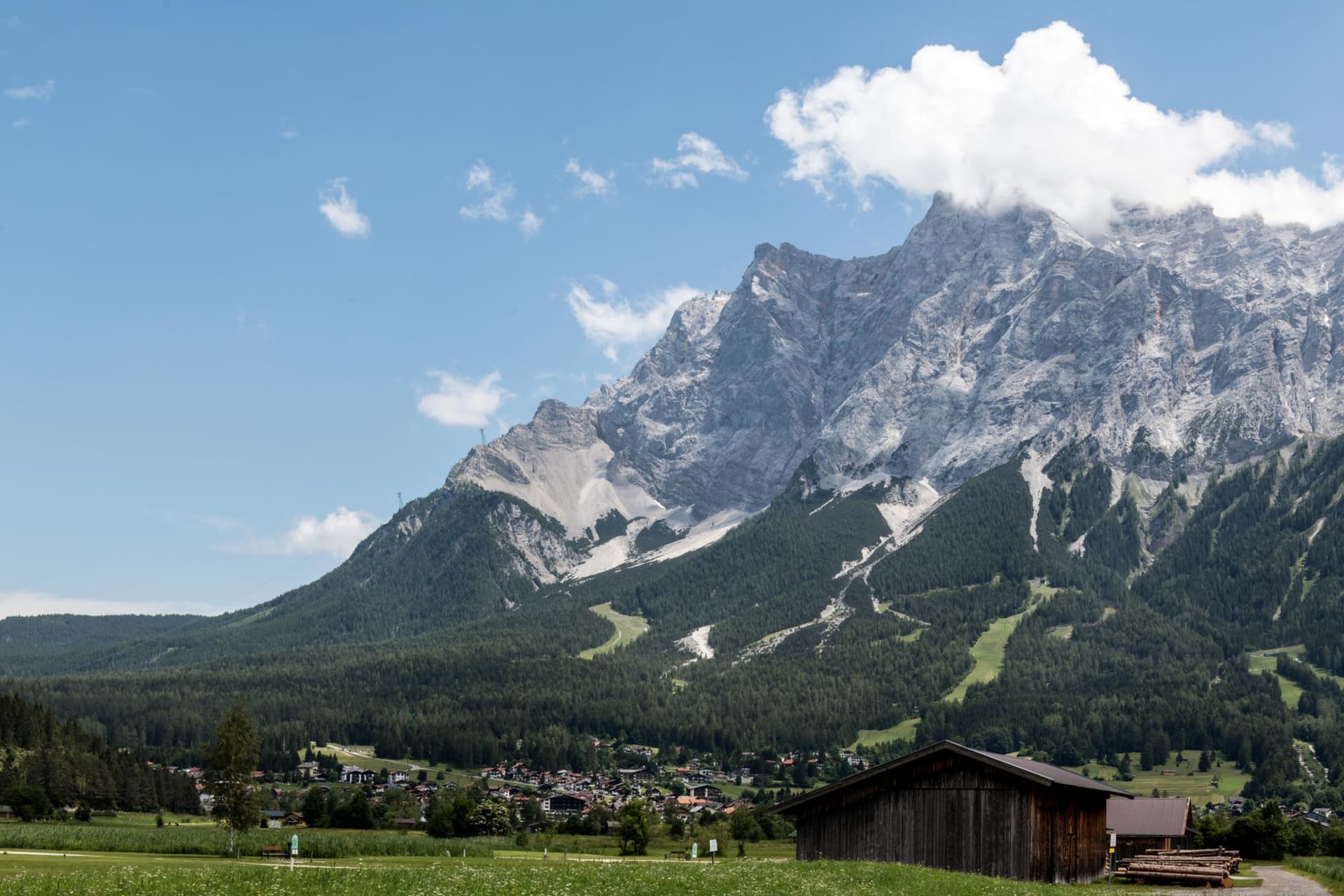
I came into Innsbruck from the west on a slow regional train, and the moment the Inn valley opened up around me I put down the book I was reading and didn’t pick it up again for three days. There is something about the Tyrolean Alps that operates differently from other mountain landscapes I know — not more dramatic, exactly, but more immediate. The peaks don’t recede into the distance; they crowd the valley floor like they have somewhere to be. By the time I’d checked into a guesthouse in the old town and walked out onto the Maria-Theresien-Strasse with its improbable view of the Nordkette range framed at the end of the street like a painting, I’d already understood this place was going to require a different kind of attention.
The Ötztal, the Zillertal, the Stubaital — Tyrol is a region organized around its valleys, each with its own character and its own reason to justify the detour. The Ötztal in particular undoes you. The valley runs fifty kilometers south into increasingly raw terrain, the villages getting quieter and the light getting stranger until you reach Sölden and then Obergurgl and then essentially nowhere, which is exactly where you want to be. I walked a stretch of the Ötztal Höhenweg above two thousand meters on a late September afternoon when the larch forests below had gone the color of old copper and the only sound was wind and the distant mechanical clank of a cow somewhere I couldn’t see. Ötztal Bergkäse, bought at a roadside farm stand near Längenfeld, was so sharp it made my eyes water in the best possible way. I ate half of it standing up, which felt appropriate.
In Innsbruck itself, the Golden Roof on Herzog-Friedrich-Strasse rewards more attention than most visitors give it — not as a monument to be photographed and moved past, but as evidence of a small city that has been taking itself seriously for six centuries. The Hofburg is quieter than Vienna’s and better for it. The local Tyrolean dumplings, Knödel, appear at every table and justify every appearance: dense, intensely savory, sliced and fried or floating in broth depending on what the kitchen decides you need. I ate them four times in five days and felt no need to apologize for it.
When to go: Late June through September for hiking — trail access opens fully by early July and the wildflower meadows peak around late June. Late September and early October bring larch color and thin crowds. December through March for skiing, with Sölden and the Stubai Glacier among the most reliable snow in the Alps.
What most guides get wrong: They route you through Innsbruck as a two-hour stop between Salzburg and Italy, which is the Tyrolean equivalent of tasting wine and then spitting it out. The valleys are the whole point. You need at minimum one full day out of the city and into a valley — any valley — to understand what this region actually is. The mountains visible from Innsbruck’s main street are not decoration. They are an invitation, and it would be rude not to accept.