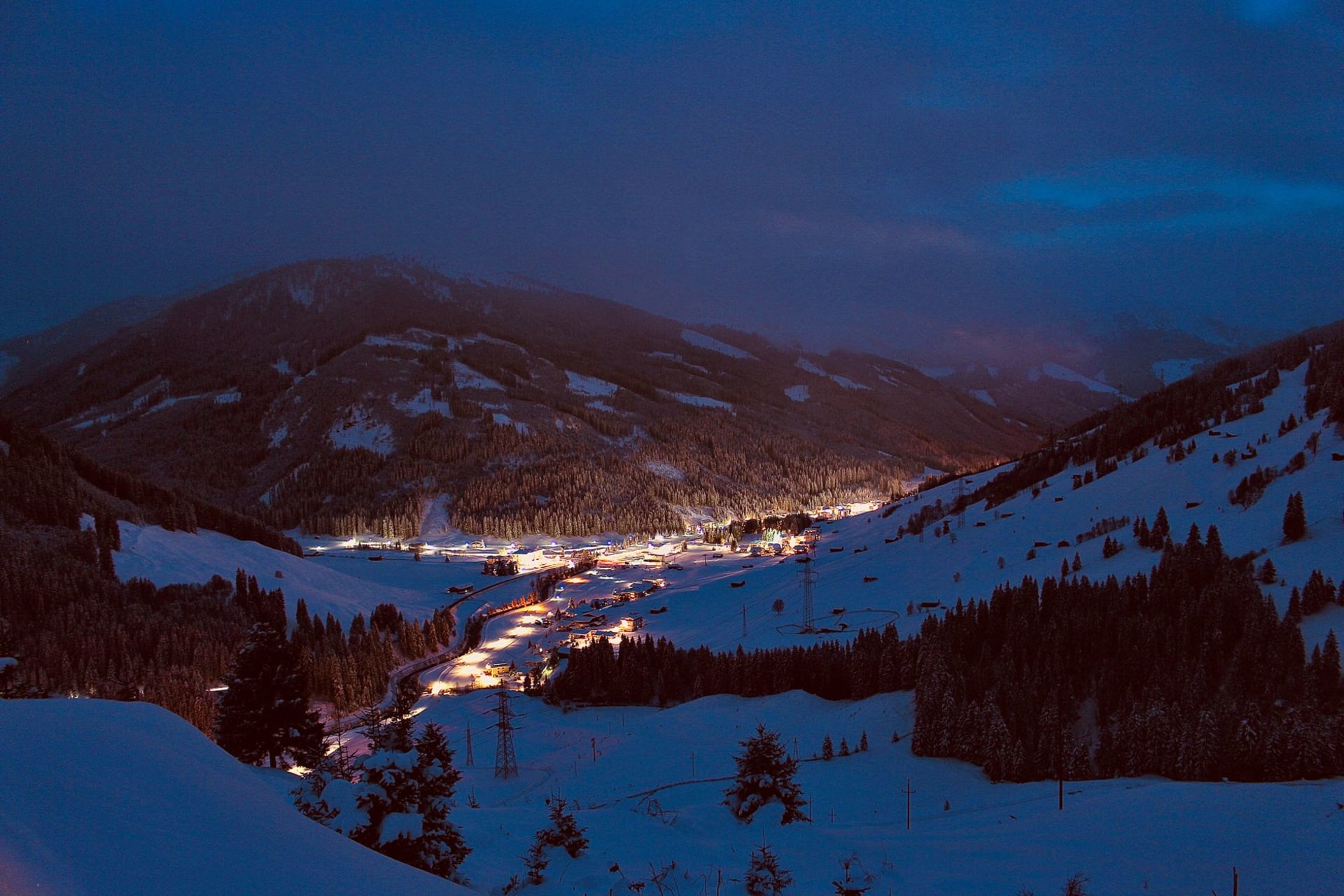
St. Anton am Arlberg
"I came for the mountains and stayed because a man in lederhosen would not let me leave the bar."
I am not, by any honest measure, a good skier. Lia is worse, and proud of it. So why we chose St. Anton am Arlberg — a place that locals discuss in the reverent, slightly frightened tones usually reserved for difficult relatives — I cannot fully explain. Pride, probably. The fact that this is where alpine skiing was more or less invented, when the first ski club in the Alps was founded here in 1901, made it feel like a pilgrimage. We went in winter. We survived. Mostly.
The mountain does not care about you
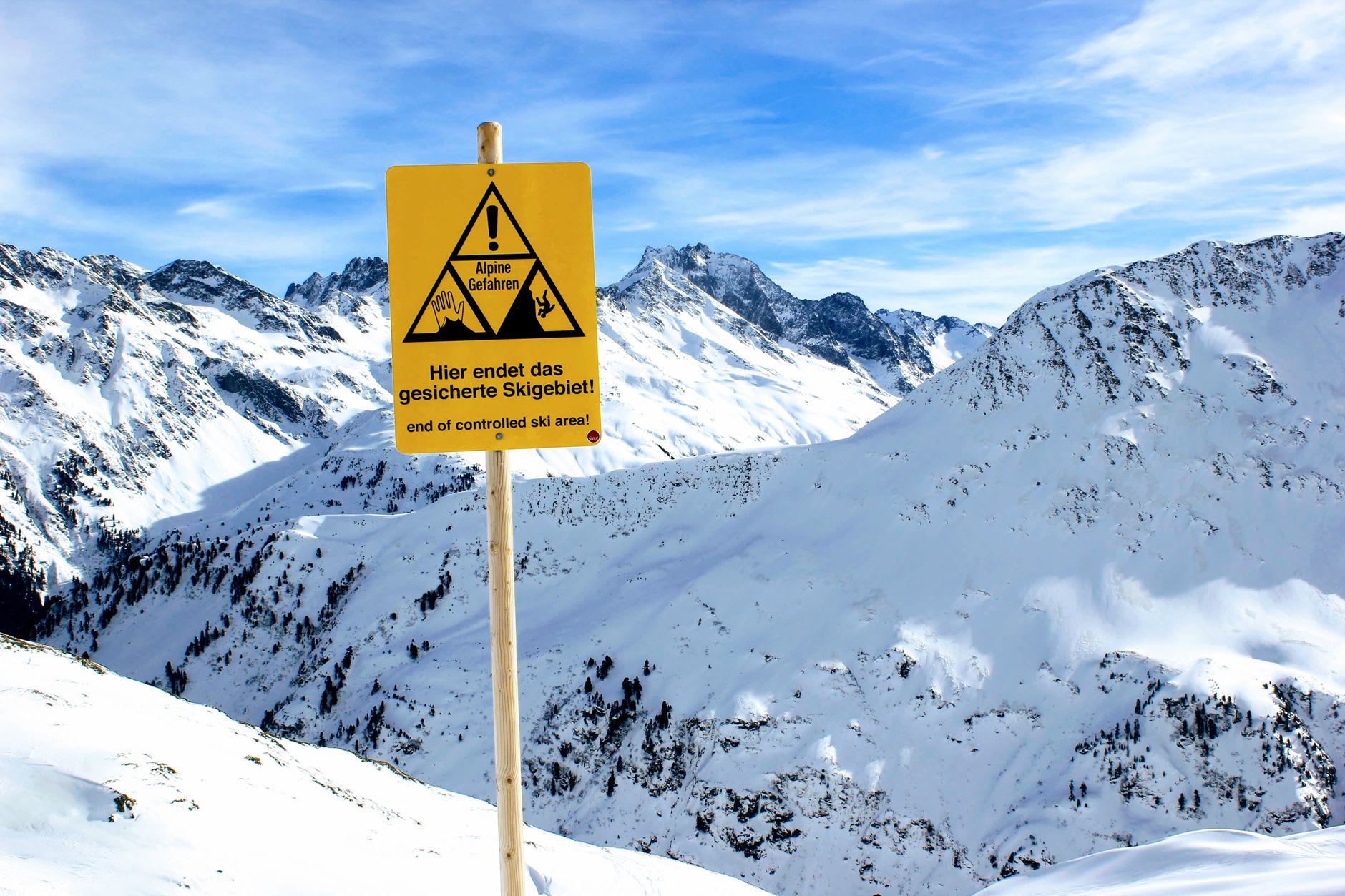
The skiing here is famously serious. St. Anton sits at the heart of the vast Arlberg region, linked by lift to Lech and Zürs, and the off-piste terrain is the stuff of ski-film legend. The Valluga, the high point at over 2,800 metres, offers runs that proper skiers describe with shining eyes and that I avoided entirely, on principle, the principle being self-preservation.
What surprised me was how the town itself rewards the merely competent. We spent a morning on the gentler runs above the village, the snow squeaking under a hard blue sky, the Tyrolean peaks stacked all around like something a tourism board would airbrush and nobody would believe. Lia fell over, laughed, fell over again, and declared it the best day of the trip before lunch. I did not argue.
Après-ski as a competitive sport
Then there is the other reputation. St. Anton’s après-ski is not a pleasant glass of something by a fire. It is an institution, an endurance event, a phenomenon. The Mooserwirt, halfway down the home run, is allegedly one of the most profitable bars in Austria per square metre, and by mid-afternoon it becomes a heaving, singing, ski-booted mass of humanity that you must then somehow ski away from. I watched people attempt the final descent in a state I would not have trusted to operate a kettle. The mountain rescue here must have stories.
We were more restrained, by which I mean we had two beers and a schnapps that a beaming Austrian insisted was “good for the legs.” It was not good for anything except a sudden, fierce affection for everyone in the room. We sang along to a German pop song neither of us knew. Lia recorded me doing it. I have not seen the footage and I intend to keep it that way.
When to go, and a warning
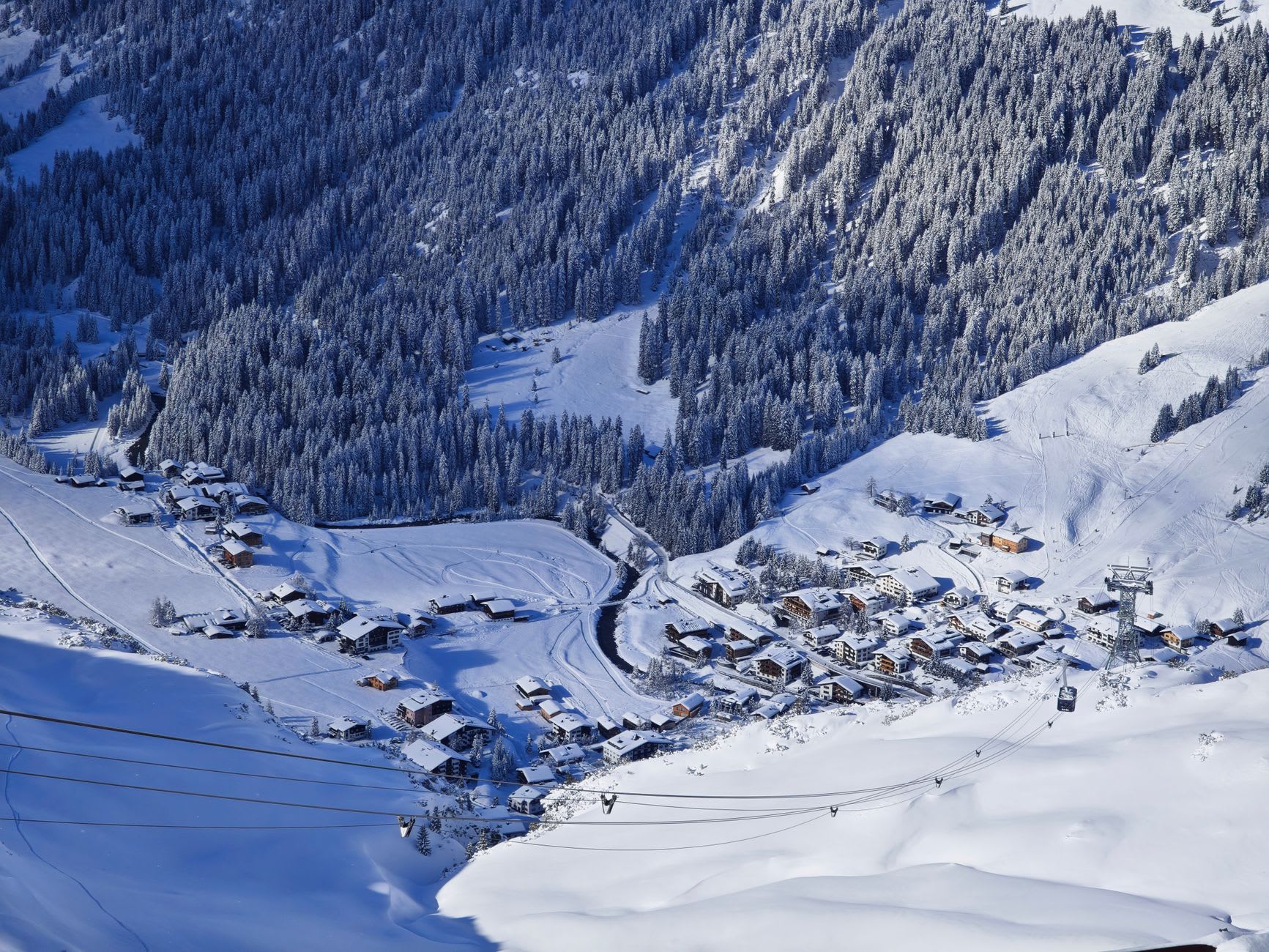
Peak season runs December to April, and the snow record here is genuinely excellent — this is one of the most reliable resorts in the Alps. But it gets busy and it gets expensive, so January weekdays were our sweet spot. Summer is a different, quieter animal entirely: hiking, mountain biking, and a village that finally exhales.
A word of caution. St. Anton will flatter you and then test you. Respect the difficulty rating, hire the lesson you think you don’t need, and remember that the schnapps is a trap dressed as hospitality. We left aching, sunburnt in odd patches, and already plotting how to come back better at the one thing I am demonstrably bad at.