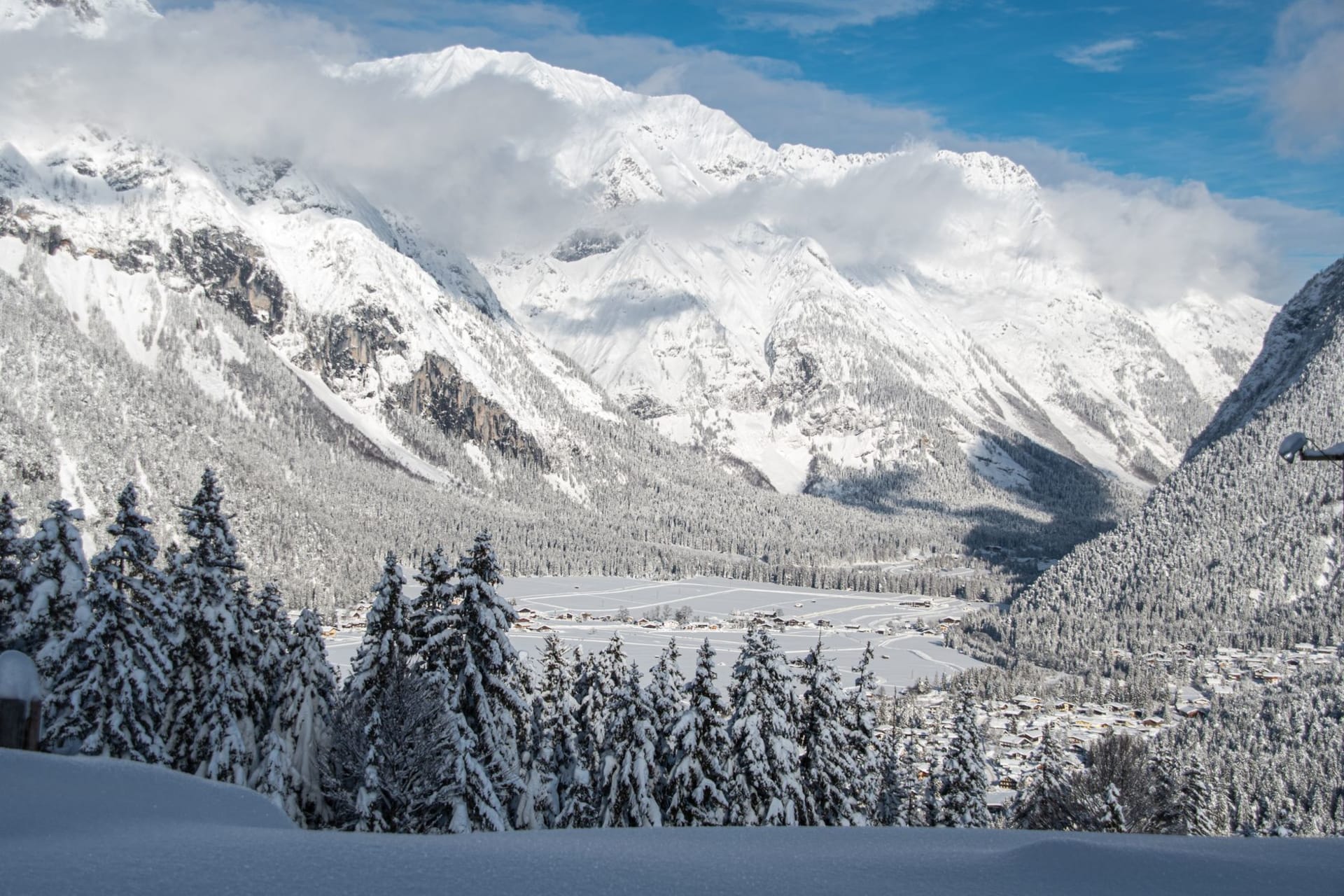
Ötztal Valley
"The valley just kept going south, and the world just kept getting quieter."
The drive south into the Ötztal from the Inn valley begins ordinarily enough — service stations, a supermarket, the kind of transitional nowhere that precedes every great landscape. Then the valley narrows, the road follows the Ötztaler Ache river upstream, and the scale of everything starts to shift. The villages arrive and recede: Sautens, Umhausen, Längenfeld. Each one sits a little deeper, a little more enclosed, the peaks pressing closer on both sides until you feel less like a traveler and more like something the mountains are considering absorbing.
I stopped at a farm stand outside Längenfeld on a late September afternoon when the larch forests on the lower slopes had turned the color of old copper and the road was nearly empty. A woman in an apron was stacking wheels of Ötztal Bergkäse on a wooden shelf — the hard, intensely flavored mountain cheese that comes from cows moved to high pasture through the summer and given time to be properly themselves. I bought a piece without asking the price first, which felt right. She wrapped it in paper and gave me a thin slice to try standing there. It was so sharp it made my eyes water. I ate three more slices before I got back to the car.
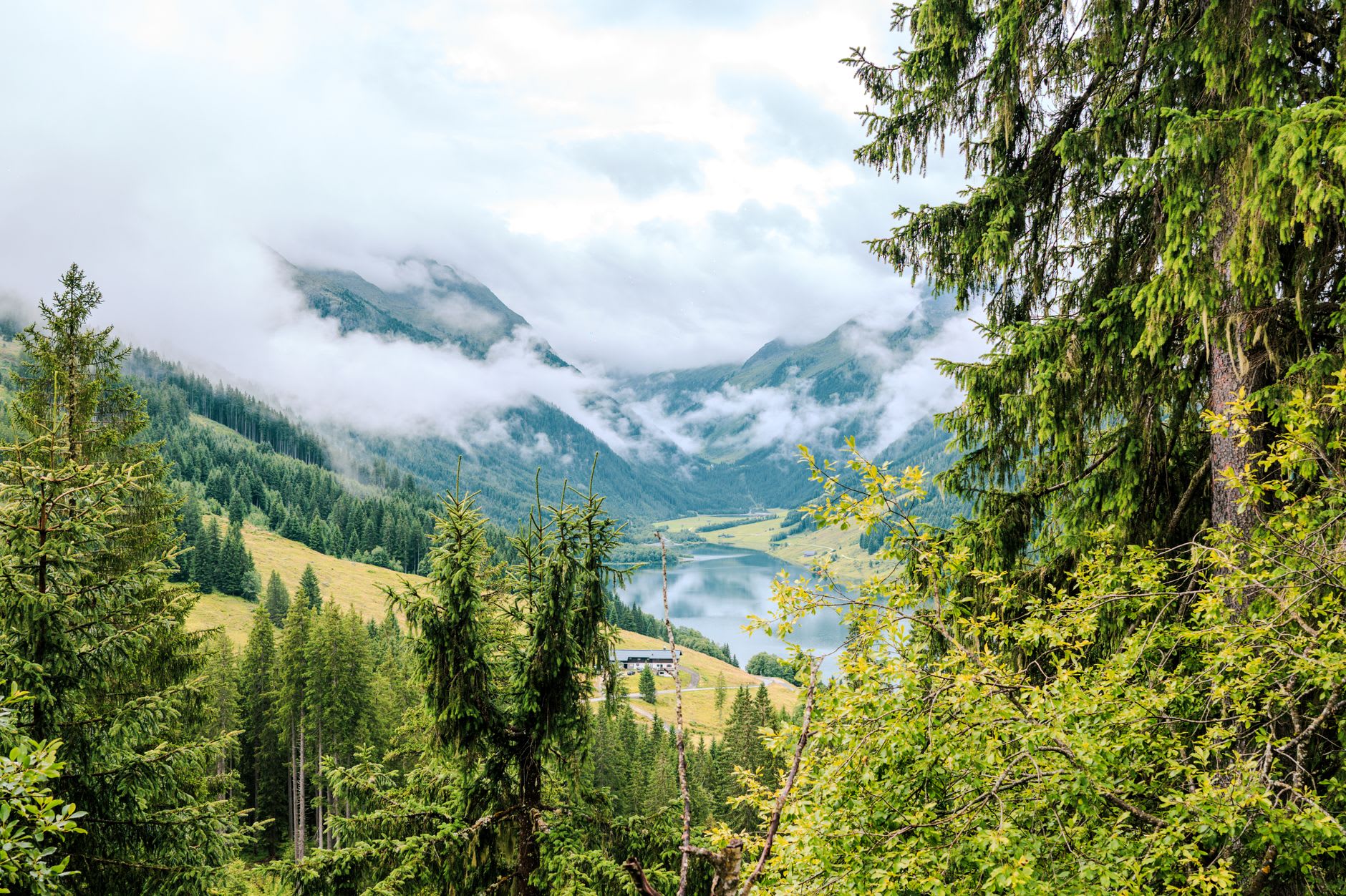
Ötzi haunts this valley the way important dead people haunt certain places — not dramatically, but persistently. The iceman pulled from the Similaun glacier in 1991, his 5,300-year-old body preserved in ice a few kilometers from here, changed how we understand who came before us in these mountains. The Ötztal museum in Längenfeld has good interpretive material if you want context, but the more powerful thing is simply to walk at altitude and understand what Ötzi was doing up here: hunting, crossing, moving through a world that looked very much like this one. The Ötztal Höhenweg, the high-altitude trail above 2,000 meters, offers that walk if you have the time and legs for it. I did a section above Sölden on a morning when the trail was empty and the light was at that particular alpine angle that makes shadows very blue and everything else very bright.
Sölden itself is a ski resort in the way that Las Vegas is a city — technically true, but dominated by a singular commercial logic that shapes every interaction. In summer, without the snow and the lift queues, it reveals something more honest: a working valley village with good food and proximity to some of the best high-altitude walking in Austria. The road continues up from Sölden through Zwieselstein and on to Obergurgl and Hochgurgl, the last inhabited places before the Timmelsjoch pass to Italy. Up here the meadows are still green in July when everything below is already in full summer. The silence above Obergurgl on a weekday afternoon was so complete it started to feel like pressure.

The AquaDome thermal baths in Längenfeld deserve mention not because they are surprising — thermal baths in alpine valleys are an Austrian institution — but because the outdoor pools sit directly under the enclosing peaks and steam in the cold air in a way that is genuinely dreamlike. I went on an October morning when the temperature outside was six degrees and the water was thirty-six. The mountains were directly above me, the water was warm, and I couldn’t think of a single reasonable objection to anything.
When to go: Late June through September for hiking, with the valley floor accessible from May. Late September is the sweet spot — larch color, empty roads, cheese at its best after the summer grazing. Winter brings serious skiers to Sölden and Obergurgl, two of Austria’s most snow-reliable resorts.