Kufstein
"At noon the organ began and the whole town seemed to pause and remember something."
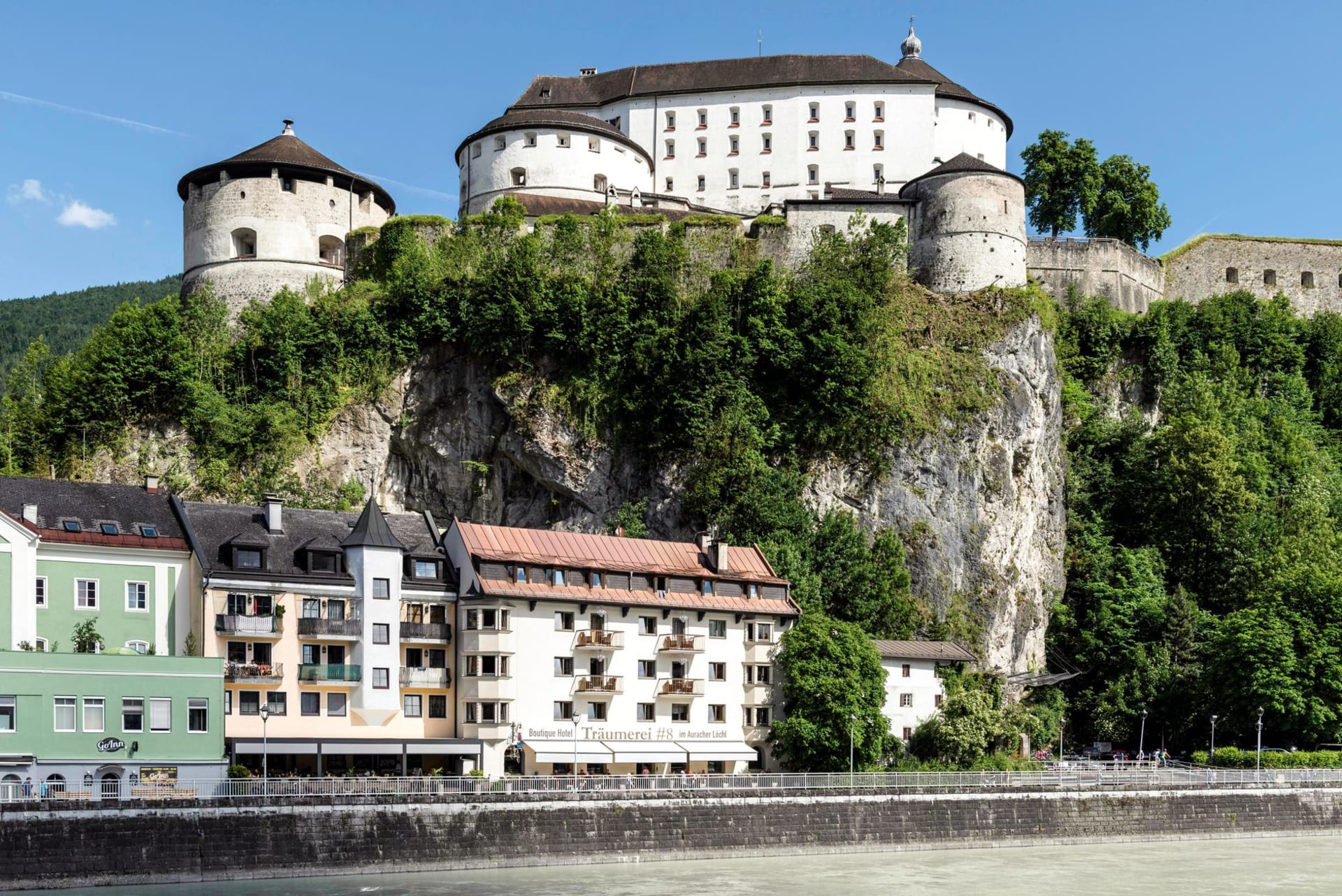
I walked into Kufstein from the Bavarian side, crossing the Inn river on the footbridge from Kiefersfelden with my shoes still damp from the meadow I’d cut through to avoid the main road. The river here is wide and purposeful, running fast between limestone banks, and the Festung Kufstein rises from its cliff above the Austrian bank with the unhurried confidence of something that has been watching this crossing for eight centuries. The fortress doesn’t announce itself the way some medieval strongholds do — there is no dramatic reveal, no bend in the road that suddenly exposes it. It simply dominates the skyline from every angle as you approach, matter-of-fact and overwhelming in equal measure.
The Festung itself is worth the climb and the entry fee. The round Kaiserturm — Emperor’s Tower — dates from 1522 and houses within it one of the most unusual instruments in the world: the Heldenorgel, the Heroes’ Organ, built in 1931 as a memorial to the dead of the First World War. The organ has 4,948 pipes and is played every day at noon from a room inside the tower, the sound broadcast through large openings in the walls and across the entire town below. I was standing in the old market square when it began — I hadn’t known it was coming — and the sound was enormous and strange and moving in a way I wasn’t prepared for. The people around me stopped walking. A man at a café table put down his phone. Nobody explained it or commented on it. It lasted about ten minutes and then the town resumed.

The old town at the foot of the fortress is modest and genuinely lived-in. This is not a tourist town despite the castle above it — Kufstein is a working border town with a brewery, a local hospital, ordinary shops selling ordinary things, and cafés where the regulars are reading newspapers rather than consulting phone screens. I ate lunch at a place on Unterer Stadtplatz where the menu was hand-chalked on a blackboard and the Gulasch came with a Semmelknödel the size of a large fist. The woman who brought it said nothing except the name of the dish as she set it down, which I found appropriately Tyrolean.
The Riedel glass factory has been based in Kufstein since 1756, and the visitor centre gives you more information than you expected to want about the relationship between glass shape and wine perception. I went for the factory tour out of curiosity and came out having bought two glasses I didn’t strictly need and with a genuinely altered understanding of how a Burgundy glass works. The guide was a young Austrian man who talked about glass chemistry with the same intensity a wine producer brings to terroir, and it was infectious.

The stretch of the Inn river path north from town, heading upstream toward the Hechtsee lake, is one of those walks that rewards no particular planning. The path runs between the river and the base of limestone cliffs, past old mill buildings and under hanging gardens. The Hechtsee itself, a small clear lake tucked into the hillside a few kilometers from town, is where Kufstein residents swim in summer — no tourist infrastructure, a few wooden platforms, cold water from underground springs. I swam there on an August afternoon and floated on my back looking up at the cliff face above and thought about the organ and the dead and how some places hold their history more honestly than others.
When to go: April through October for easy walking and the town in its everyday mode. The noon organ concert plays year-round, weather permitting. December brings a small but genuine Christmas market in the old town that doesn’t try too hard.